Internal use
Use only under the guidance of a qualified professional due to the risk of toxicity.

 Zoom
Medicinal & Therapeutic Herbs
Symphytum officinale L.
Also known as: comfrey, knitbone, bone-knit, Greek kolla ton oston.
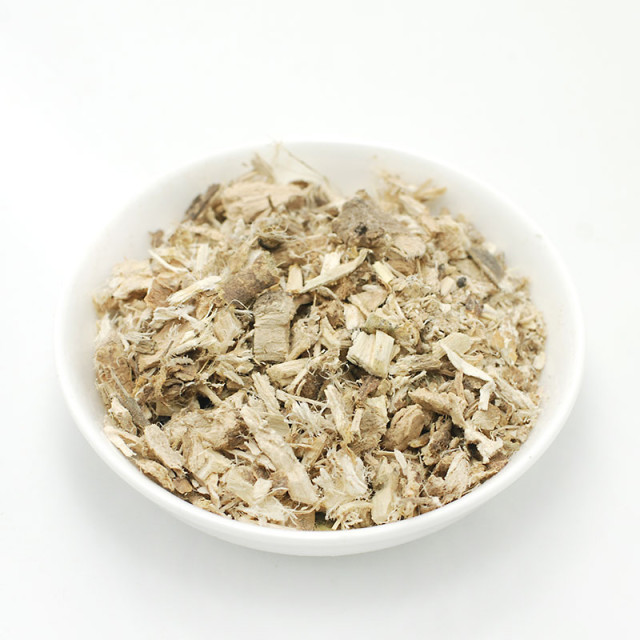
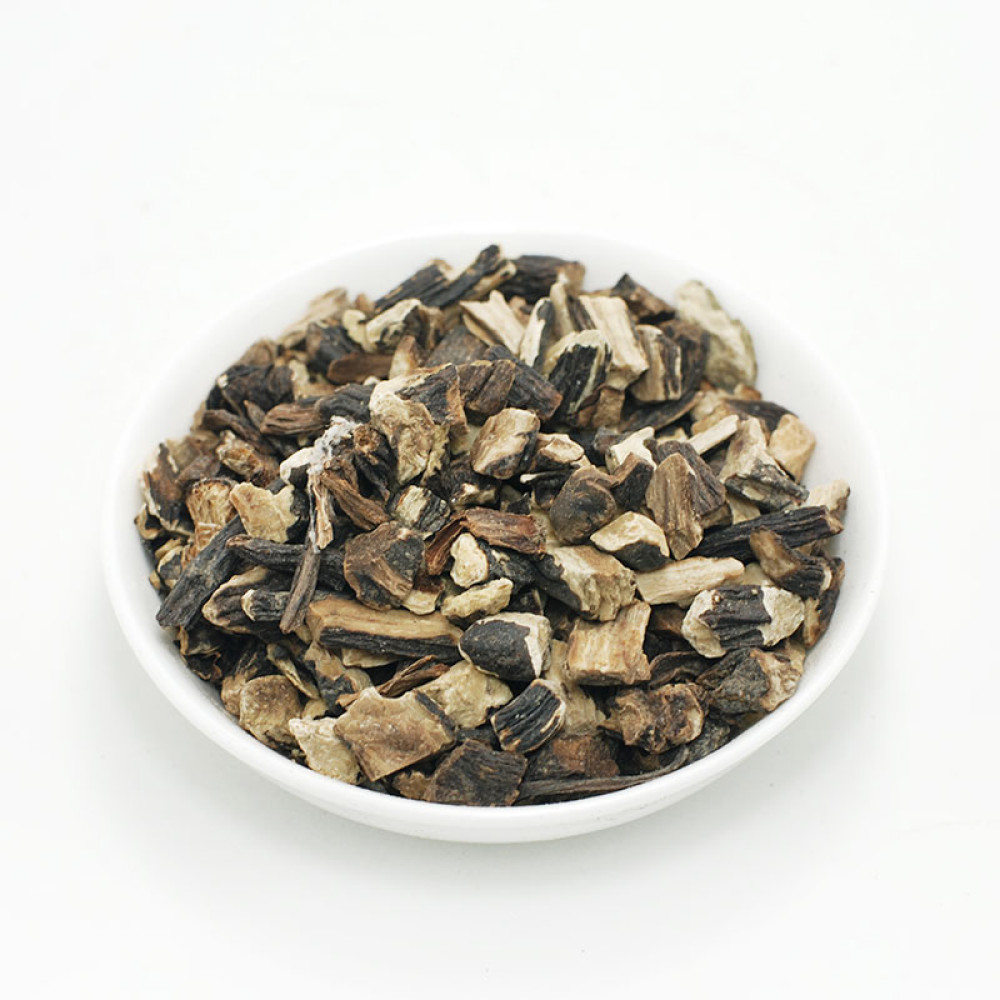
Comfrey root is rich in mucilage and has a deep European tradition in the external care of bruises, sprains and muscular discomfort. Its allantoin and mucilage help explain its long-standing place in poultices and other topical applications.
Send us a message and we reply within one working day. Or call us on (+30) 2610 221354 during shop hours.
Send a message(+30) 2610 221354Comfrey root is rich in mucilage and has a deep European tradition in the external care of bruises, sprains and muscular discomfort. Its allantoin and mucilage help explain its long-standing place in poultices and other topical applications.
The root contains allantoin, mucilage, rosmarinic acid and tannins. This composition underlies comfrey's traditional vulnerary, emollient, astringent and anti-inflammatory properties and its old image as an herb that could “knit” tissues together.
Comfrey was traditionally used in external poultices for bruises, sprains and joint discomfort. Older internal references to ulcers and ulcerative colitis are retained solely as historical pharmacognostic information. Folk practice also records muscular strain, stiffness, fractures and wounds.
Use only under the guidance of a qualified professional due to the risk of toxicity.
Compress decoction: Place 2 teaspoons of dried root in 250 ml water, simmer for 10–15 minutes, leave for 10 minutes and strain. Soak clean gauze and apply over bruises, strains, sprains or a painful joint for 20–30 minutes, 2–3 times daily.
Powder poultice: Mix 2–4 teaspoons of root powder with warm water to form a thick paste. Spread it on gauze and apply for 30–60 minutes, 1–2 times daily.
Duration: up to a total of 4–6 weeks per year.
Quantities are indicative and are based on traditional use and published herbal-medicine literature. For prolonged use or if you take medication, consult a healthcare professional.
In external herbal tradition, comfrey is paired with arnica or calendula, depending on the application.
For external use by adults on intact skin only. Comfrey root contains pyrrolizidine alkaloids, the main reason internal and prolonged use is restricted. Do not swallow or apply to open wounds, irritated skin or infected areas. Avoid during pregnancy and breastfeeding and in children or adolescents. Stop if irritation develops. A suspected fracture or persistent inflammation requires medical assessment.
Use 2 teaspoons of root in 250 ml water, simmer for 10–15 minutes, leave for 10 minutes and apply the well-drained gauze to intact skin.
No. Apply the poultice only to intact skin and do not swallow it.
Total use is limited to 4–6 weeks per year.
Have you tried Comfrey root? Tell us what you think.
3.50€50 g · 3 weights
2.75€50 g · 3 weights
3.10€50 g · 3 weights
3.50€50 g · 3 weights