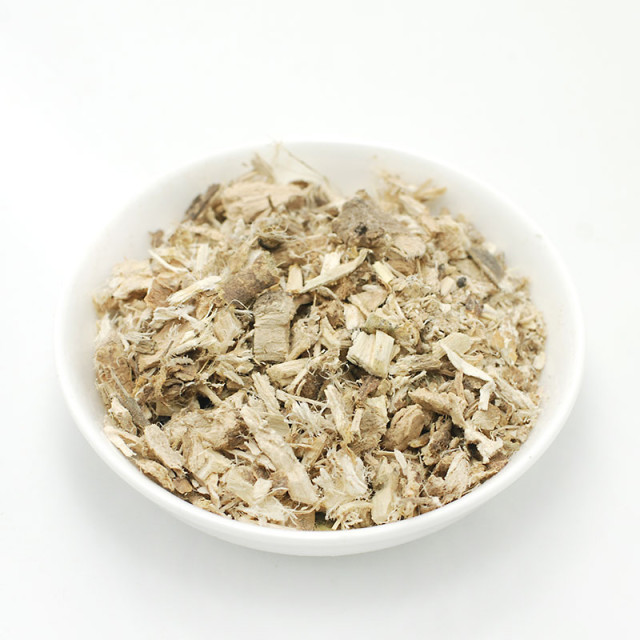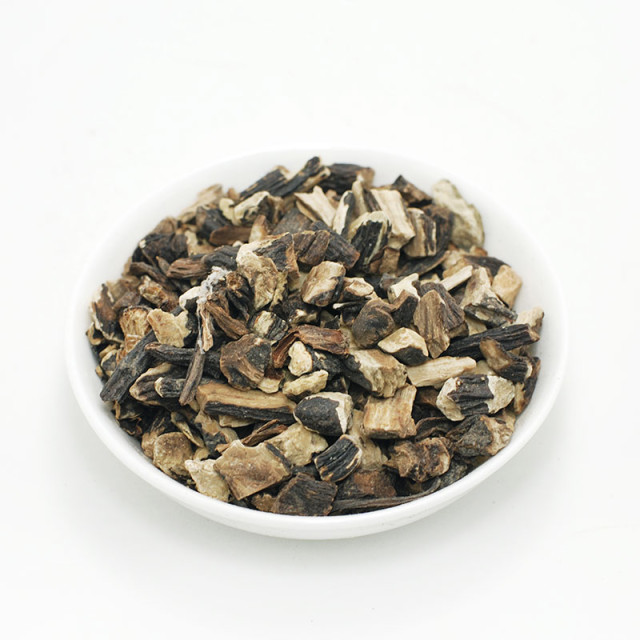
Comfrey root
3.50€50 g · 3 weights

 Zoom
Medicinal & Therapeutic Herbs
Symphytum officinale L.
Also known as: comfrey, common comfrey, knitbone, symphyto, stekouli.
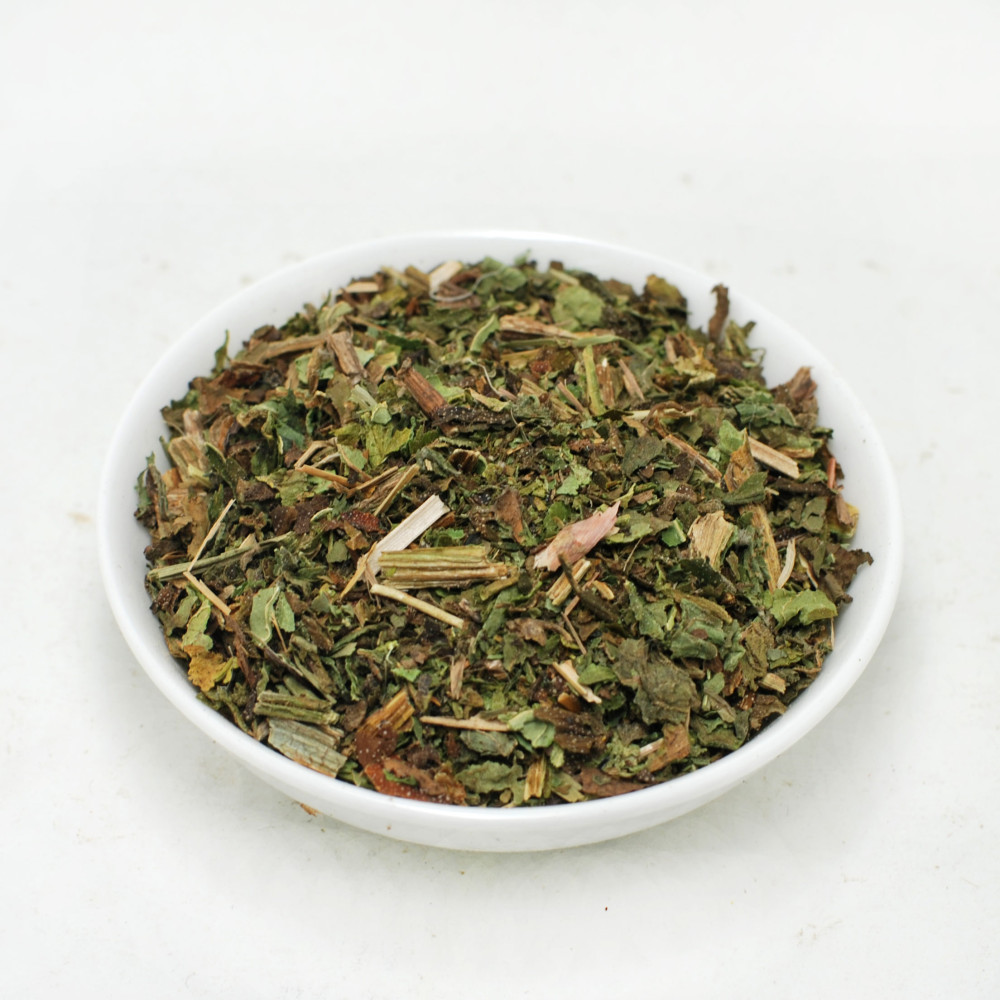
Comfrey leaves come from Symphytum officinale, an herb with a long history in external applications for bruises, sprains and joints. Its name reflects the traditional idea of joining tissue.
Send us a message and we reply within one working day. Or call us on (+30) 2610 221354 during shop hours.
Send a message(+30) 2610 221354Comfrey leaves come from Symphytum officinale, an herb with a long history in external applications for bruises, sprains and joints. Its name reflects the traditional idea of joining tissue.
Allantoin is its signature constituent, accompanied by rosmarinic acid and mucilage. Herbal tradition describes healing, anti-inflammatory and astringent character with interest in cell proliferation. The leaves also contain pyrrolizidine alkaloids, which define the strict precautions and external-use focus.
Comfrey leaves are traditionally applied externally for bruises and sprains, stiff or painful joints and mild muscular injuries. Allantoin underpins interest in superficial tissue renewal.
Contemporary external practice focuses on short applications to intact skin, with careful observation of the area throughout use.
Use only under the guidance of a qualified professional due to the risk of toxicity.
For short-term external use on intact skin only. Do not apply to open, infected or deep wounds because rapid surface closure can trap debris or pus. Avoid during pregnancy, breastfeeding, in children, liver disease and over large skin areas. Older internal uses for peptic ulcers and ulcerative colitis are avoided because of pyrrolizidine alkaloids.
Their main traditional use is external on intact skin for bruises, sprains and stiff joints.
Allantoin is its best-known constituent and is linked with interest in superficial tissue renewal.
The leaves contain pyrrolizidine alkaloids that can seriously burden the liver.
Have you tried Comfrey leaves? Tell us what you think.
3.50€50 g · 3 weights
3.10€50 g · 3 weights
1.50€50 g · 3 weights
3.05€50 g · 3 weights