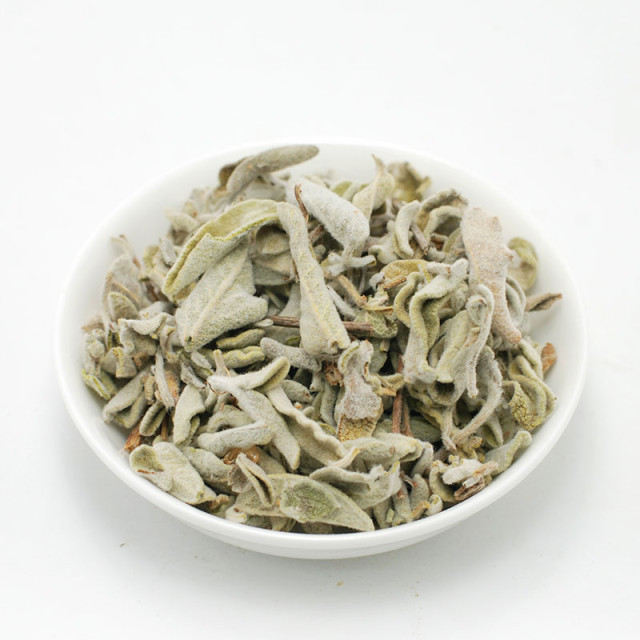
Greek sage leaves
1.64€50 g · 3 weights

 Greek Zoom
Medicinal & Therapeutic Herbs
Rosa × damascena Herrm.
Also known as: Kozani Damask rose petals, Greek edible rose petals, Rosa damascena, edible rose.
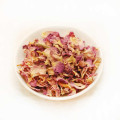
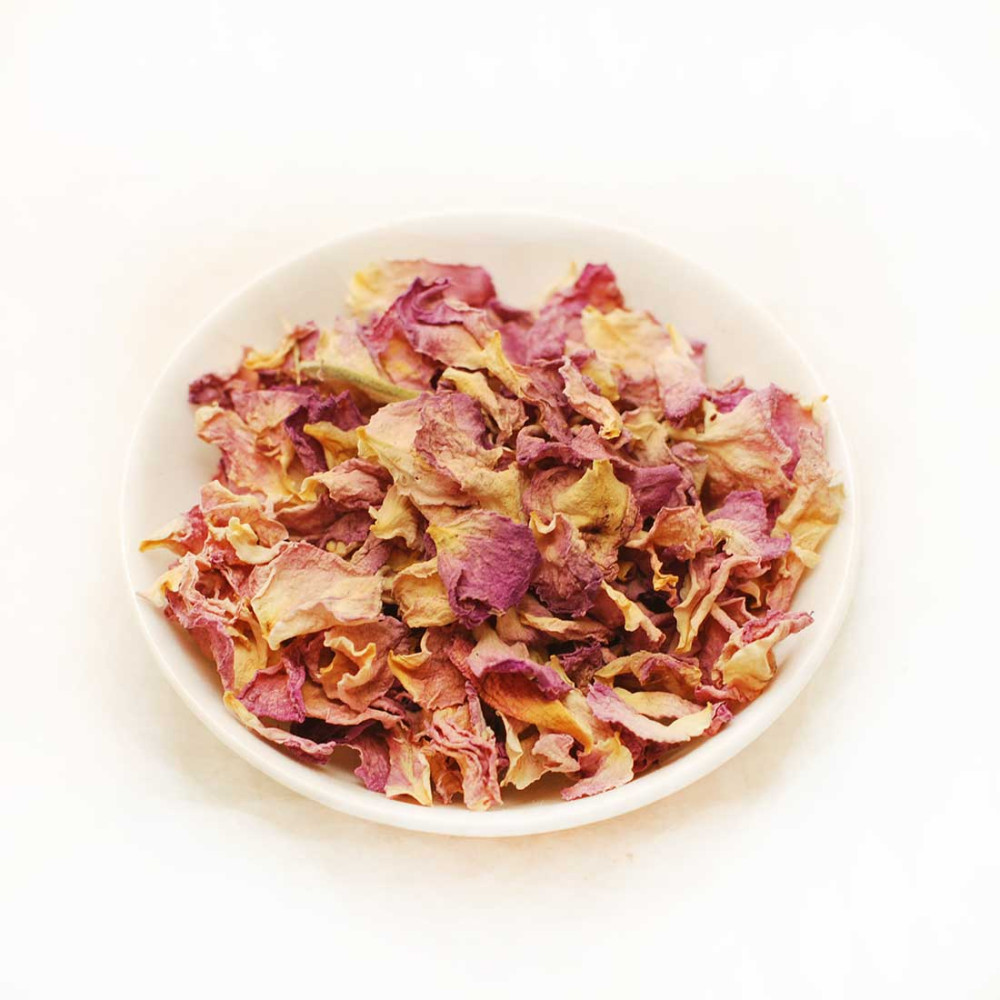
Dried edible rose petals from Kozani, a certified Greek cultivation of Rosa damascena. These are the petals of the same variety used internationally for rose oil and rose water, but with a controlled Greek origin and high aroma retention through pre-dawn harvest and gentle drying.
Send us a message and we reply within one working day. Or call us on (+30) 2610 221354 during shop hours.
Send a message(+30) 2610 221354Dried edible rose petals from Kozani, a certified Greek cultivation of Rosa damascena. These are the petals of the same variety used internationally for rose oil and rose water, but with a controlled Greek origin and high aroma retention through pre-dawn harvest and gentle drying.
Aromatic, mildly astringent, mildly antioxidant from anthocyanins, calming on the gastrointestinal tract. Pharmacological studies on R. damascena have documented antibacterial, antioxidant, antitussive, hypnotic, antidiabetic, anti-HIV and relaxing effects. Traditionally the rose is associated with abdominal and chest pain, strengthening the heart, menstrual bleeding, digestive complaints and constipation.
For daily culinary and ritual use: rose tea for relaxation and a calm evening, mild gastric discomfort, a fresh breath sensation; edible pastry work, flavoured salad leaves, syrups for hot or cold drinks; home cosmetics (facial infusions, foot baths, homemade rose water).
Whole petals as tea, or blended with chamomile and lemon balm as an evening infusion. In spoon sweets, compotes, jams, sweet dumpling fillings. Rose water for Greek pastries (diples) and other Mediterranean sweets. In chickpeas, lentils and biryani for Asian recipes.
1 tablespoon of petals in 250 ml boiling water, infuse for 5–7 minutes and strain. Drink 30–60 minutes before bed. Takes honey well.
40 g of petals in 500 ml of distilled water. Simmer covered for 15 minutes, cool, strain and store in a sterilised jar in the fridge for up to 2 weeks. Ideal for Greek pastries and as a facial tonic.
1 teaspoon of petals per 200 g of rice, at the end of cooking, along with a little saffron. Flavours basmati for biryani and pilaf.
Foot bath with warm water, 2 tablespoons of petals and 1 tablespoon of coarse salt — aromatic relaxation.
Edible Greek cultivation, without pesticides per supplier declaration. Avoid in confirmed Rosaceae allergy. In pregnancy and breastfeeding, daily consumption as tea is considered safe within culinary levels; avoid concentrated rose essential oils. Store in a sealed glass jar, away from light and moisture.
It means cultivated to food-grade practice: without pesticides per supplier declaration, with harvest and processing that meet culinary use standards. They can go straight into drinks, sweets and cooking with no further cleaning.
40 g of petals in 500 ml of distilled water, covered in a pot on low heat for 15 minutes. Let it cool, strain and store in a sterilised jar in the fridge for up to 2 weeks.
They have a certified Greek origin (Kozani), with an emphasis on transparency of cultivation and food-grade quality for daily culinary use. Our imported (Pakistan) rose petals have a stronger "Rose of Isfahan" aroma and are recommended mainly for decoration, potpourri and aromatising.
Have you tried Edible rose petals from Kozani 30 g? Tell us what you think.
1.64€50 g · 3 weights
1.25€50 g · 3 weights
2.35€50 g · 3 weights
1.90€50 g · 3 weights