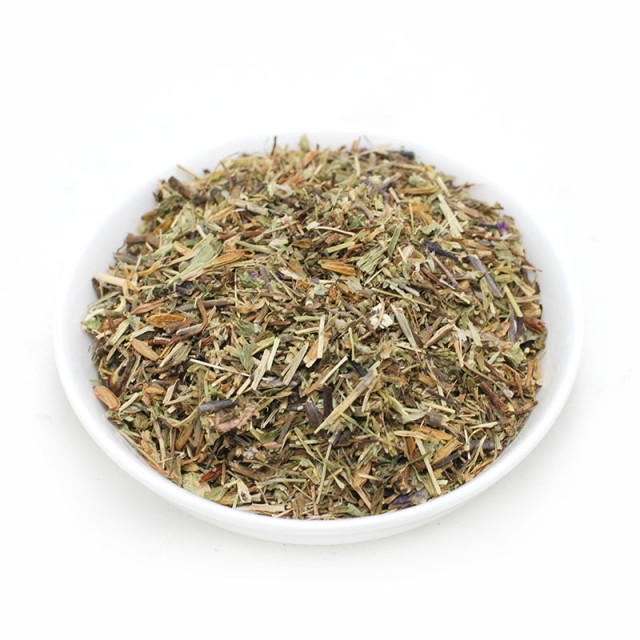
Eyebright herb
5.50€50 g · 3 weights

 Zoom
Medicinal & Therapeutic Herbs
Sambucus nigra L.
Also known as: Elderberry, elder, black elder, Sambucus nigra, zampoukos.
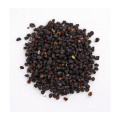
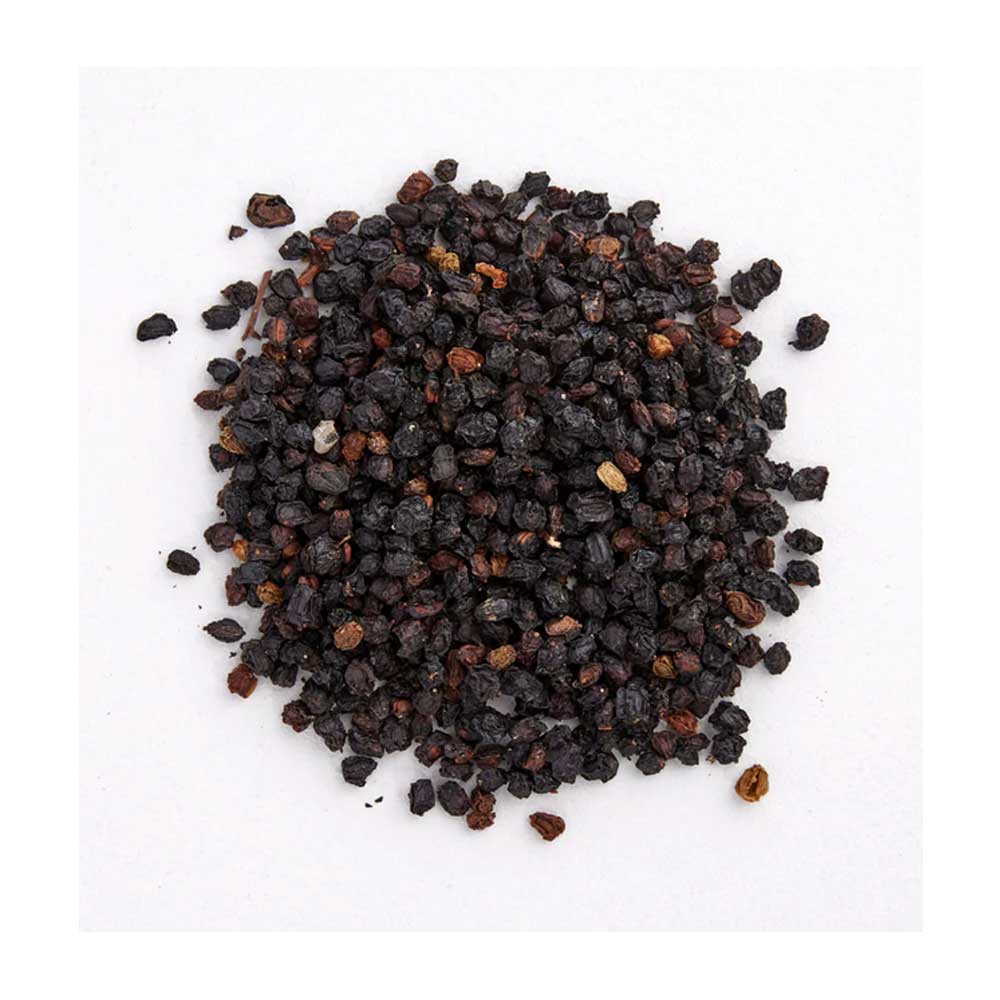
Elderberry is the small dark purple fruit of the elder tree, dried. It is one of the most classic winter herbs: it concerns those seeking immune support and relief from the symptoms of colds and flu. The berries are used to make infusions, syrups and extracts.
Send us a message and we reply within one working day. Or call us on (+30) 2610 221354 during shop hours.
Send a message(+30) 2610 221354Elderberry is the small dark purple fruit of the elder tree, dried. It is one of the most classic winter herbs: it concerns those seeking immune support and relief from the symptoms of colds and flu. The berries are used to make infusions, syrups and extracts.
The berries are characterised as antiviral, antioxidant, diaphoretic, anti-inflammatory and expectorant, with additional diuretic and anticatarrhal action. They are rich in antioxidants, vitamins and minerals, characteristically the anthocyanins — the pigments that give the deep purple colour and protect cells from oxidative stress.
In traditional and modern use the berries are associated with strengthening natural defences against viral infections and with reducing the severity and duration of symptoms such as fever, cough and congestion. Some research also describes cardiovascular interest, supporting healthy blood pressure levels thanks to the antioxidant and anti-inflammatory properties.
The berries are associated with colds and flu, with feverish colds and fever, with allergic rhinitis, catarrh and sinusitis, with herpes and candida, and with cardiovascular health.
The decoction is drunk hot at the onset of a cold. Dried berries are also the base for homemade syrup, made with honey after simmering and straining, and for tinctures and extracts. The taste is sweet-sour and pairs with cinnamon, clove and lemon.
Decoction: 1 tablespoon of dried berries in 1 cup of water, simmered for about 15 minutes. Strain and drink. Simmering is mandatory — a simple infusion is not enough.
Quantities are indicative, based on traditional use and published herbal literature. For prolonged use or if you are on medication, consult a health professional.
The berries are not consumed fresh or raw because of toxicity. They contain cyanogenic glycosides and lectins that cause nausea, vomiting and diarrhoea; heat treatment deactivates them. That is why dried berries are always simmered before consumption. The leaves, bark and unripe green berries are not used at all.
Because of the immunostimulant action, anyone with an autoimmune condition or taking immunosuppressants should consume only on specialist advice. The same applies if surgery is planned within the next two weeks. In pregnancy and breastfeeding, for lack of sufficient data, it is avoided. Possible mild diuretic action: caution alongside diuretic medication. Persistent fever or breathlessness needs medical assessment.
Because they contain cyanogenic glycosides and lectins that cause nausea and vomiting. Heat deactivates them, so a simple infusion is not enough.
One tablespoon of dried berries in a cup of water, simmered for about fifteen minutes, then strained.
Anyone with an autoimmune condition or taking immunosuppressants, and anyone due to have surgery within the next two weeks.
Have you tried Elderberry fruits? Tell us what you think.
5.50€50 g · 3 weights
1.25€50 g · 3 weights
1.50€50 g · 3 weights
2.77€50 g · 3 weights