Do it YourselfNutritionSuperfoods
Gelatin Powder, the Natural Collagen
Gelatin powder, the natural collagen
Why so many people make it part of their day
Gelatin is a form of hydrolysed collagen: collagen that has been partly broken down. Collagen is the most abundant protein in the body and a key building block of connective tissue, making up roughly a quarter to a third of all the protein we carry. Gelatin and collagen share the same amino acids, so they offer much the same, but they are used a little differently, and many people find gelatin easier on the stomach.

Gelatin as a valuable food supplement
Gelatin is one of the simplest, most useful natural products you can keep in the kitchen. It is best known among people who look after their joints and mobility, but that is only the start.
Here are the main reasons people reach for it:
Joints, osteoporosis and osteoarthritis
Joints are the number one reason people choose gelatin. Gelatin and collagen have been the subject of studies on joint discomfort, mobility and wear over time, including in osteoarthritis and osteoporosis, and they are a favourite in routines that support supple tendons and ligaments.
Strong bones
Gelatin supplies the amino acids of collagen, the protein that forms the framework of our bones. It is also a protein-rich food, and protein contributes to the maintenance of normal bones.
Gut health and digestion
Like collagen, gelatin has a long tradition of use for the lining of the digestive tract, and researchers have looked at it in relation to gut permeability, often called "leaky gut".
Better sleep
A spoonful before bed? Some studies have given around three grams of gelatin in the evening to people with restless or unsatisfying sleep.
Mood and mental clarity
Gelatin is naturally rich in glycine, an amino acid that acts as a calming, "inhibitory" neurotransmitter, which is why it comes up so often in conversations about relaxation and mood.
Skin, hair and nails
Collagen is a primary building block of the skin and part of what gives us a youthful, healthy look. That is why gelatin is so popular in beauty-from-within routines for skin, as well as for strong, healthy-looking hair and nails.
Heart health
Researchers are also interested in how the amino acids in gelatin balance others we get from meat, such as methionine.

Over the years, many of our customers with aching joints, back, legs or neck have told us they noticed a real difference after just a week of gelatin. Collagen and gelatin supplements have also been studied for joint comfort, mobility and joint wear, and collagen for rheumatoid arthritis, an autoimmune condition with painful, swollen joints.
The "magic recipe"
Our customers call it the "magic recipe": a simple jelly, made the night before and eaten first thing in the morning, which many of them say has made a real difference to how their lower back, joints and legs feel.
For a one-month course you will need 150 g of edible gelatin.
Method
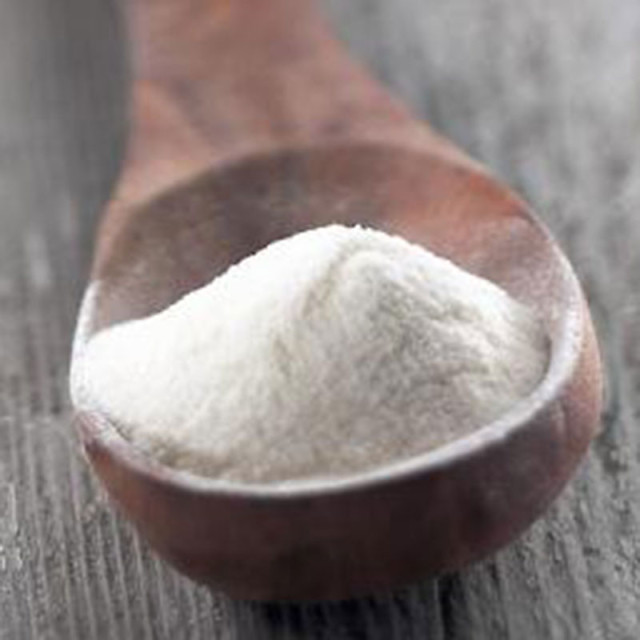
- Sprinkle 5 g (2 level teaspoons) of gelatin powder over 70 ml of cold water or a juice of your choice (1/3 of a cup). Fruit juice makes the jelly tasty and pleasant, and an orange juice adds vitamin C, which contributes to normal collagen formation for the normal function of cartilage, bones and skin. Any juice works except pineapple: it contains an enzyme that stops the jelly from setting.
- Leave the gelatin for 10 minutes to absorb the liquid and swell.
- Slowly add 140 ml (the remaining 2/3 of the cup) of hot water, stirring all the time with a wooden spoon, until the powder has completely dissolved. Leave it in the fridge overnight and it will set into a jelly.
- In the morning, eat the jelly on an empty stomach, or add it to juice or stir it into yoghurt. A little honey or a natural sweetener makes it even nicer.

Make a week's servings at once, keep them in small bowls in the fridge and take one out each morning. A full course lasts one month; repeat after 6 months. It is a time-honoured way to keep the joints "well oiled".
Do we really need to add gelatin to our diet?
For many of us, it is well worth considering. Our grandparents ate far more gelatin than we do, because almost every part of the animal went into the pot.
Today we eat very little gelatin (or other animal compounds such as collagen), because many edible parts of animals are thrown away. It is not chicken breast or fillet steak that provides gelatin; it is the "gelatinous" parts we rarely eat any more, such as skin, bone marrow and tendons.
Our bodies can make some of these amino acids, but we may need more as we get older, or when digestion is weaker or the joints need extra support.
The gelatin in our shop
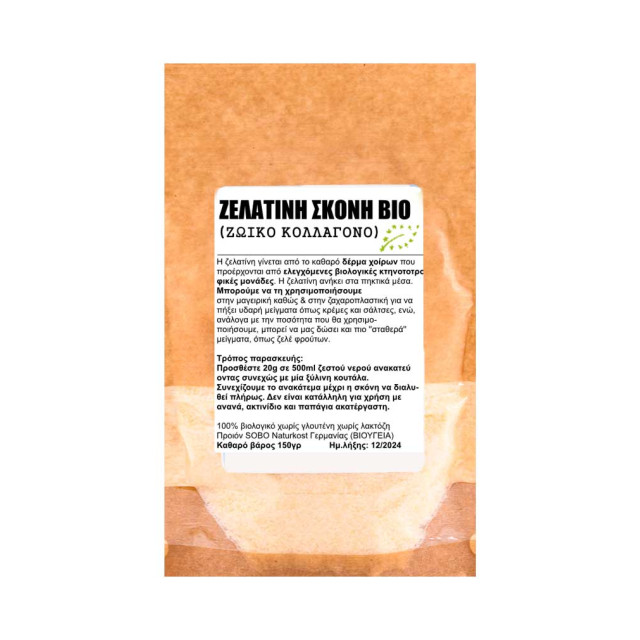
The gelatin in our shop is made from clean pork skin from controlled organic farms in Germany.
100% organic · Certification DE-ÖKO-013 · Made by SOBO Naturkost, Germany
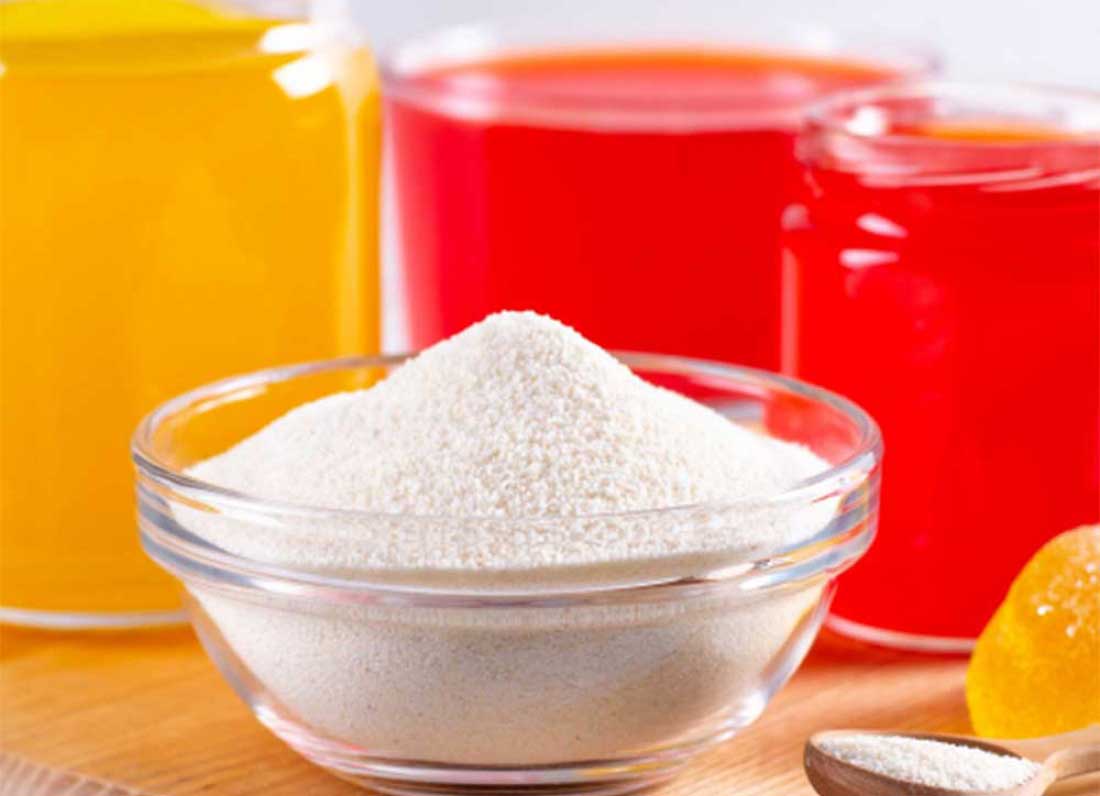
Pure, unflavoured and easy to use, it is ready for your morning jelly, your smoothies or your home cooking. Start your one-month course today.
Please note: The health information on our website is for information purposes only and is not medical advice. For any medical matter concerning your health, please speak to your own doctor.