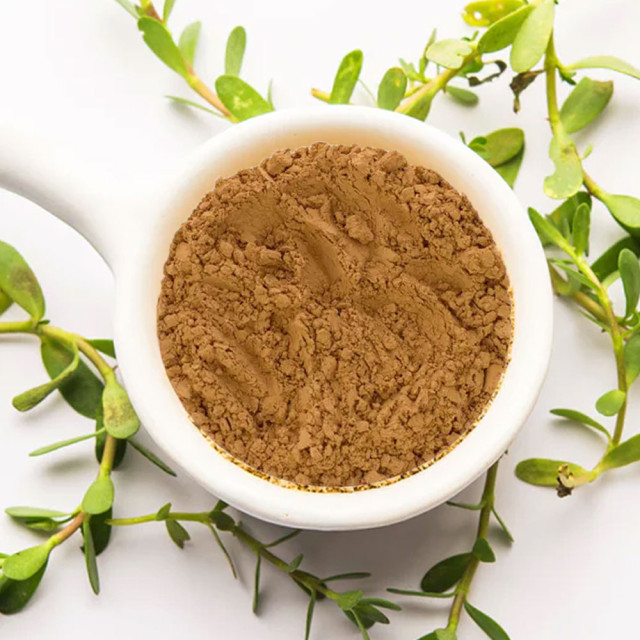
Powder
Half a teaspoon dissolved in water, juice or a smoothie, 2–3 times daily.

 Zoom
Medicinal & Therapeutic Herbs
Ginkgo biloba L.
Also known as: Ginkgo biloba, ginkgo, maidenhair tree, gingko, tzinko biloba.
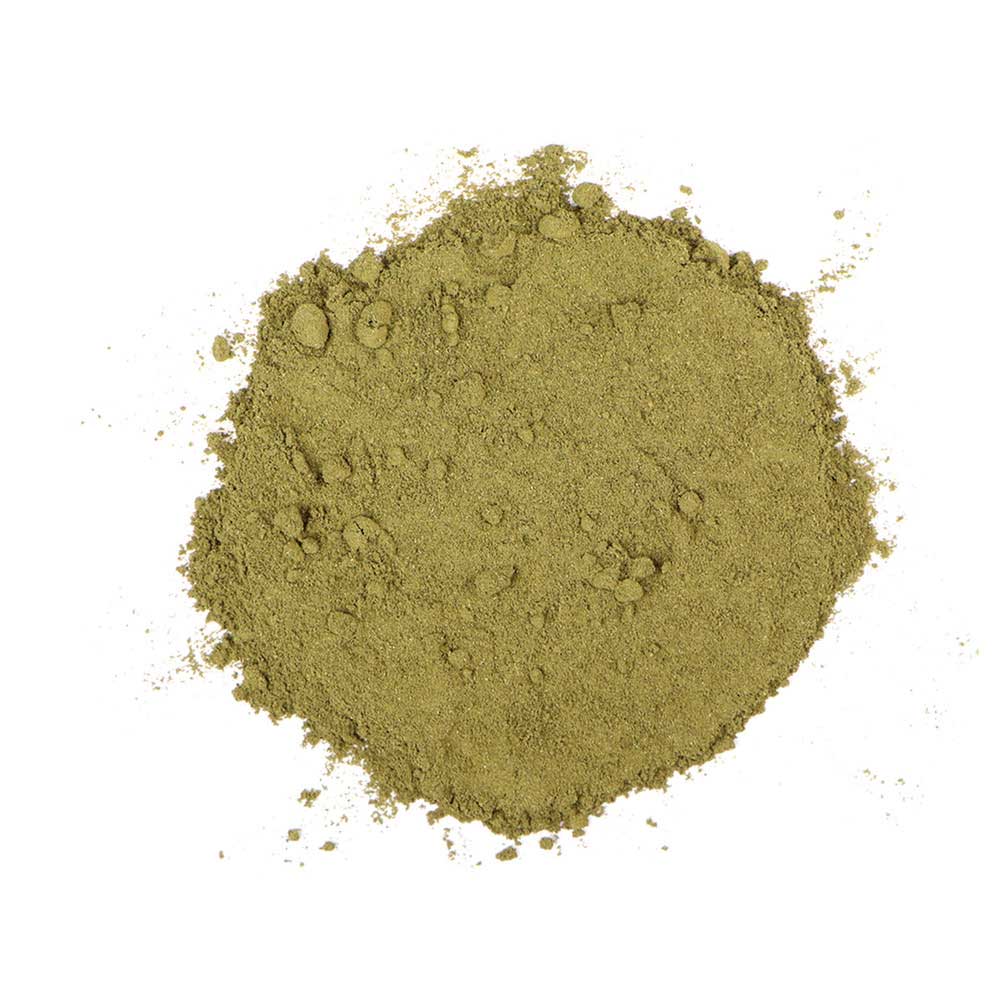
Ginkgo biloba is the leaf of a tree native to China, offered as a powder. The species has been cultivated there for thousands of years. It appeals mainly to those seeking support for memory and brain function, and for blood circulation, particularly in the extremities.
Send us a message and we reply within one working day. Or call us on (+30) 2610 221354 during shop hours.
Send a message(+30) 2610 221354Ginkgo biloba is the leaf of a tree native to China, offered as a powder. The species has been cultivated there for thousands of years. It appeals mainly to those seeking support for memory and brain function, and for blood circulation, particularly in the extremities.
The leaves are characterised as a circulatory stimulant and tonic, antioxidant, anti-inflammatory, antispasmodic, antiasthmatic and antiallergic. This character rests on high levels of flavonoids and terpenoids, characteristically the ginkgolides and bilobalide.
Increased blood flow is attributed to dilation of the blood vessels. In traditional Chinese medicine the seeds were used to open energy "channels" in the kidneys, liver, brain and lungs. The standardised leaf extract EGb 761 has been repeatedly evaluated in randomised trials for mild cognitive impairment, dementia, coronary flow and psychiatric disorders; those results concern the extract and do not transfer directly to leaf powder.
The herb is associated with memory and age-related dementia, with Alzheimer's disease and cognitive decline in ageing, with glaucoma, high blood pressure and arteriosclerosis, with depression in older adults, cholesterol, varicose veins, erectile dysfunction, vertigo and vitiligo. Uses are also recorded for headaches and migraine, for asthma and chronic obstructive pulmonary disease, for anxiety and for premenstrual syndrome.
The powder is dissolved in liquid and appreciated in wellness routines focused on mental performance, peripheral circulation and antioxidant status. The leaf infusion is also used externally, as a wash for varicose ulcers. Research on vision and eye health is limited, with early results described as promising.
Half a teaspoon dissolved in water, juice or a smoothie, 2–3 times daily.
One teaspoon in a cup of boiling water for 10–15 minutes, 2–3 times daily. The same infusion is used externally as a wash for varicose ulcers.
Take a one-week break after every 15 days of continuous use. These quantities concern leaf powder and infusion; they are not derived from the doses of the standardised extract, which has a different concentration of actives.
Quantities are indicative, based on traditional use and published herbal literature. For prolonged use or if you are on medication, consult a health professional.
Ginkgo reduces platelet aggregation. It is not combined with antithrombotic or antiplatelet medication and is stopped at least two weeks before surgery or dental procedures. Contraindicated in pregnancy because of bleeding risk at delivery, and in breastfeeding, where safety data are absent. Not taken during fever. Contraindicated in epilepsy and with antiepileptic medication, as seizures have been reported. Caution with concurrent antidepressants. Possible adverse effects: headache, dizziness, gastrointestinal upset, skin reactions. Dementia, glaucoma and cardiovascular disease require medical diagnosis and follow-up.
Half a teaspoon dissolved in water, juice or a smoothie, two to three times a day. The leaves can also be infused, one teaspoon per cup for 10–15 minutes.
Yes. The leaf infusion is traditionally used as a wash for varicose ulcers, alongside internal use.
No. After every fifteen days of continuous use, a one-week break follows.
Have you tried Ginkgo biloba leaf powder 100 g? Tell us what you think.