Zoom
Medicinal & Therapeutic Herbs
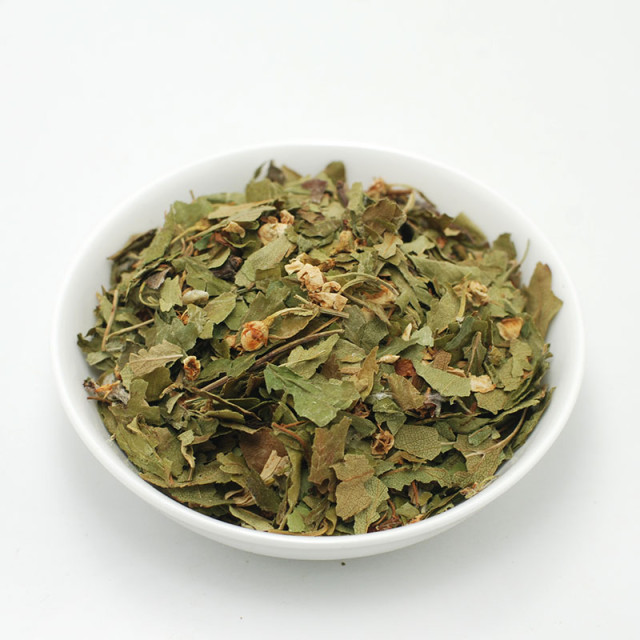
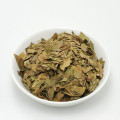
Ginkgo biloba leaves
Ginkgo biloba L.
Also known as: ginkgo, maidenhair tree, gingko, tzingo.
Ginkgo leaves come from one of the oldest living tree species. Their botanical and pharmacognostic interest centres on traditions of circulation and memory, together with their antioxidant character.
Shipping options
- EU countries: DHL from €18 · free over €200 (first 2 kg, by volumetric weight)
- Cyprus: ACS, BOX NOW or DHL · free with ACS or BOX NOW over €99
- Greece: ACS or ELTA to your door from €4.00 · ACS or BOX NOW lockers from €2.40 · free over €49 (first 3 kg)
- Usually dispatched within 1–2 business days
Payment methods
- Card, Google Pay, Apple Pay, with no extra charge
- Cash on delivery (Cyprus and Greece): ACS +€2.50 · ELTA +€3.50
- IRIS or bank transfer (Greece only)
Send us a message and we reply within one working day. Or call us on (+30) 2610 221354 during shop hours.
Send a message(+30) 2610 221354What it is
Ginkgo leaves come from one of the oldest living tree species. Their botanical and pharmacognostic interest centres on traditions of circulation and memory, together with their antioxidant character.
Main properties
The leaves contain flavone glycosides, terpene lactones and organic acids. Literature links them with antioxidant, anti-inflammatory, vasoactive and antispasmodic activity, as well as antiallergic and traditionally antiasthmatic use.
Uses
Traditional use and modern research have examined ginkgo in areas including:
- memory and cognition
- peripheral circulation
- vertigo
- mood
- vision
- selected respiratory or vascular symptoms
findings remain inconsistent and depend on the conditions of each study. Wider literature also records cold extremities, chilblains, varicose veins, arteriosclerosis, blood pressure, cholesterol, headache, migraine, glaucoma, vitiligo, anxiety, depression, asthma, COPD, allergies, premenstrual tension, sexual dysfunction, low libido, oedema, water retention, cellulite, lymphatic flow, hypotension and Parkinson’s disease.
Preparation & dosage
For a traditional infusion, use a total of 3–4 g of leaves daily in 2–3 doses. For each dose, add 1–2 g of leaves to 150 ml boiling water, cover for 10 minutes and strain. Limit use to up to 6 weeks.
Quantities are indicative and are based on traditional use and published herbal-medicine literature. For prolonged use or if you take medication, consult a healthcare professional.
Combinations with other herbs
Professional circulation formulas may pair ginkgo with hawthorn or butcher’s broom. Combinations with other herbs that affect clotting require a healthcare review.
Precautions
Ginkgo leaf may increase bleeding risk. Medical advice is required with anticoagulants or antiplatelet medicines, before surgery, and with epilepsy or antiepileptic treatment. Avoid during pregnancy and breastfeeding and under 18 years. Do not apply a homemade preparation to the eyes or varicose ulcers. New neurological symptoms, bleeding or sudden visual loss are emergencies.
Frequently asked questions
Why does ginkgo have a distinctive botanical history?
It is the sole living species of an ancient evolutionary lineage, and its fan-shaped leaves symbolise resilience and longevity.
How is the traditional infusion prepared?
Use 1–2 g of leaves in 150 ml boiling water for 10 minutes, within a total daily range of 3–4 g.
Who needs particular caution?
People using anticoagulants or antiplatelet drugs, those with epilepsy, anyone awaiting surgery and pregnant people should avoid it without medical advice.
Reviews
Have you tried Ginkgo biloba leaves? Tell us what you think.