 BIO Zoom
Medicinal & Therapeutic Herbs
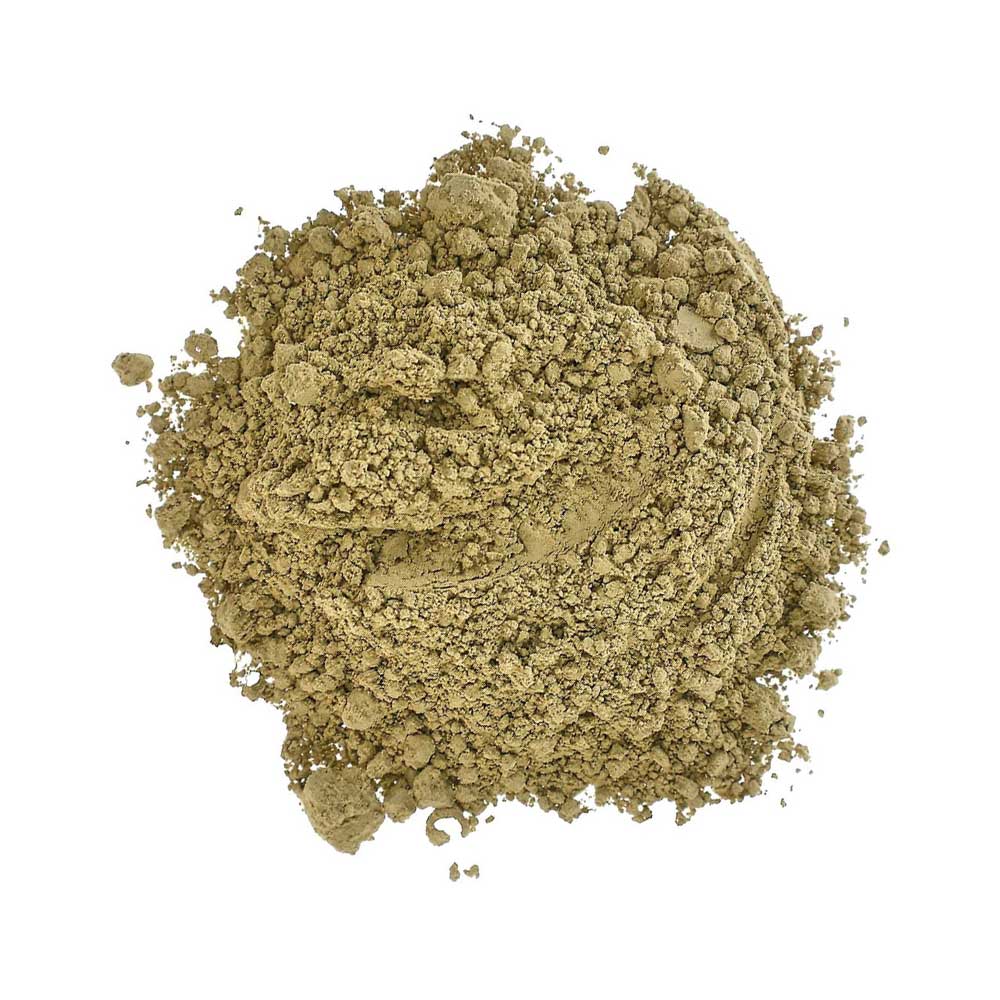
Kelp seaweed powder, organic 100 g
chiefly Ascophyllum nodosum, Laminaria spp., Fucus spp.
Also known as: Kelp, brown seaweed, sea vegetable, kelp powder.
Kelp are brown marine seaweeds that grow in shallow, nutrient-rich salt water along coastal fronts worldwide. This powder is from certified organic cultivation and appeals mainly to those seeking a natural source of iodine for thyroid function, along with metabolic support.
Shipping options
- EU countries: DHL from €18 · free over €200 (first 2 kg, by volumetric weight)
- Cyprus: ACS, BOX NOW or DHL · free with ACS or BOX NOW over €99
- Greece: ACS or ELTA to your door from €4.00 · ACS or BOX NOW lockers from €2.40 · free over €49 (first 3 kg)
- Usually dispatched within 1–2 business days
Payment methods
- Card, Google Pay, Apple Pay, with no extra charge
- Cash on delivery (Cyprus and Greece): ACS +€2.50 · ELTA +€3.50
- IRIS or bank transfer (Greece only)
Send us a message and we reply within one working day. Or call us on (+30) 2610 221354 during shop hours.
Send a message(+30) 2610 221354What it is
Kelp are brown marine seaweeds that grow in shallow, nutrient-rich salt water along coastal fronts worldwide. This powder is from certified organic cultivation and appeals mainly to those seeking a natural source of iodine for thyroid function, along with metabolic support.
Key properties
Seaweeds are characterised as nutrient dense, antioxidant, anti-inflammatory and metabolically tonic. They are considered an excellent source of micronutrients and dietary fibre, a good source of vitamins and a marginal source of protein. Because the human body cannot digest their carbohydrates, they are essentially calorie-free.
A single serving supplies vitamin K1 at 55% of the recommended daily intake, folate 45%, magnesium 29%, iron 16%, vitamin A 13%, pantothenic acid 13% and calcium 13%. Vitamin K and calcium are linked to bone health, folate to cell division. They also contain carotenoids and flavonoids.
Two constituents stand out. Fucoxanthin has been associated with reduced fat tissue, while fucoidan has been studied for prevention of blood clots and protection of cells from ischaemic damage, that is, damage caused by inadequate blood flow, as well as for anti-inflammatory action and improved cholesterol. There is also research interest in tumour cell lines; the data remain preclinical.
Uses
Who it is for
Kelp is associated with hypothyroidism and iodine deficiency, with weight management, with diabetes and glycaemic control, with bone loss and osteoporosis, with constipation and digestion, with hair loss, with nail and blood vessel health, and with gastrointestinal ulcers. Iodine deficiency is linked to disrupted metabolism and enlargement of the thyroid gland.
How it is commonly used
The powder is dissolved in juice or a smoothie and is appreciated in wellness routines focused on iodine adequacy, energy and brain function. A study in type II diabetes patients recorded improved blood sugar levels and increased antioxidant enzyme activity.
Preparation and dosage
1–2 teaspoons of powder daily, diluted in juice or a smoothie, or as directed by a doctor or practitioner. Because of the high iodine content, the amount is not increased at will.
Quantities are indicative, based on traditional use and published herbal literature. For prolonged use or if you are on medication, consult a health professional.
Precautions
The iodine content of seaweed is very high — some varieties reach 2,984 micrograms, many times an adult's daily requirement of roughly 150 micrograms. Excessive intake can cause hyperthyroidism, thyroiditis or, paradoxically, hypothyroidism, and has been linked to certain thyroid cancers. Anyone with thyroid disease or nodules, or taking thyroxine or antithyroid medication, must consult a doctor before any use and monitor their levels.
The high vitamin K content is contraindicated with anticoagulant therapy, as it affects how those medicines work. Marine seaweeds accumulate heavy metals, particularly arsenic and cadmium: tested material should be chosen. Safety in pregnancy and breastfeeding is unknown, so it is avoided — excess iodine affects the foetal thyroid. Blood sugar monitoring is needed alongside antidiabetic medication.
Frequently asked questions
How much kelp powder is taken per day?
One to two teaspoons, diluted in juice or a smoothie. The amount is not increased at will, because the iodine in seaweed is very concentrated.
Who should ask a doctor before using it?
Anyone with thyroid disease or nodules, anyone taking thyroxine or antithyroid medication, anyone on anticoagulants because of the vitamin K, and anyone managing blood sugar with medication.
Why does the origin of the seaweed matter?
Because marine seaweeds accumulate heavy metals from the water, particularly arsenic and cadmium. Organic certification and heavy metal testing are the decisive selection criteria.
Reviews
Have you tried Kelp seaweed powder? Tell us what you think.