Free shipping in Greece over €49 (first 3 kg)

Shipping to the EU · free over €200 (first 2 kg)

Medicinal & Therapeutic Herbs

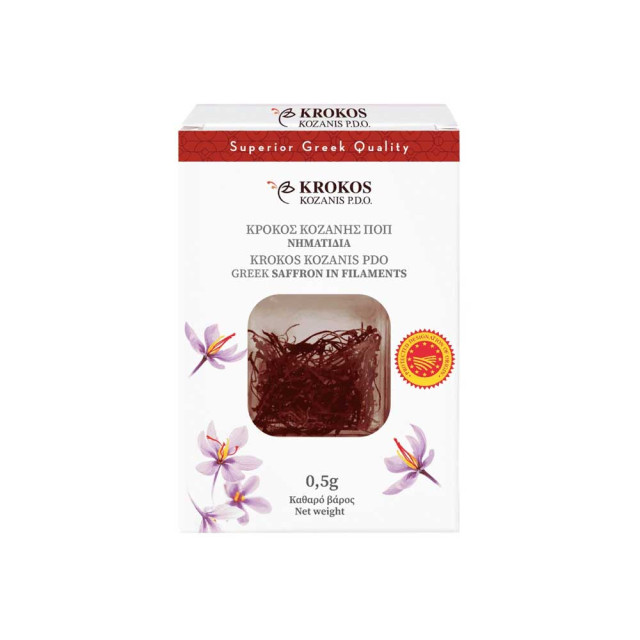
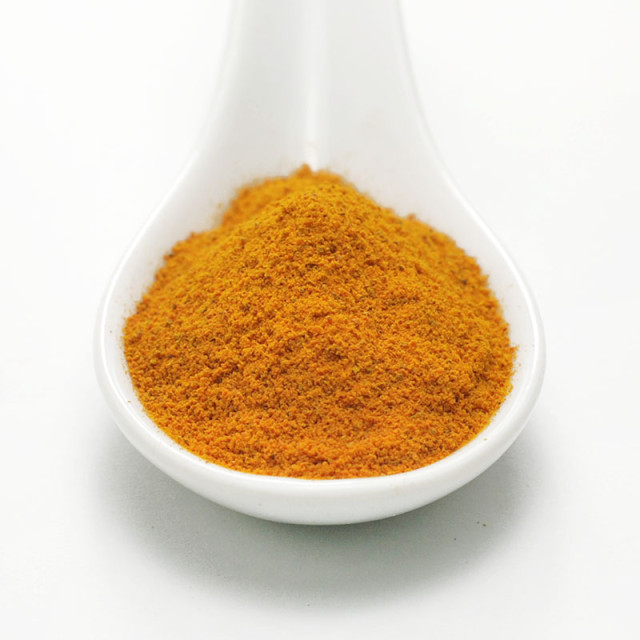
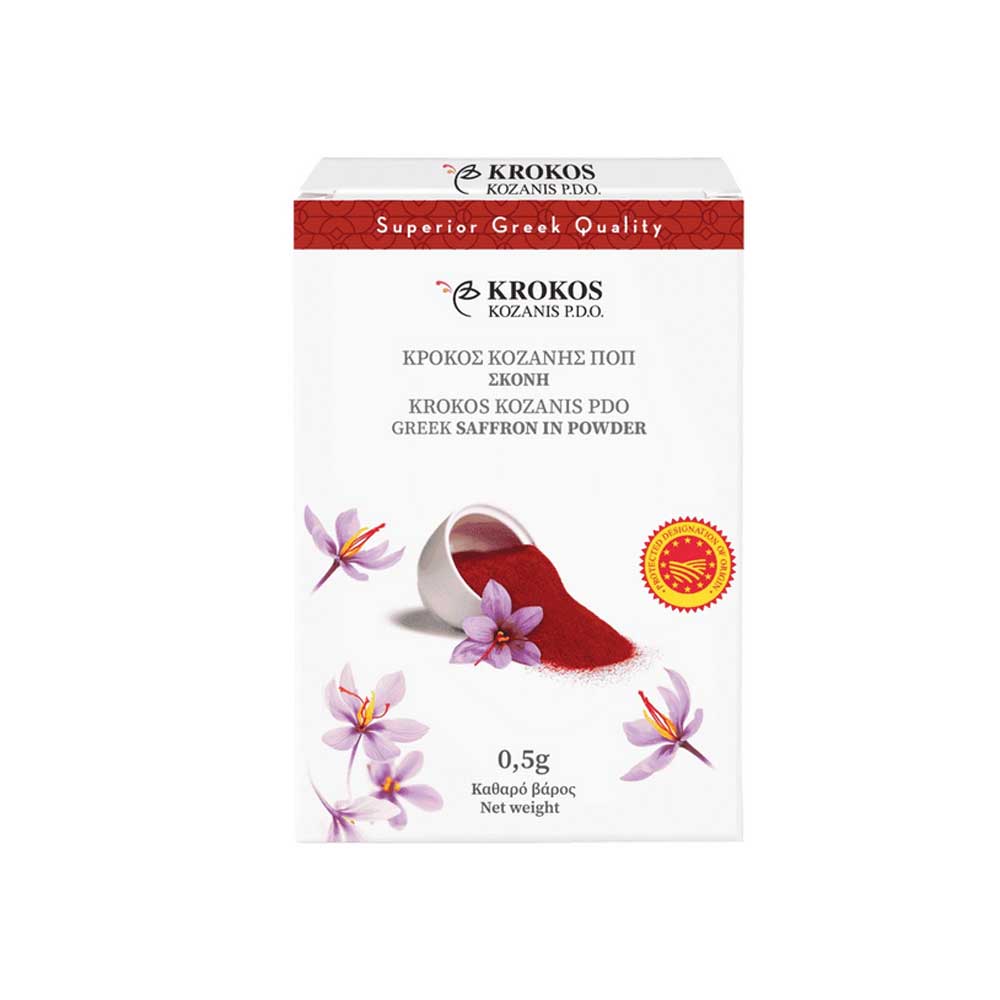
Kozani saffron powder 0.5 g

Also known as: saffron, Kozani crocus, saffron spice, krokos Kozanis, zafora, sofrana, safrani.

Kozani saffron is the powdered red stigmas of Crocus sativus, a valuable Greek Protected Designation of Origin spice. Many flowers and labour-intensive hand harvesting are needed for a small amount, explaining its high value.

See the full description ↓

Write the first review Code: SUP-0142B
4.80€ Price includes VAT

In stockShips by courier in 1–2 working days

Shipping options

  • EU countries: DHL from €18 · free over €200 (first 2 kg, by volumetric weight)
  • Cyprus: ACS, BOX NOW or DHL · free with ACS or BOX NOW over €99
  • Greece: ACS or ELTA to your door from €4.00 · ACS or BOX NOW lockers from €2.40 · free over €49 (first 3 kg)
  • Usually dispatched within 1–2 business days

Everything about shipping and delivery →

Payment methods

  • Card, Google Pay, Apple Pay, with no extra charge
  • Cash on delivery (Cyprus and Greece): ACS +€2.50 · ELTA +€3.50
  • IRIS or bank transfer (Greece only)

Everything about payment methods →

Have a question about Kozani saffron powder 0.5 g?

Send us a message and we reply within one working day. Or call us on (+30) 2610 221354 during shop hours.

Send a message(+30) 2610 221354

What it is

Kozani saffron is the powdered red stigmas of Crocus sativus, a valuable Greek Protected Designation of Origin spice. Many flowers and labour-intensive hand harvesting are needed for a small amount, explaining its high value. Saffron is aromatic, colouring, digestive and antioxidant, and is traditionally associated with mood, libido and memory.

Crocin and crocetin provide the intense colour, picrocrocin the taste and safranal the characteristic aroma.

Key properties

Aromatic and colouring. A minute amount gives dishes and drinks a golden-yellow colour and distinctive fragrance.

Antioxidant and anti-inflammatory. Crocin, crocetin, safranal and kaempferol have been studied in relation to free radicals, oxidative stress and inflammatory mechanisms.

Mildly euphoric and mood-supportive. Saffron is traditionally known as the “herb of joy”, while research examines mood, mild anxiety and depressive symptoms.

Aphrodisiac and tonic. Traditional use and small clinical studies concern libido and sexual function.

Digestive, antispasmodic and emmenagogue. Tradition includes digestion, stomach discomfort, menstrual pain and headache, while uterine activity explains strict pregnancy caution.

Uses

A daily dose of 30 mg in two divided 15 mg doses has been investigated as effective for the treatment of mild-to-moderate depression, premenstrual syndrome, erectile dysfunction and libido in women.

  • Culinary use. Colours and flavours rice, seafood, soups, pasta, doughs, desserts, sweets and drinks. A very small pinch is sufficient.
  • Mood, mild anxiety and depression. Saffron has been called the “sunshine spice”. Meta-analyses and clinical trials of measured preparations have examined mild-to-moderate depressive symptoms, anxiety and wellbeing.
  • Libido and sexual function. Aphrodisiac properties, erectile function and antidepressant-related sexual adverse effects have been examined in men and women.
  • Vision and macular degeneration. Clinical studies have examined saffron in age-related macular degeneration. Crocin and crocetin are studied for photoreceptors, oxidative damage and cellular oxygen availability.
  • Memory and Alzheimer’s disease. Antioxidant and neuroprotective mechanisms have been examined in cognitive function and Alzheimer’s disease.
  • Premenstrual syndrome and menstrual pain. Clinical trials have studied physical, emotional and psychological symptoms before menstruation.
  • Appetite and weight. Some studies have examined satiety, snacking, dietary intake and body composition.
  • Heart, arteries and cholesterol. Animal and cell studies examine antioxidant mechanisms, lipids and vascular function.
  • Blood sugar and insulin. Preclinical studies have examined glucose reduction and increased insulin sensitivity.
  • Research on anticancer and antiproliferative mechanisms remains mainly at laboratory and preclinical level.
  • Traditional references also include headache, oral discomfort, asthma, epilepsy, stomach problems and general toning. Historical use is not a clinical indication for the culinary powder.

Preparation & dosage

Culinary use and infusion

Use a small pinch of powder, approximately equivalent to 2–3 stigmas, and steep it in a little lukewarm water or milk for 10–15 minutes before adding it to food. The same small amount may be infused in hot water as a traditional drink.

Traditional alcoholic preparation

Place one small pinch of saffron in 100 g of pure alcohol in a closed glass container for 14 days. The recorded traditional use is 10–20 drops on the tongue. This is for adults only, requires accurate measuring and is not combined with driving, pregnancy or medicines that interact with alcohol.

Amounts are indicative and are based on traditional use and published herbal literature. For prolonged use or when taking medication, consult a healthcare professional.

Precautions

Large saffron amounts are toxic and may cause nausea, vomiting, dizziness, drowsiness, intense euphoria, rapid heartbeat, bleeding, low blood pressure and uterine stimulation. The 10 g lethal-dose reference and Dioscorides’ historical report of marked euphoria with 5 g underline that the pack is not a single or daily serving.

During pregnancy use only the usual minute culinary quantity and avoid tinctures or concentrated intake. Seek advice with anticoagulants, antiplatelets, antihypertensives, antidiabetic or psychiatric medicines, bipolar disorder, breastfeeding and before surgery.

Frequently asked questions

How is Kozani saffron powder used?

For culinary use, steep a small pinch, approximately equivalent to 2–3 stigmas, in a little lukewarm water or milk for 10–15 minutes.

Which foods pair well with Kozani saffron?

It pairs well with rice, soups, sauces, fish, breads and desserts, adding aroma, colour and its characteristic flavour.

Why is saffron associated with mood?

Crocin, crocetin and safranal have been studied in relation to mood, stress and emotional wellbeing.

Indicative bibliography:
  • Vitamin E, Turmeric and Saffron in Treatment of Alzheimer's Disease
  • Saffron (Crocus sativus L.) in Ocular Diseases: A Narrative Review of the Existing Evidence from Clinical Studies
  • Short-term Outcomes of Saffron Supplementation in Patients with Age-related Macular Degeneration:
  • A longitudinal follow-up study of saffron supplementation in early age-related macular degeneration: sustained benefits to central retinal function
  • The effects of Crocus sativus (saffron) and its constituents on the nervous system: A review
  • Saffron and crocin improved appetite, dietary intakes and body composition in patients with coronary artery disease
  • Saffron (Crocus sativus L.) and major depressive disorder: a meta-analysis of randomized clinical trials
  • Hydro-alcoholic extract of Crocus sativus L. versus fluoxetine in the treatment of mild to moderate depression: a double-blind, randomized pilot trial
  • Crocus sativus L. (petal) in the treatment of mild-to-moderate depression: a double-blind, randomized and placebo-controlled trial
  • Crocin from Crocus sativus possesses significant anti-proliferation effects on human colorectal cancer cells
  • Anticarcinogenic effect of saffron (Crocus sativus L.) and its ingredients
  • Epidemiology of Premenstrual Syndrome (PMS)-A Systematic Review and Meta-Analysis Study
  • Effect of saffron on fluoxetine-induced sexual impairment in men
  • Saffron for treatment of fluoxetine-induced sexual dysfunction in women: randomized double-blind placebo-controlled study

Reviews

No reviews yet

Have you tried Kozani saffron powder 0.5 g? Tell us what you think.

You may also like

WELCOME GIFT

The herb guide

260 herbs arranged by need — to start your journey into wellbeing.

when you sign up with your email