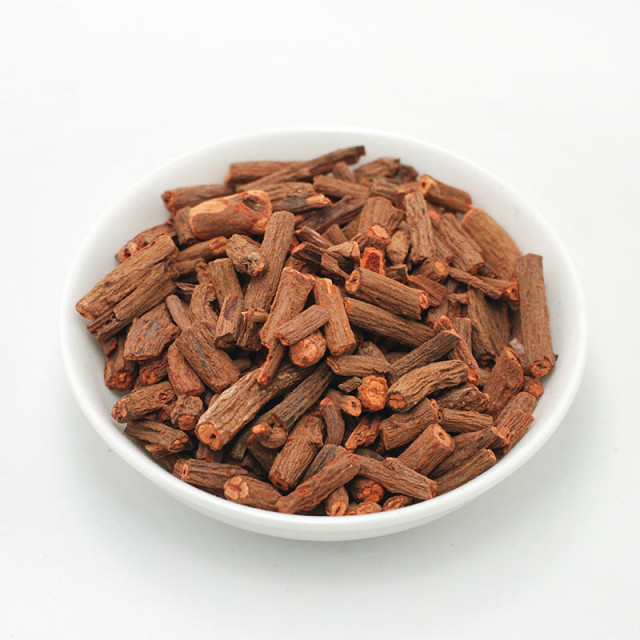
Madder root cut – natural red dye
4.95€50 g · 3 weights

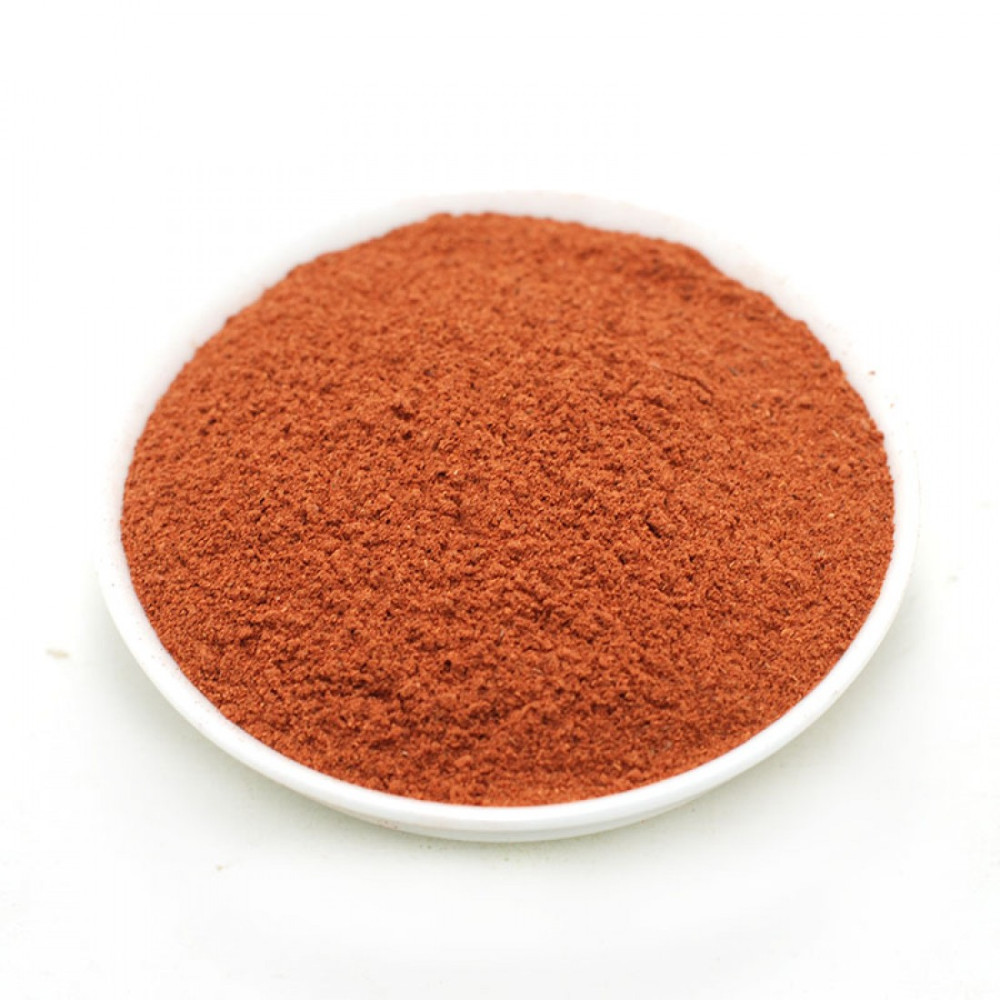 Zoom
Medicinal & Therapeutic Herbs
Rubia tinctorum L.
Also known as: madder, dyer's madder, common madder, Rubia tinctorum, rizari (transliteration).
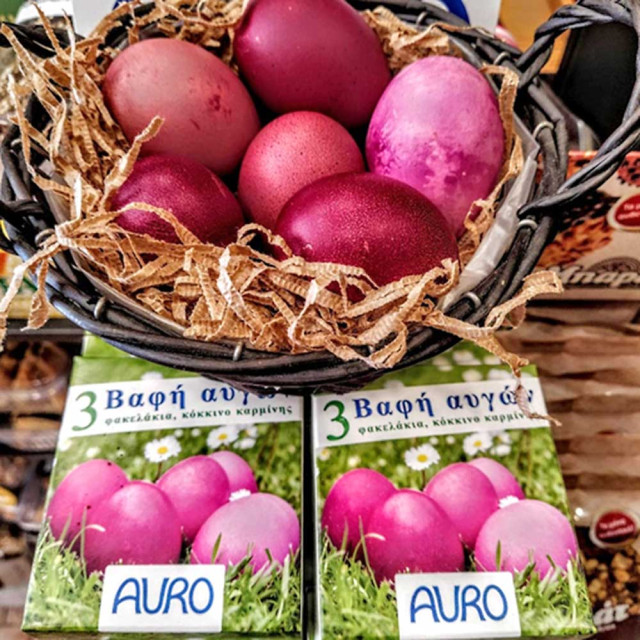
Madder is the dried root of Rubia tinctorum, one of the oldest natural sources of red dye in the world. It has been used since antiquity for textiles, wool, silk, leather and wood, as well as for the traditional Greek dyeing of red Easter eggs.
Send us a message and we reply within one working day. Or call us on (+30) 2610 221354 during shop hours.
Send a message(+30) 2610 221354Madder is the dried root of Rubia tinctorum, one of the oldest natural sources of red dye in the world. It has been used since antiquity for textiles, wool, silk, leather and wood, as well as for the traditional Greek dyeing of red Easter eggs.
Anthraquinone pigments, primarily alizarin and purpurin. They yield shades ranging from coral to deep red and burgundy, depending on the pH of the dye bath, temperature and mordant used.
Anyone looking for a plant-based dye for textiles, wool, silk, cotton, leather and wood; traditional red Easter eggs; craft and small-scale artisan use.
As a dye in cold or hot baths, with alum or other traditional mordants. It gives a stable colour without synthetic dyes and is among the most long-lasting natural red dyes for both wear and washing.
Soak 30–50 g of madder powder per litre of water for 12 hours, strain, and immerse the (previously mordanted) fabric in the bath. Leave for several hours up to 24 hours, depending on the desired intensity.
Simmer 30–50 g of powder per litre of water for 30–45 minutes at below 80°C (above that, alizarin degrades and the colour drifts toward brown). Strain and immerse the mordanted fabric for 30–60 minutes.
Boil 2–3 tablespoons of powder in 1 litre of water for 15 minutes. Add 1 tablespoon of vinegar, strain, and immerse eggs for 5–15 minutes depending on desired intensity. Remove with a slotted spoon and polish with olive oil.
Madder is not intended for consumption. As a dyestuff, avoid contact with open wounds and wear a dust mask when weighing out the powder. People with kidney conditions should avoid prolonged internal exposure — older traditional uses for kidney stones have been abandoned due to genotoxicity concerns from lucidin. Keep away from children and pets.
A warm red, from coral to deep red and burgundy, depending on the pH of the bath and the mordant. With alum it gives a stable red; in alkaline conditions it shifts toward burgundy-violet.
Yes — on fabric a mordant is needed for the colour to last, usually alum. Without it the dye washes out relatively quickly. For Easter eggs no mordant is needed: a little vinegar in the dye bath is enough.
Temperature is the key. Madder gives red only while the water stays below 80°C — a gentle simmer, never a rolling boil. If it boils hard the pigment degrades and the colour turns brownish orange. Keep the heat low, add 1 tablespoon of vinegar to the dye bath, and add the eggs already boiled so you do not need to raise the temperature again.
Have you tried Madder root powder? Tell us what you think.
4.95€50 g · 3 weights
1.45€50 g · 3 weights
1.68€50 g · 3 weights