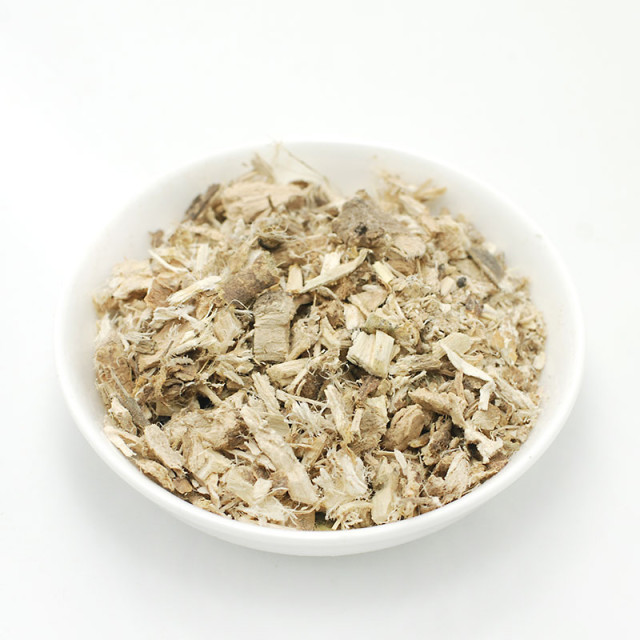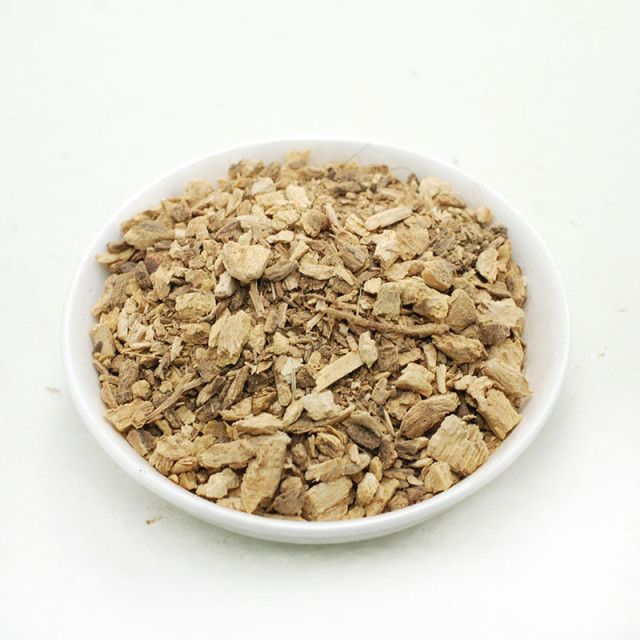
Belladonna root
11.40€50 g · 3 weights

 Zoom
Medicinal & Therapeutic Herbs
Mandragora officinarum L. Historical synonym: Atropa mandragora.
Also known as: European mandrake, mandrake, devil’s apple, mandragoras, mandragouda, avgoudatsa, alanthropos.
Mandrake is one of the most recognisable plants in Mediterranean pharmacognosy, with a fleshy, sometimes human-shaped root and an exceptionally rich presence in mythology, medical writing and folklore.
Send us a message and we reply within one working day. Or call us on (+30) 2610 221354 during shop hours.
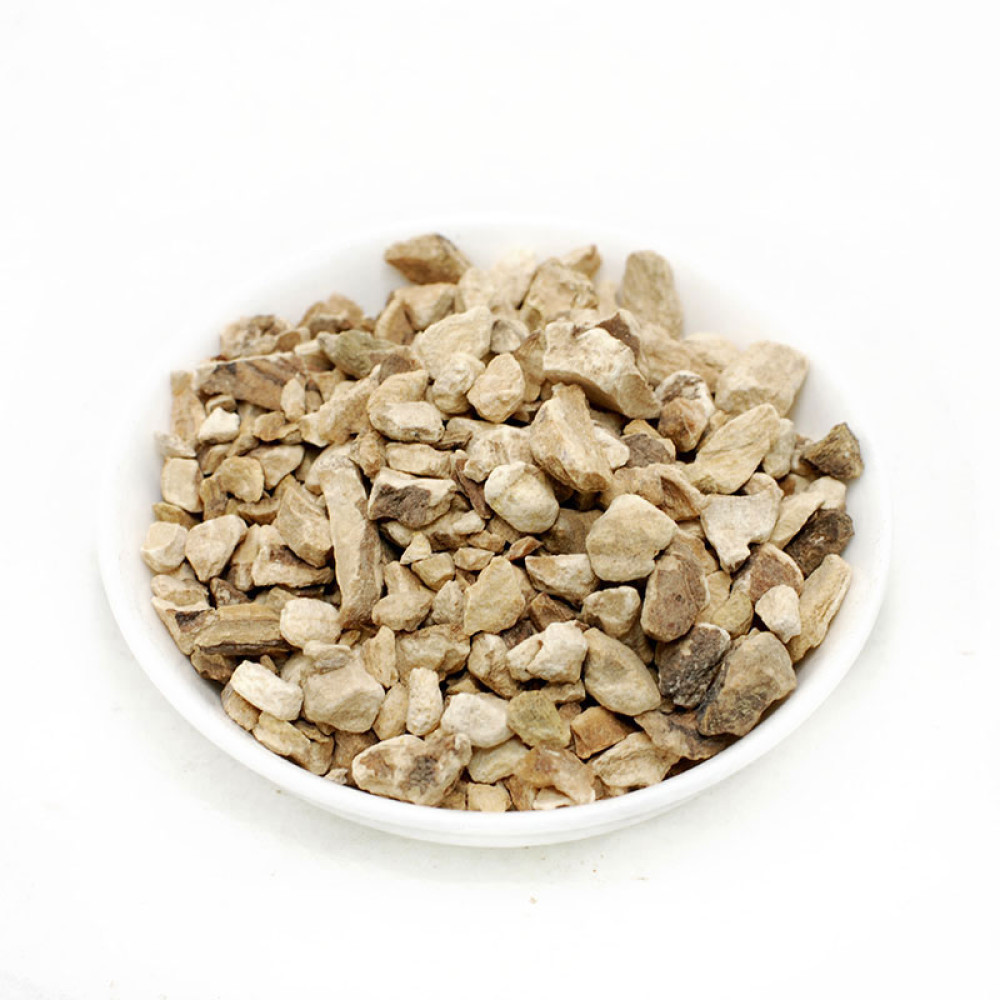
Send a message(+30) 2610 221354Mandrake is one of the most recognisable plants in Mediterranean pharmacognosy, with a fleshy, sometimes human-shaped root and an exceptionally rich presence in mythology, medical writing and folklore. The root corresponds to Mandragora officinarum and is of primary interest for historical, botanical and pharmacognostic study.
Ancient sources linked it with sleep, analgesia and narcosis before painful procedures. These records are now understood in relation to its tropane alkaloids, which have a narrow safety margin and can cause severe anticholinergic poisoning.
The root contains hyoscyamine, scopolamine and atropine, together with other tropane alkaloids. These compounds affect the parasympathetic nervous system and explain both the old references to sleep, pain and spasms and the characteristic signs of toxicity: dry mouth, tachycardia, dilated pupils, blurred vision, confusion, short-term memory loss, delirium and hallucinations.
Alkaloid content varies, while older references report approximately 0.4% total tropane alkaloids in the root. That variability is critical and means historical recipes cannot be converted into a safe household dose.
Historical references: mandrake was recorded for persistent pain, sleeplessness, melancholy, spasms and rheumatic discomfort. Pliny mentions use before surgery, while other old texts describe root juice, infusion in wine or water and a grated paste mixed with brandy. These accounts belong to medical history and are not practical instructions.
The lexicographer Suidas commented on its hypnotic character, while Hildegard von Bingen associated the root with hallucinations. Twentieth-century ethnobotanical reports described intoxication, narcosis, visions, euphoria and vivid dream activity. Modern homeopathy uses a tincture of fresh mandrake, a preparation different from the dried root.
Use only under the guidance of a qualified professional due to the risk of toxicity.
The root is toxic and ingestion may cause severe anticholinergic poisoning. Possible signs include extreme dryness of the mouth and throat, muscular weakness, rapid heartbeat, fever, urinary retention, dilated pupils, blurred vision, agitation, confusion, hallucinations, seizures and coma. Suspected exposure requires immediate poison-centre or emergency medical advice. Avoid completely during pregnancy and breastfeeding, in children, glaucoma, cardiac arrhythmias and prostate enlargement, and with other anticholinergic or sedative medicines.
Its human-shaped root and potent tropane alkaloids connected it with ancient medicine, mythology, sleep and ritual traditions.
Primarily hyoscyamine and scopolamine, together with atropine and other tropane alkaloids.
The root carries a serious toxicity risk and is used only under the guidance of an appropriately qualified professional.
Have you tried Mandrake root? Tell us what you think.
11.40€50 g · 3 weights
3.10€50 g · 3 weights
2.50€50 g · 3 weights
1.70€50 g · 3 weights