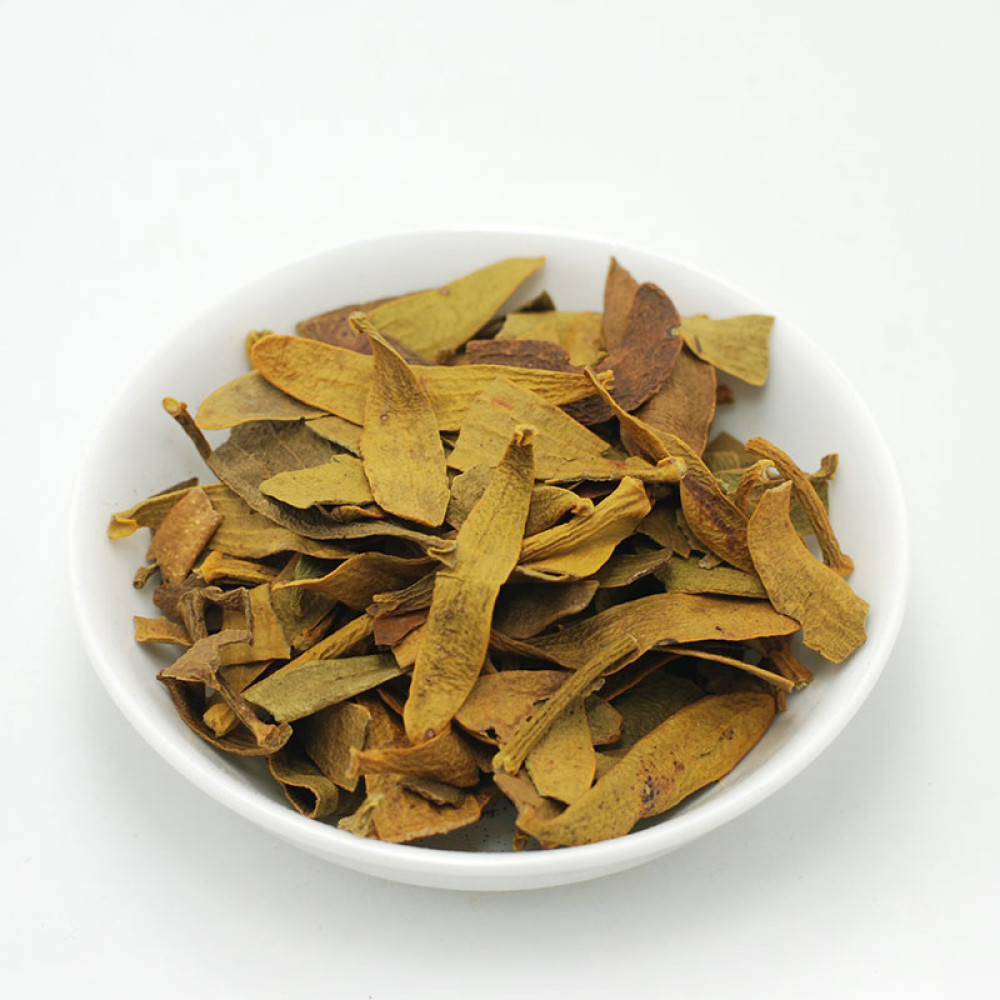
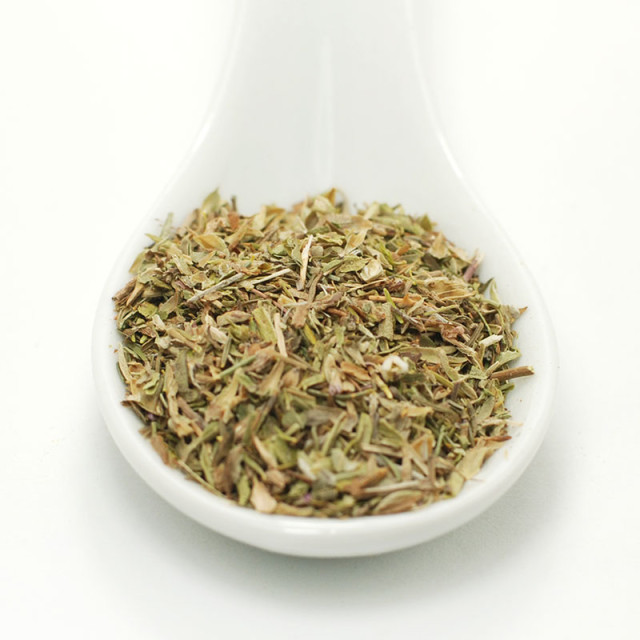
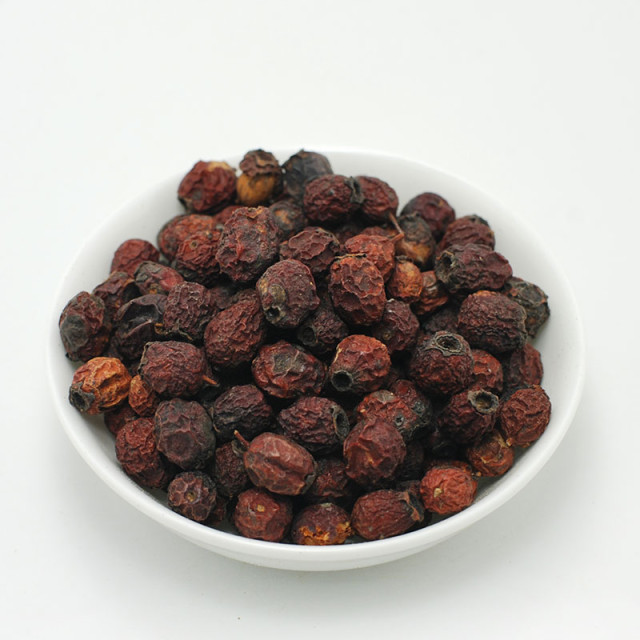
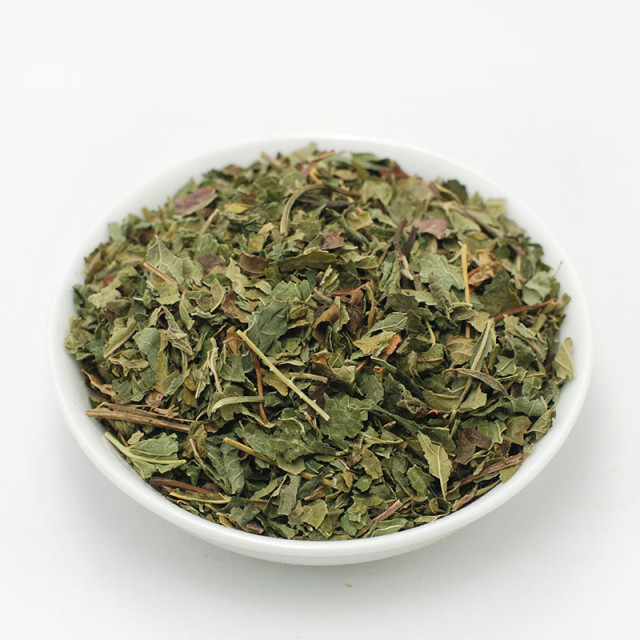
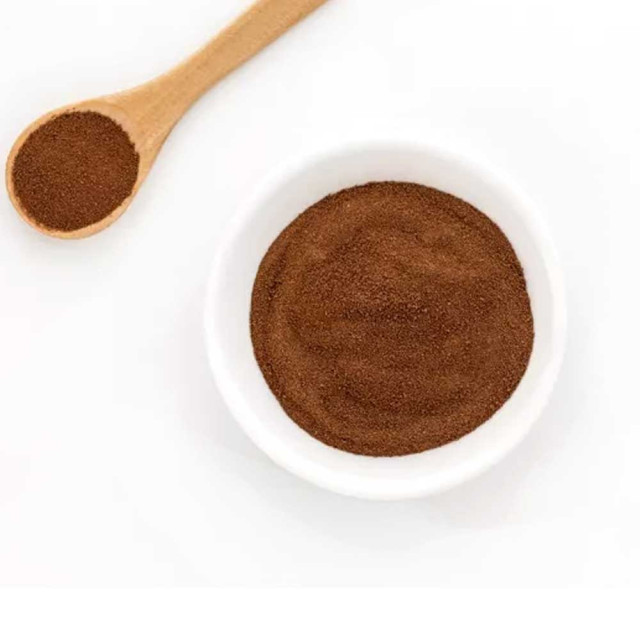
European mistletoe is an evergreen hemiparasitic plant that grows on trees. Its leaves are traditionally known for circulatory support, but their composition varies with the host tree and internal use requires professional guidance.
Key properties
Older herbal literature attributes hypotensive, warming, antispasmodic, calming, diuretic, nervine-tonic, analgesic, anti-inflammatory, antihaemorrhagic, wound-healing and antidiarrhoeal properties to mistletoe, as well as effects on insulin. Human clinical oncology studies have mainly been conducted with specialised injectable medicinal preparations under medical supervision.
Uses
Traditional references include:
- blood pressure
- heart rate
- arrhythmias
- phlebitis
- anxiety
- sleep
- panic
- headache
- concentration
- tinnitus
- glucose
Epilepsy and childhood hyperactivity appear in older sources. The association with cancer concerns specialised complementary-oncology preparations under medical supervision.
Older phytotherapy sources mention an infusion up to three times daily. However, because activity varies and toxicity is possible, internal use requires individual professional guidance.