 Zoom
Medicinal & Therapeutic Herbs
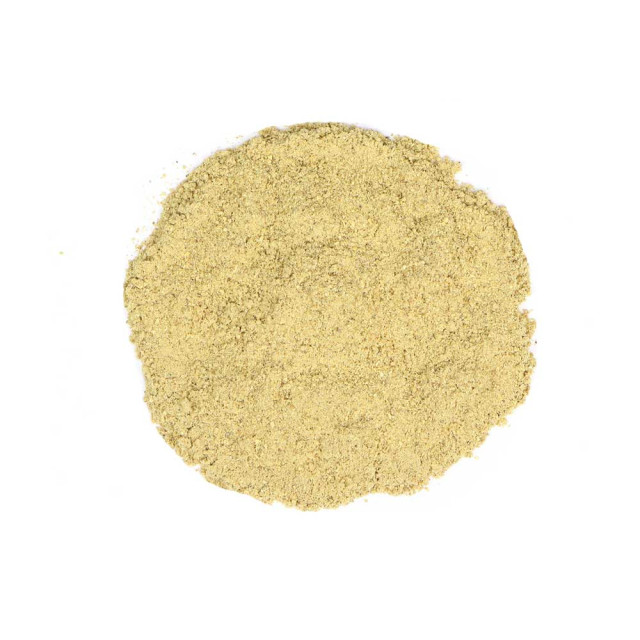
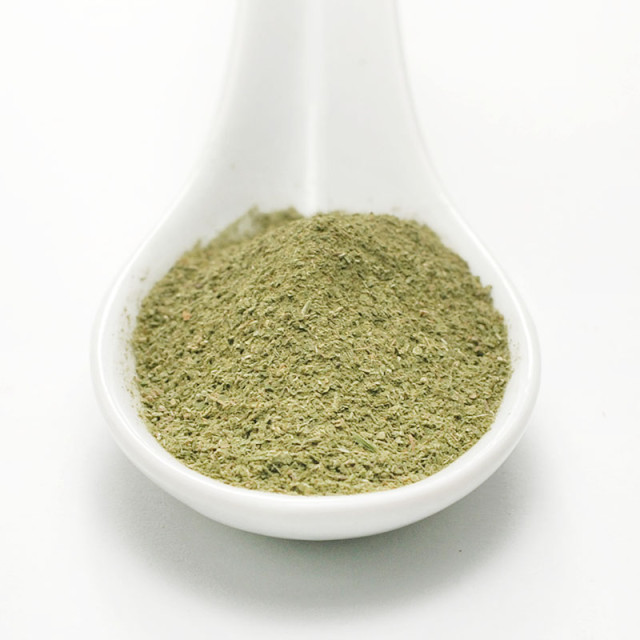
Nettle leaf powder
Urtica dioica L.
Also known as: Nettle, stinging nettle, common nettle, tsouknida.
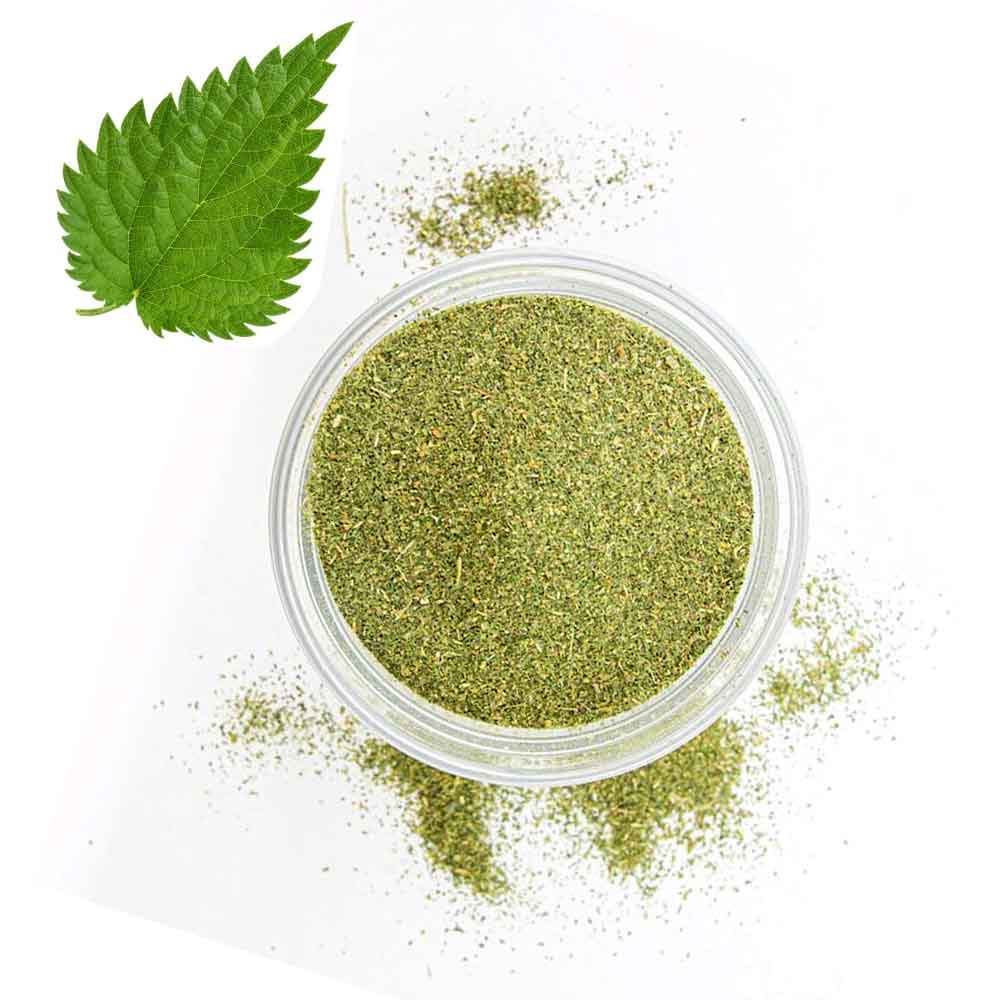
Nettle is the leaf of the familiar stinging plant, offered as a powder. Drying completely neutralises the sting. It is among the most classic tonics of European herbal practice and concerns those interested in mild anaemia, eczema, allergic rhinitis and arthritis.
Shipping options
- EU countries: DHL from €18 · free over €200 (first 2 kg, by volumetric weight)
- Cyprus: ACS, BOX NOW or DHL · free with ACS or BOX NOW over €99
- Greece: ACS or ELTA to your door from €4.00 · ACS or BOX NOW lockers from €2.40 · free over €49 (first 3 kg)
- Usually dispatched within 1–2 business days
Payment methods
- Card, Google Pay, Apple Pay, with no extra charge
- Cash on delivery (Cyprus and Greece): ACS +€2.50 · ELTA +€3.50
- IRIS or bank transfer (Greece only)
Send us a message and we reply within one working day. Or call us on (+30) 2610 221354 during shop hours.
Send a message(+30) 2610 221354What it is
Nettle is the leaf of the familiar stinging plant, offered as a powder. Drying completely neutralises the sting. It is among the most classic tonics of European herbal practice and concerns those interested in mild anaemia, eczema, allergic rhinitis and arthritis.
Key properties
The leaves are characterised as diuretic, tonic, a blood cleanser, blood-building and astringent. They offer a wide variety of vitamins, minerals, fatty acids, amino acids, polyphenols and pigments, many of which also act as antioxidants.
As a diuretic tonic it is associated with cleansing the kidneys and reducing toxins that accumulate over time, particularly those linked to arthritis and gout. In gout the interest centres on uric acid: increased urine flow assists its elimination through the kidneys, while laboratory data also describe inhibition of xanthine oxidase, the enzyme that produces uric acid. The herb is therefore traditionally appreciated in wellness routines focused on uric acid management and joint comfort. It is rich in bone-building minerals — iron, calcium, magnesium, silica, potassium, manganese, zinc, copper and chromium — as well as vitamin K, vitamin C and most of the B complex. The blood-cleansing action is attributed to chlorophyll and to the minerals that help build healthy blood. Human and animal studies link nettle to lower blood sugar levels; it contains compounds that may mimic actions of insulin. Its astringent property and silica content are associated with tightening and regenerating tissue.
Uses
Who it is for
Nettle is traditionally associated with general tonic support, with eczema — particularly in children — with allergic rhinitis through a natural antihistamine action, with osteoarthritis and inflammation, with benign prostatic hyperplasia — where nettle root is preferred — with urinary infections, nosebleeds and bleeding generally, with mild anaemia, painful periods, fatigue, blood pressure, blood sugar and wound healing.
How it is commonly used
The powder is dissolved in water, juice or a favourite drink, or added to salads and yoghurt. It is appreciated in wellness routines focused on detoxification, bone nourishment and seasonal allergy relief. The taste is earthy and grassy.
Preparation and dosage
1 teaspoon of powder dissolved in water, juice, salad, yoghurt or a drink. Daily intake 1–2 teaspoons. Use is in cycles of a few weeks with breaks in between.
Quantities are indicative, based on traditional use and published herbal literature. For prolonged use or if you are on medication, consult a health professional.
Precautions
Because of the diuretic action, adequate fluid intake is needed, along with caution alongside diuretics, antihypertensives or lithium. The high vitamin K content affects anticoagulants: anyone on such medication should inform their doctor. With antidiabetic medication, blood sugar monitoring is needed, as it may amplify the reduction.
Avoided in pregnancy, as it is traditionally associated with uterine stimulation, and in breastfeeding for lack of data. Not recommended in renal or cardiac failure where fluid restriction applies. Gastrointestinal upset and skin reactions are rarely reported. Benign prostatic hyperplasia, anaemia and urinary infections require medical diagnosis — nettle does not replace investigation.
Frequently asked questions
Does nettle powder sting?
No. Drying completely neutralises the stinging hairs of the plant, so the powder is entirely harmless to handle and use.
Leaf or root?
For general tonic use, anaemia, eczema and allergic rhinitis, the leaves are used. For benign prostatic hyperplasia the root is preferred, which is a different herbal drug.
How much is taken per day?
One to two teaspoons, dissolved in water, juice, yoghurt or salad, in cycles of a few weeks with breaks in between.
- European Medicines Agency, Committee on Herbal Medicinal Products. European Union herbal monograph on Urtica dioica L., Urtica urens L., folium.
- ESCOP Monographs. Urticae folium/herba.
Reviews
Have you tried Nettle leaf powder? Tell us what you think.