 BIO Zoom
Medicinal & Therapeutic Herbs
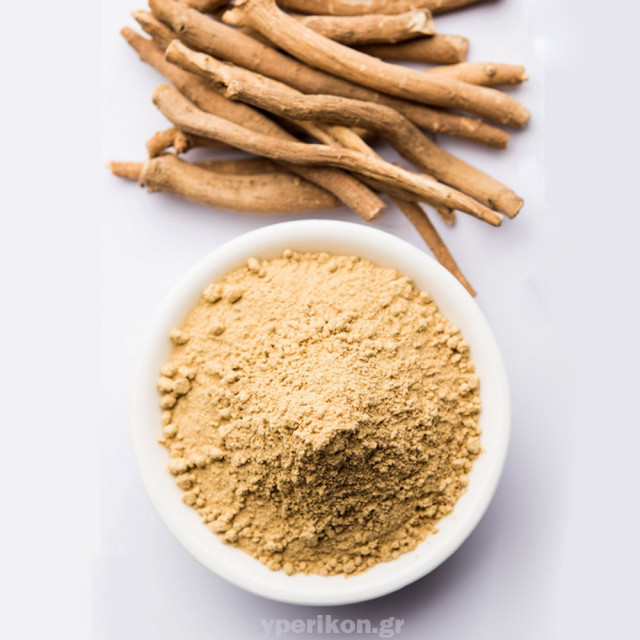
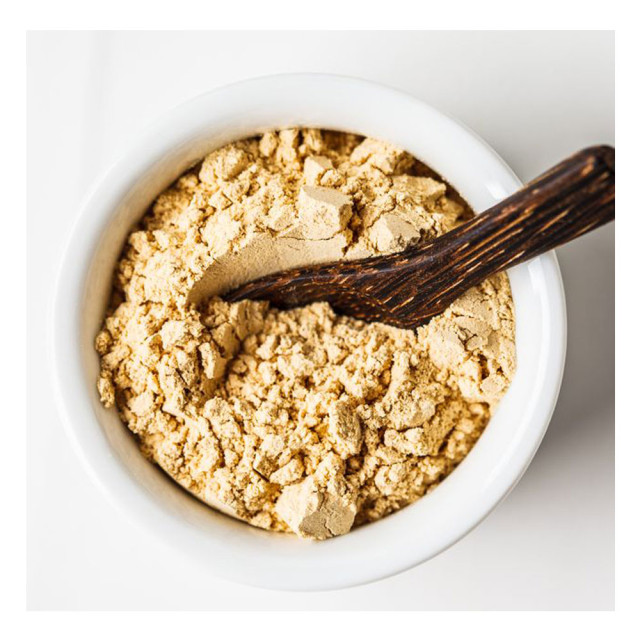
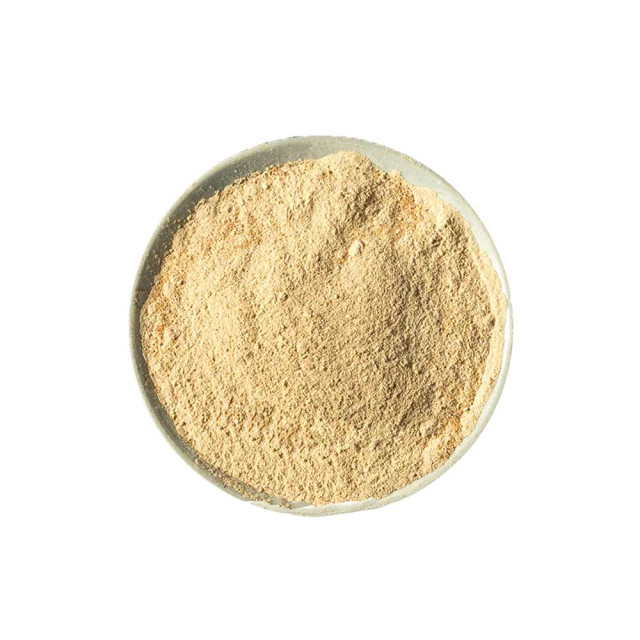
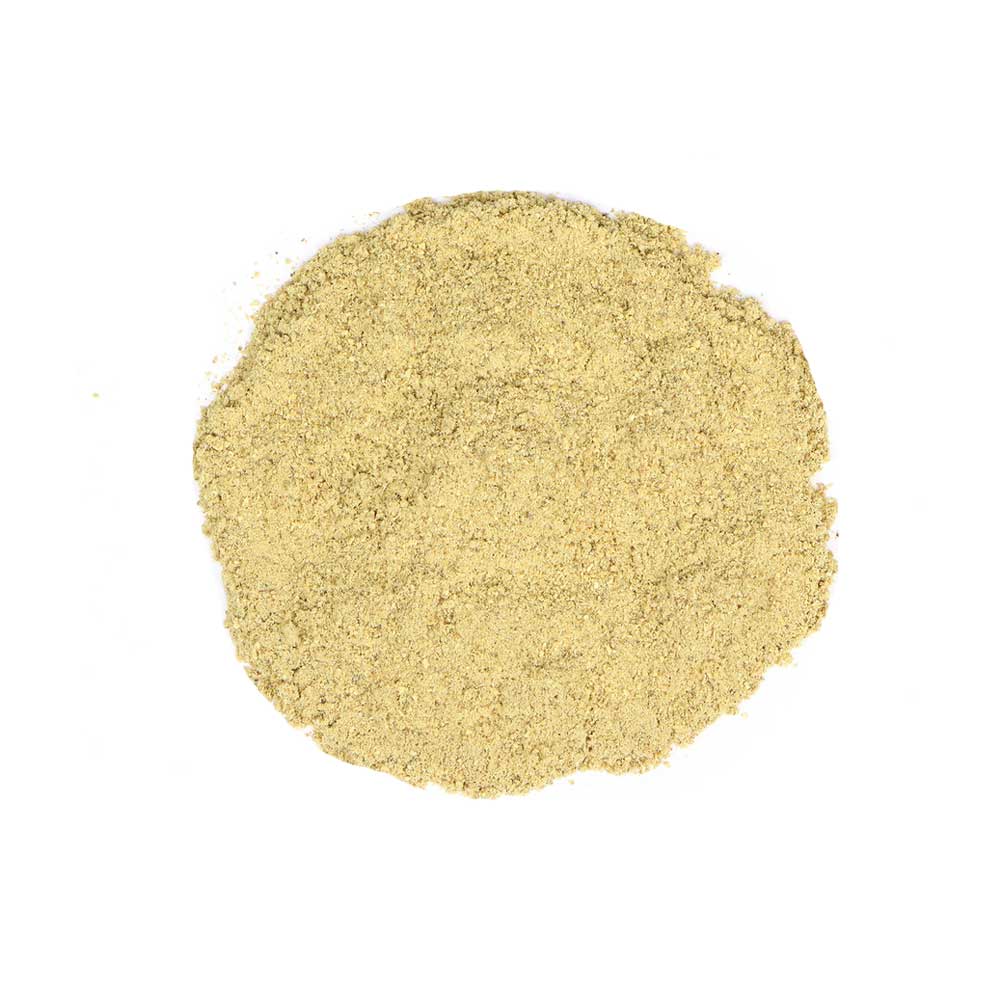
Tribulus fruit powder 80 g ΒΙΟ– Bulgarian
Also known as: tribulus, puncture vine, devil's thorn, caltrop, trivoli, pentaxyli, trioli.
Tribulus is powdered spiny fruit of Tribulus terrestris. Ayurveda, Chinese and Yunani traditions describe it as a tonic, aphrodisiac, diuretic and lithotriptic herb.
Shipping options
- EU countries: DHL from €18 · free over €200 (first 2 kg, by volumetric weight)
- Cyprus: ACS, BOX NOW or DHL · free with ACS or BOX NOW over €99
- Greece: ACS or ELTA to your door from €4.00 · ACS or BOX NOW lockers from €2.40 · free over €49 (first 3 kg)
- Usually dispatched within 1–2 business days
Payment methods
- Card, Google Pay, Apple Pay, with no extra charge
- Cash on delivery (Cyprus and Greece): ACS +€2.50 · ELTA +€3.50
- IRIS or bank transfer (Greece only)
Send us a message and we reply within one working day. Or call us on (+30) 2610 221354 during shop hours.
Send a message(+30) 2610 221354What it is
Tribulus is powdered spiny fruit of Tribulus terrestris. Ayurveda, Chinese and Yunani traditions describe it as a tonic, aphrodisiac, diuretic and lithotriptic herb.
Steroidal saponins, flavonoids and alkaloids have prompted research on sexual function, metabolism, exercise, inflammation and urinary health.
Key properties
Tonic and aphrodisiac. Traditionally associated with libido, sexual desire, erectile function and male or female sexual wellbeing.
Diuretic and lithotriptic. The fruit is traditionally used for urination, urinary stones and general urinary comfort.
Astringent and stomachic. Folk use includes flatulence, digestive comfort and an astringent character.
Anti-inflammatory and analgesic. Laboratory and animal data examine inflammatory markers, pain and antispasmodic activity.
Immunomodulatory and cardiotonic. Preclinical data concern immune response, vascular tone, blood pressure and lipids.
Uses
A rich traditional record coexists with studies of different forms and quality. The following topics are separated into traditional, preclinical and clinical evidence.
- Sexual function and libido. Clinical studies have examined low sexual desire in men and women, erectile dysfunction, sperm production and androgen-related effects. Findings are not uniform and mainly concern extracts at 500–1,500 mg.
- Menopause. Traditional and complementary use has been associated with hot flushes and sleep disturbance, with limited clinical evidence.
- Blood sugar and cholesterol. Studies in people with type 2 diabetes and preclinical models have examined glucose, insulin, lipids and atherosclerosis.
- Blood pressure and heart function. Preclinical findings concern vascular relaxation, an antihypertensive profile and cardiotonic activity.
- Exercise and muscle performance. A study in professional boxers examined muscle damage and anaerobic performance, while increased testosterone is not considered a consistent finding.
- Urinary system and stones. Ayurvedic, Chinese and Yunani traditions associate the fruit with urination, urinary cleansing and expulsion of stones.
- Liver, mastitis and flatulence. These are recorded as traditional uses together with headache, vitiligo, eye complaints and venereal diseases.
- Antimicrobial and anthelmintic research. Laboratory studies have examined antibacterial, antifungal, anthelmintic and larvicidal activity.
- Cancer. Research on anticancer activity remains laboratory-based and preclinical and does not provide clinical evidence in humans.
Preparation & dosage
The traditional amount for fruit powder is 2–3 g in total per day. Mix with water or juice and begin conservatively, preferably with a meal.
Fruit powder may be used for a cycle of up to eight weeks, followed by a ten-day break before another cycle.
Amounts are indicative and are based on traditional use and published herbal literature. For prolonged use or when taking medication, consult a healthcare professional.
Precautions
Possible adverse effects include nausea, vomiting, diarrhoea, cramps, heartburn and gastrointestinal irritation. Isolated reports describe liver or kidney injury after unknown high amounts and prolonged use.
Professional advice is needed with antidiabetic, antihypertensive, diuretic or antiplatelet medication, especially clopidogrel. Avoid during pregnancy, breastfeeding and under 16 years. Stop before planned surgery when medically advised.
Frequently asked questions
How much tribulus fruit powder is traditionally used?
The recorded traditional amount is 2–3 g in total per day, mixed with water or juice.
Does tribulus always increase testosterone?
Studies do not show a consistent rise in testosterone. Research is more specific to libido and sexual function.
What is tribulus mainly used for?
It is mainly associated with libido, sexual function, physical performance and traditional urinary support.
- A Comprehensive Review of the Phytochemical, Pharmacological, and Toxicological Properties of Tribulus terrestris L
- Pro-sexual and androgen enhancing effects of Tribulus terrestris L.: Fact or Fiction
- The hormonal effects of Tribulus terrestris and its role in the management of male erectile dysfunction
- Tribulus terrestris extracts alleviate muscle damage and promote anaerobic performance of trained male boxers and its mechanisms
- Tribulus terrestris for treatment of sexual dysfunction in women
- Efficacy of the Hydroalcoholic Extract of Tribulus terrestris on the Serum Glucose and Lipid Profile of Women With Diabetes Mellitus
- Influence of Tribulus terrestris extract on lipid profile and endothelial structure in developing atherosclerotic lesions in the aorta of rabbits on a high-cholesterol diet
- Phytopharmacological overview of Tribulus terrestris
Reviews
Have you tried Tribulus fruit powder 80 g ΒΙΟ– Bulgarian? Tell us what you think.