 BIOGreek Zoom
Medicinal & Therapeutic Herbs
Organic Greek sage bunch
Salvia fruticosa Mill.
Also known as: Greek sage, three-lobed sage, alifaskia, faskos, sfaka.
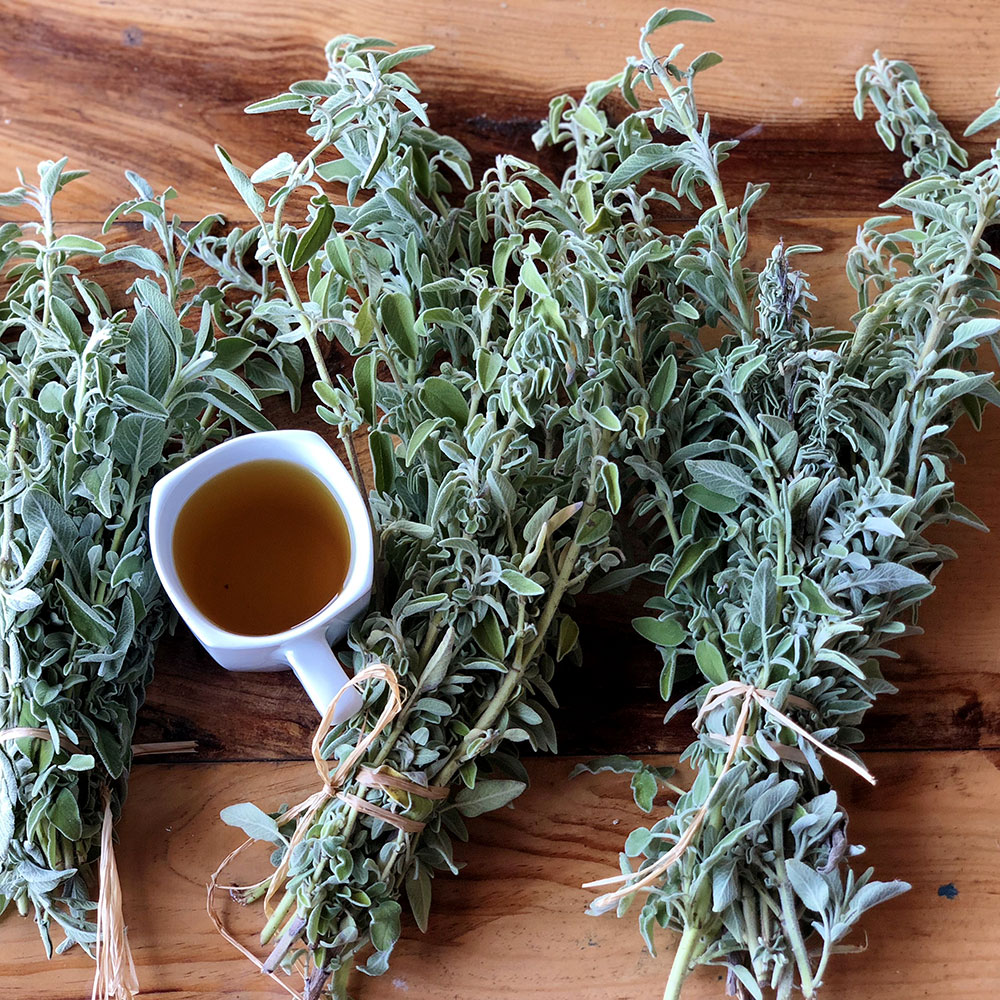
The whole organic Greek sage bunch keeps the leaves, stems and natural form of Mediterranean sage visible. It is a traditional format for an aromatic drink and Mediterranean cooking, allowing the required sprigs to be selected by hand.
Shipping options
- EU countries: DHL from €18 · free over €200 (first 2 kg, by volumetric weight)
- Cyprus: ACS, BOX NOW or DHL · free with ACS or BOX NOW over €99
- Greece: ACS or ELTA to your door from €4.00 · ACS or BOX NOW lockers from €2.40 · free over €49 (first 3 kg)
- Usually dispatched within 1–2 business days
Payment methods
- Card, Google Pay, Apple Pay, with no extra charge
- Cash on delivery (Cyprus and Greece): ACS +€2.50 · ELTA +€3.50
- IRIS or bank transfer (Greece only)
Send us a message and we reply within one working day. Or call us on (+30) 2610 221354 during shop hours.
Send a message(+30) 2610 221354What it is
The whole organic Greek sage bunch keeps the leaves, stems and natural form of Mediterranean sage visible. It is a traditional format for an aromatic drink and Mediterranean cooking, allowing the required sprigs to be selected by hand.
Main properties
The bunch includes aromatic leaves and flowering aerial parts with volatile oil, rosmarinic acid and tannins. Its profile is warm, aromatic, digestive and astringent, with traditional use around perspiration and oral care.
Uses
Leaves and fine flowering sprigs are selected from the bunch for a warm infusion in cold weather, digestion and relaxation. Used lukewarm and well strained, it serves traditionally as a gargle for an irritated throat and mouth. In cooking, the whole bunch also provides a visible aromatic presence, with small amounts used in roasts and rich dishes.
Preparation & dosage
For an infusion, add 1 teaspoon of dried Greek sage to 1 cup of boiling water, cover for about 10 minutes and strain. Drink up to 3 times daily for up to 1–2 weeks. For a gargle, use the same freshly prepared infusion while lukewarm and spit it out after use.
Quantities are indicative and are based on traditional use and published herbal-medicine literature. For prolonged use or if you take medication, consult a healthcare professional.
Combinations with other herbs
For the throat, Greek sage is traditionally paired with thyme or used alone for a clean, strong flavour. In cooking, small amounts pair with rosemary, lemon and garlic.
Precautions
Avoid internal use during pregnancy and seek advice while breastfeeding. Excessive or prolonged thujone exposure may be associated with rapid heartbeat, mental confusion and convulsions. Use caution with epilepsy or a history of seizures, fever, hypertension and diabetes medicine. Do not swallow the essential oil. Persistent sore throat, fever, difficulty swallowing or a peritonsillar abscess requires medical assessment.
Frequently asked questions
Which species is Greek sage?
It is Salvia fruticosa, with the older name Salvia triloba retained as an accepted synonym.
How is the infusion prepared?
Use 1 teaspoon per cup of boiling water for about 10 minutes, up to 3 times daily and for a short period.
Can Greek sage be used in cooking?
Yes. Its strong aroma particularly suits rich dishes, lamb, game and poultry when used sparingly.
Reviews
Have you tried Organic Greek sage bunch? Tell us what you think.
You may also like
Whole cloves
1.90€50 g · 3 weights
Hibiscus calyces
1.25€50 g · 3 weights
Gymnema leaf powder 80 g
6.50€