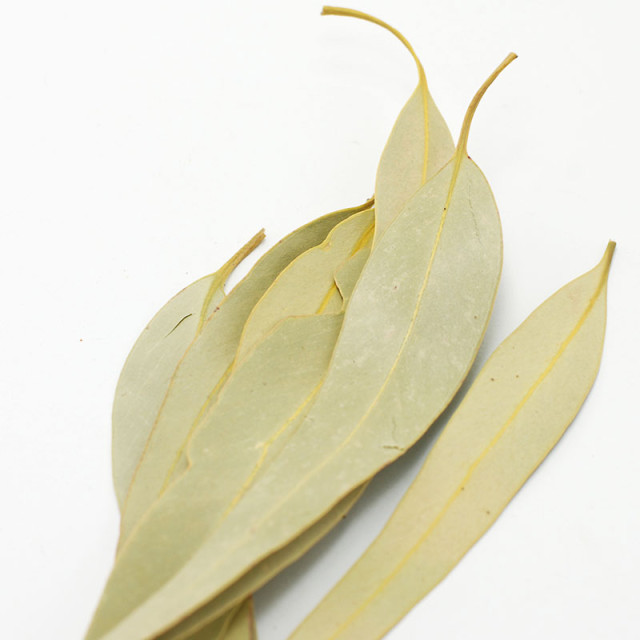
Greek eucalyptus leaves
1.90€50 g · 3 weights

 BIO Zoom
Medicinal & Therapeutic Herbs
Pinus sp.
Also known as: Pine needles, pine needle tea, pefkovelones.
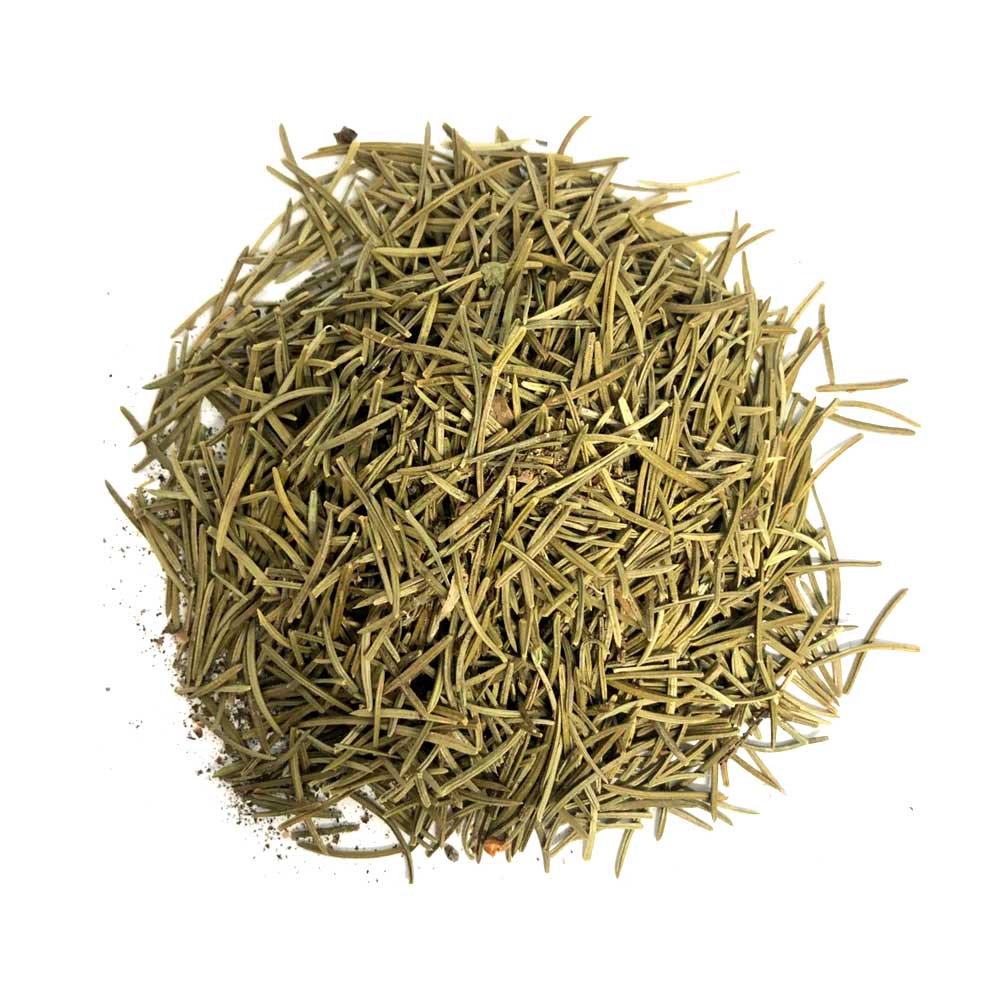
Pine needles are the needle-shaped leaves of the pine tree, dried for infusion. Pine needle tea is traditional in many regions with coniferous forests and appeals to those seeking a natural source of vitamin C and support with colds and flu. The aroma is resinous and fresh.
Send us a message and we reply within one working day. Or call us on (+30) 2610 221354 during shop hours.
Send a message(+30) 2610 221354Pine needles are the needle-shaped leaves of the pine tree, dried for infusion. Pine needle tea is traditional in many regions with coniferous forests and appeals to those seeking a natural source of vitamin C and support with colds and flu. The aroma is resinous and fresh.
The needles are characterised as decongestant, throat-soothing, antioxidant and mildly antimicrobial. They contain up to four times more vitamin C than oranges, as well as vitamin A, which is linked to vision, hair, skin and the formation of blood cells. Characteristic constituents are shikimic acid, the monoterpenes of the essential oil such as alpha-pinene, proanthocyanidins and polyphenols.
The infusion slows oxidative stress, a feature that makes it of interest after training. A 2006 study in mice given pine needle extract examined action on tumours, while antidepressant properties have also been studied only in mice; in both cases the data are preclinical.
Pine needles are associated with colds and flu, with decongestion and sore throat, with allergies and allergic rhinitis, with blood pressure, with oxidative stress and ageing, and with mood.
The infusion is drunk hot, especially in the winter months. It is best served plain, but takes honey or lemon. The steam from the infusion is also traditionally used for inhalation, as part of clearing the airways.
Infusion: 2–3 g of pine needles in a cup of freshly boiled water. Leave covered for 10 to 20 minutes. The tea is not boiled: prolonged boiling breaks down the vitamins and loses the essential oil.
Quantities are indicative, based on traditional use and published herbal literature. For prolonged use or if you are on medication, consult a health professional.
Not recommended during pregnancy. Some conifer species are not safe for consumption: this concerns chiefly ponderosa pine, linked to abortion in animals, as well as yew (Taxus baccata) and cypress, which look similar but are toxic — yew is lethal. Only material of identified origin is used, and never needles gathered without safe identification of the tree.
Not taken by anyone with a known allergy to conifers. Pine essential oil is not given to infants and young children, as it can cause laryngospasm. In asthma, inhalations are done with care. Persistent fever or cough needs medical assessment.
Because prolonged boiling breaks down vitamin C and evaporates the essential oil. The needles steep covered in freshly boiled water for 10 to 20 minutes.
Two to three grams per cup. It is best served plain, but takes honey or lemon.
No. Some species are not safe, and yew is lethal despite looking similar. Only material of identified origin is used.
Have you tried Pine needles organic? Tell us what you think.
1.90€50 g · 3 weights
2.77€50 g · 3 weights
0.85€50 g · 3 weights
2.82€50 g · 3 weights