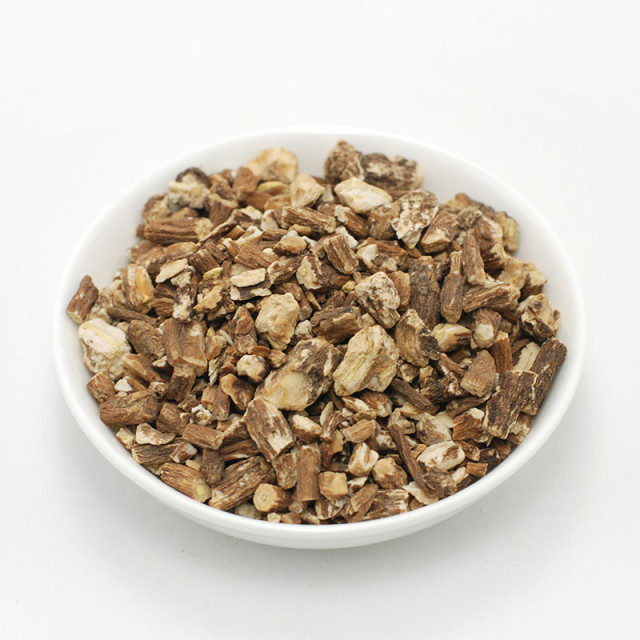
Dandelion root
3.50€50 g · 3 weights

 Zoom
Medicinal & Therapeutic Herbs
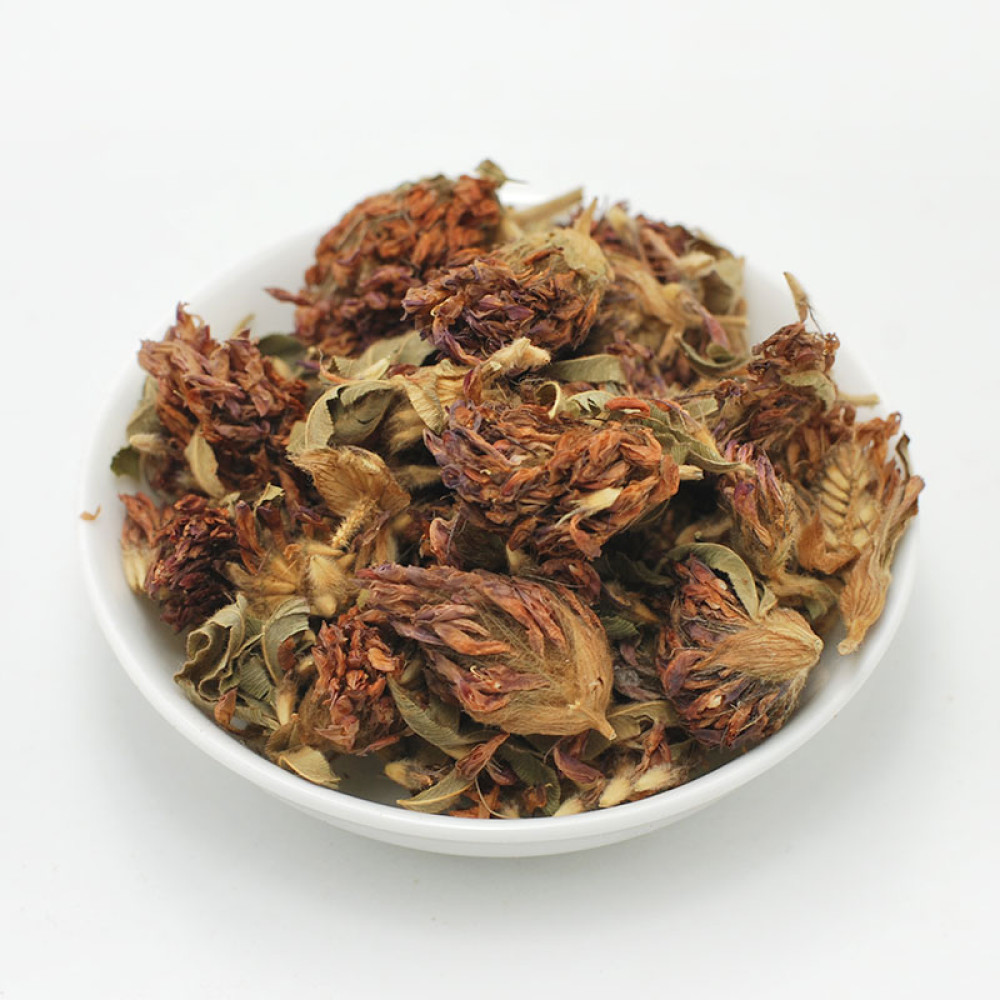
Trifolium pratense L.
Also known as: red clover, meadow clover, cow clover, voidotrifillo.
Dried red-clover flowers make a mild, gently sweet infusion with a long tradition in respiratory, skin and women’s herbal practice. Known for their isoflavones, they are used in both drinks and traditional external preparations.
Send us a message and we reply within one working day. Or call us on (+30) 2610 221354 during shop hours.
Send a message(+30) 2610 221354Dried red-clover flowers make a mild, gently sweet infusion with a long tradition in respiratory, skin and women’s herbal practice. Known for their isoflavones, they are used in both drinks and traditional external preparations.
The flowers contain isoflavones, flavonoids, coumarins and phenolic acids. European herbal practice ranks red clover among the classic blood-cleansing herbs — the alterative or depurative group, a category describing gradual support of the body’s eliminative pathways. It is traditionally described as depurative, emollient, expectorant, antispasmodic, mildly diuretic and antioxidant, linked with both the blood and the lymphatic system.
Red clover is first and foremost a blood-cleansing herb. In traditional European practice it was taken as a spring detoxification course over a few weeks, when the aim was gradual cleansing and support of the lymphatic system.
That same logic underlies its strongest tradition: the skin. The infusion was linked with chronic eczema, childhood eczema, psoriasis, acne, skin rashes and persistent itching — conditions older herbal practice attributed to “impure blood” and treated from the inside out rather than only topically.
For the respiratory tract, its emollient and expectorant character linked it with cough, bronchitis and whooping cough. Modern research focuses on isoflavones and explores hot flushes, cholesterol, bone loss and bone density around menopause, with results that are not consistent across studies.
For external care of dry skin, traditional practice combines red clover, sage and chamomile in olive oil: warm the completely dry herbs gently in a bain-marie, strain the oil and apply morning and evening to intact skin only. Clean, dry materials and a small patch test are essential.
Research relating to cancer remains mainly preclinical (in vitro and animal studies) and does not establish a clinical use for the herb.
For an infusion, add 1–1.5 teaspoons, approximately 2–3 g, to 250 ml boiling water, cover for 10–15 minutes and strain. Drink up to 3 times daily, for a total of 6–9 g, as a short-term practice.
Quantities are indicative and are based on traditional use and published herbal-medicine literature. For prolonged use or if you take medication, consult a healthcare professional.
For the throat, pair with linden or thyme. Women’s blends may include hops, although combining phytoestrogenic herbs calls for individual guidance. For external care, chamomile and calendula are natural partners.
Avoid during pregnancy and breastfeeding. Because of isoflavones, seek medical advice with hormone-sensitive conditions or a history of breast, uterine or ovarian cancer. Use caution with anticoagulants, antiplatelet drugs and before surgery. Persistent cough, breathlessness, extensive eczema or prostate symptoms requires assessment. Do not use homemade herbal oil on wet, open or infected skin.
Yes. The flowers contain isoflavones, so hormone-sensitive conditions call for caution.
Traditionally yes, as a well-strained infusion or carefully prepared herbal oil on intact skin after a small patch test.
It belongs to the alterative herbs of European tradition, taken in courses for gradual cleansing. That same logic underlies its link with chronic skin conditions.
Have you tried Red clover flowers? Tell us what you think.
3.50€50 g · 3 weights
2.03€50 g · 3 weights
2.22€50 g · 3 weights
2.55€50 g · 3 weights