 Zoom
Medicinal & Therapeutic Herbs
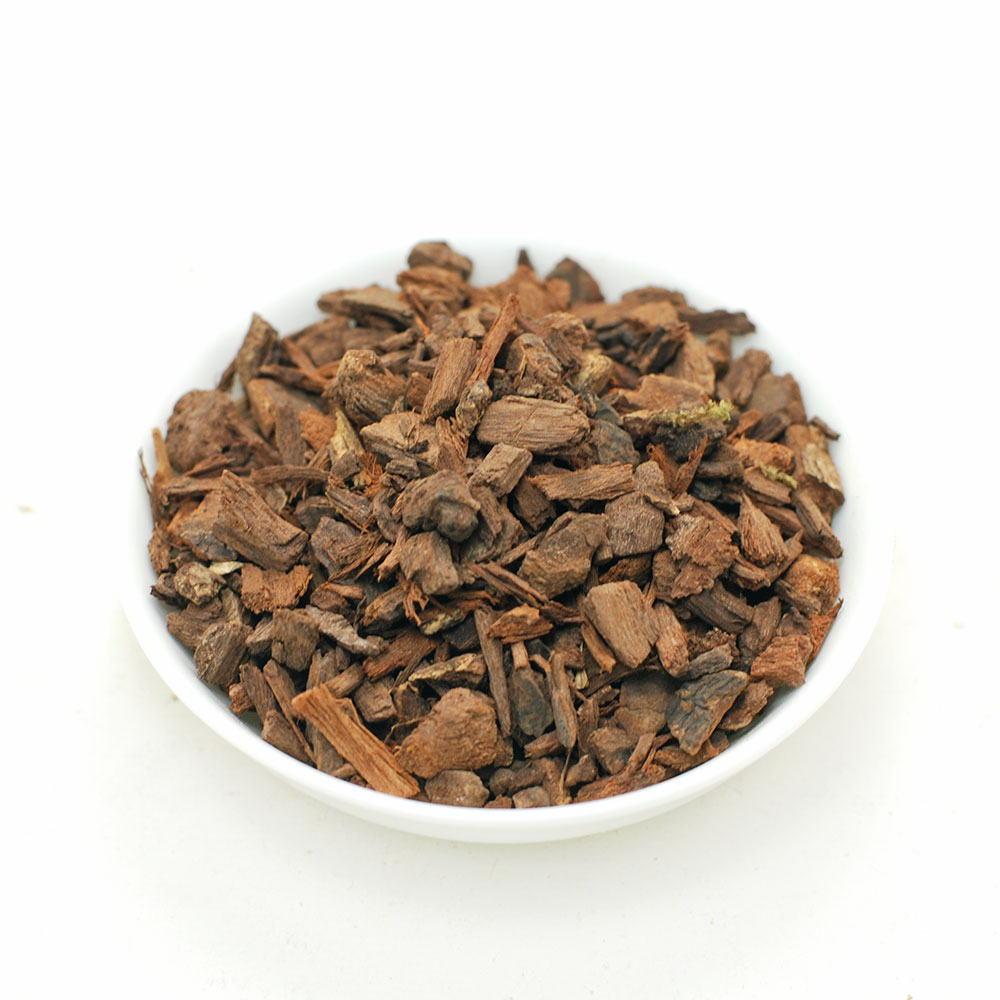
Pygeum bark
Also known as: pygeum, African cherry, red stinkwood, pygeum, pygkeoum.
Pygeum is the bark of the African tree Prunus africana. It is one of the best-known herbal materials for prostate and urinary comfort, especially in men with symptoms associated with benign prostatic hyperplasia.
Shipping options
- EU countries: DHL from €18 · free over €200 (first 2 kg, by volumetric weight)
- Cyprus: ACS, BOX NOW or DHL · free with ACS or BOX NOW over €99
- Greece: ACS or ELTA to your door from €4.00 · ACS or BOX NOW lockers from €2.40 · free over €49 (first 3 kg)
- Usually dispatched within 1–2 business days
Payment methods
- Card, Google Pay, Apple Pay, with no extra charge
- Cash on delivery (Cyprus and Greece): ACS +€2.50 · ELTA +€3.50
- IRIS or bank transfer (Greece only)
Send us a message and we reply within one working day. Or call us on (+30) 2610 221354 during shop hours.
Send a message(+30) 2610 221354What it is
Pygeum is the bark of the African tree Prunus africana. It is one of the best-known herbal materials for prostate and urinary comfort, especially in men with symptoms associated with benign prostatic hyperplasia.
Phytosterols, ferulic esters and pentacyclic triterpenoids have mainly been studied in bark extracts. Traditional African use includes adding powdered bark to water or milk for urinary complaints.
Key properties
Anti-inflammatory. Phytosterols and triterpenoids are associated with inflammatory mediators and prostate tone.
Prostate tonic. Used for urinary flow, nocturia, frequency and incomplete-emptying sensations associated with benign enlargement.
Diuretic. Traditional use concerns urinary function and urine elimination.
Uses
Clinical evidence mainly concerns standardised bark extracts. The natural bark retains its traditional role without converting extract doses into decoction amounts.
Benign prostatic hyperplasia. Studied for mild to moderate urinary symptoms such as nocturia, weak flow and frequency. Urinary system and kidneys. Traditional use includes urinary and kidney complaints, with early assessment for pain, blood or retention.
Pain and inflammation. Its anti-inflammatory character relates to prostate comfort and traditional use for pain. Fever, malaria and libido. These are historical African references and do not have the same clinical evidence level as prostate symptoms.
Preparation & dosage
For a decoction, simmer 1 teaspoon of bark in 1 cup of water for 5–10 minutes and strain. The recorded traditional frequency is once or twice daily.
Amounts are indicative and are based on traditional use and published herbal literature. For prolonged use or when taking medication, consult a healthcare professional.
Combinations with other herbs
For male urinary comfort it is traditionally combined with willowherb, saw palmetto, pumpkin seed or pumpkin seed oil.
Precautions
Possible adverse effects include nausea, abdominal pain, constipation or diarrhoea. Avoid during pregnancy and breastfeeding.
Difficulty starting urination, complete retention, blood in urine, fever, pain or rapid worsening require urological assessment. Use should not delay PSA testing and clinical examination.
Frequently asked questions
What is pygeum bark mainly used for?
Mainly for urinary comfort and symptoms associated with benign prostate enlargement.
How is pygeum bark prepared?
Simmer 1 teaspoon in 1 cup of water for 5–10 minutes and strain.
When is a urologist needed?
When there is retention, blood in urine, fever, pain or rapid worsening of symptoms.
- A Review of the Potential of Phytochemicals from Prunus africana
- Assessment report on Prunus africana (Hook f.) Kalkm., cortex
Reviews
Have you tried Pygeum bark? Tell us what you think.
You may also like
Saw palmetto berries
7.00€50 g · 3 weights
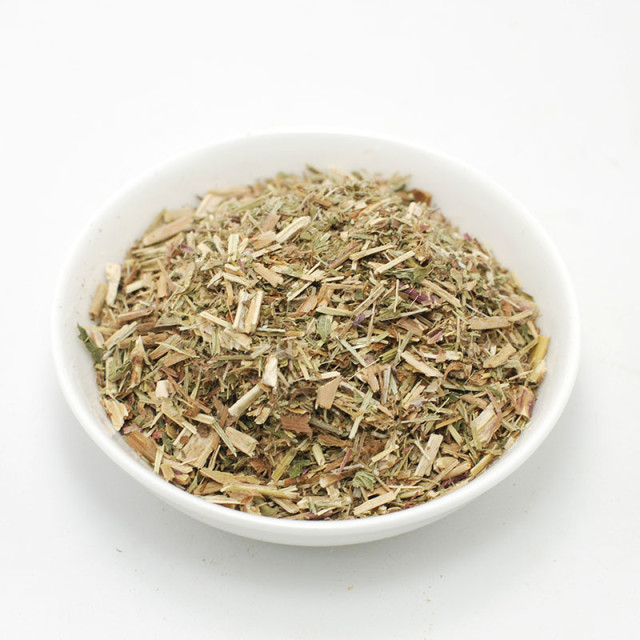
Epilobium herb
2.75€50 g · 3 weights
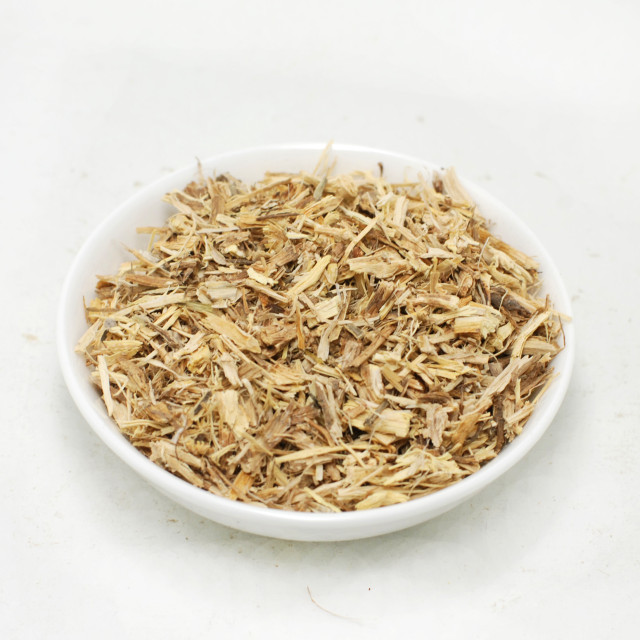
Nettle root
2.95€50 g · 3 weights