Iceland moss
3.45€50 g · 3 weights

 Zoom
Medicinal & Therapeutic Herbs
Smilax sp. (chiefly Smilax glabra, Smilax officinalis)
Also known as: Sarsaparilla, Smilax, Chinaroot, greenbrier, arkoudovatos.
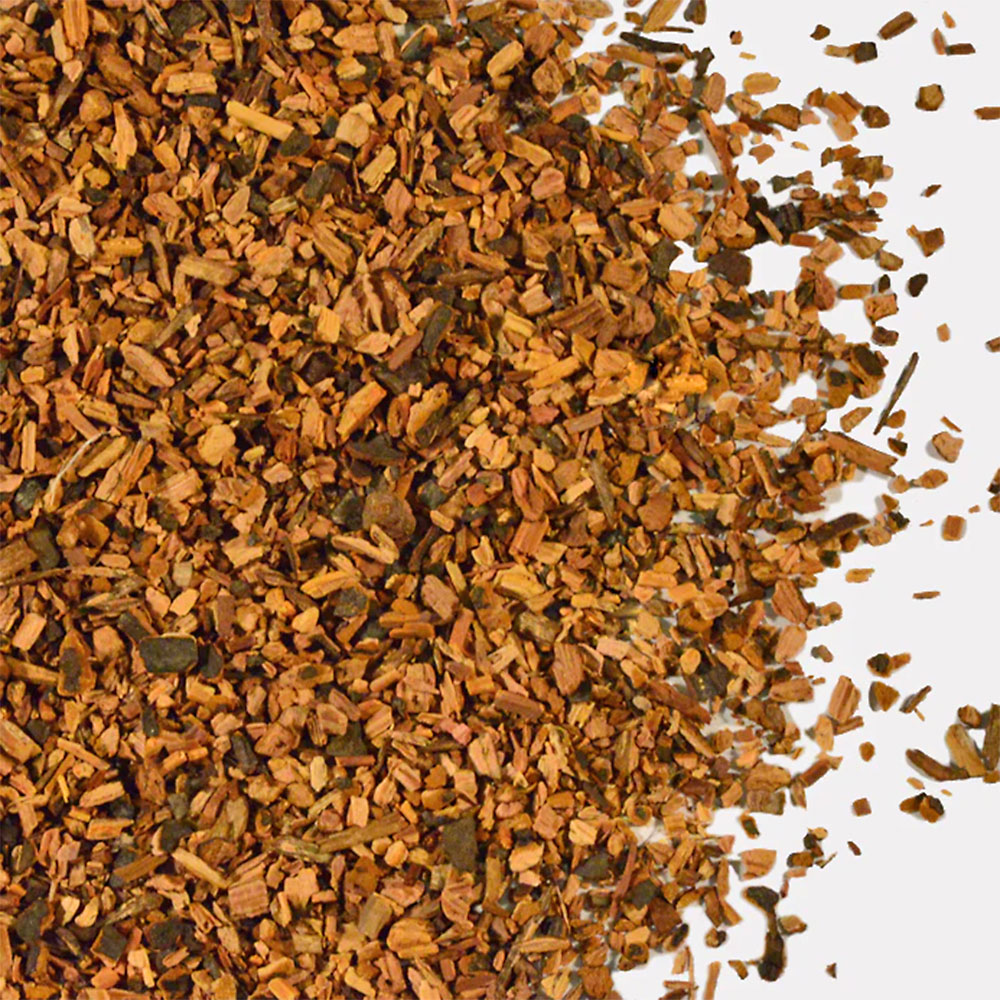
Sarsaparilla is the root of a climbing plant of the genus Smilax, known in both American and Asian traditions. It concerns mainly those looking for support with skin conditions such as psoriasis and eczema, and with rheumatic complaints of the joints.
Send us a message and we reply within one working day. Or call us on (+30) 2610 221354 during shop hours.
Send a message(+30) 2610 221354Sarsaparilla is the root of a climbing plant of the genus Smilax, known in both American and Asian traditions. It concerns mainly those looking for support with skin conditions such as psoriasis and eczema, and with rheumatic complaints of the joints. In older herbal practice it was classed among the "blood cleansers", that is, herbs thought to act on the body as a whole rather than on a single symptom.
The root is characterised as anti-inflammatory, a broad-spectrum alterative, antimicrobial and hepatoprotective, with additional diuretic and diaphoretic action. This character rests on steroidal saponins, characteristically sarsasapogenin, together with flavonoids, phenolic compounds and phytosterols.
The saponins are associated with reduced joint pain and skin itching, while laboratory work on more than sixty phenolic compounds from the root identified eighteen with antimicrobial activity against six bacterial species and one against a fungus. There is also research interest in tumour cell lines; the data remain preclinical. The root is further used as a synergist in herbal blends, since its saponins are thought to aid absorption of the other constituents. Human studies are either very old or absent.
The root is traditionally associated with psoriasis, eczema, dermatitis and itching, with arthritis, rheumatoid arthritis, gout and joint swelling, and with liver protection. In historical herbal practice it was also used for serious infectious diseases of the period, such as syphilis and Hansen's disease — references that belong to their historical context and not to present-day practice.
The root is taken as a decoction in cycles and is appreciated in wellness routines focused on skin balance, joint comfort and liver function. It is also common as an ingredient in compound herbal blends. The taste is bittersweet and mildly aromatic.
Decoction: 1–2 teaspoons of root in one cup of water. Bring to the boil, lower the heat and simmer for 10–15 minutes. Strain and drink three times daily. The root is hard and requires simmering, not a simple infusion.
Quantities are indicative, based on traditional use and published herbal literature. For prolonged use or if you are on medication, consult a health professional.
Saponins can irritate the gastrointestinal lining: large amounts bring nausea and stomach discomfort. Avoided in active gastritis or ulcer. Because of its diuretic action, caution in kidney disease and with diuretic or lithium therapy. Saponins increase the absorption of other substances, so leave two hours between the root and any medication. Avoided in pregnancy and breastfeeding for lack of data. Self-treatment is limited to cycles of a few weeks; skin and joint conditions need medical diagnosis.
Because it is hard and woody. Its saponins and phenolic compounds are released only by simmering for 10–15 minutes; hot water alone is not enough.
In traditional use the root is taken in cycles of a few weeks rather than as a one-off remedy. Skin conditions such as psoriasis need medical follow-up alongside.
The saponins in the root are thought to aid absorption of the other herbs in a mixture. That is why sarsaparilla is often added to compound formulas rather than used alone.
Have you tried Sarsaparilla root? Tell us what you think.
3.45€50 g · 3 weights
1.25€50 g · 3 weights
1.25€50 g · 3 weights
3.80€50 g · 3 weights