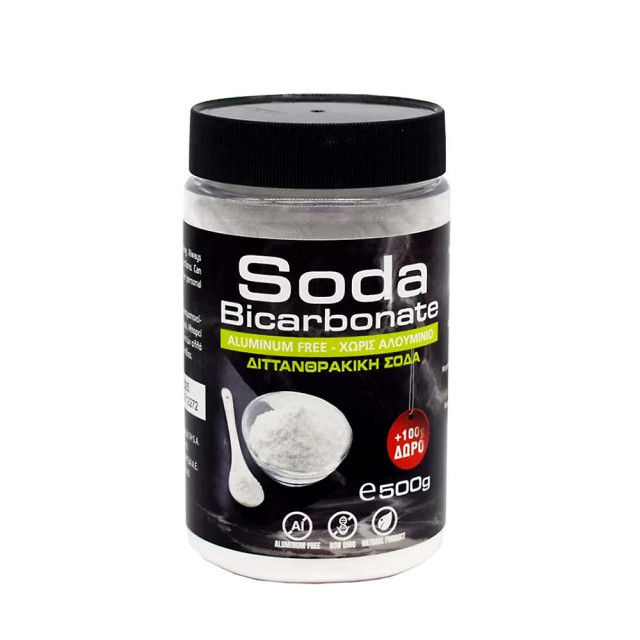
The Well-Known & Lesser-Known Uses of Baking Soda
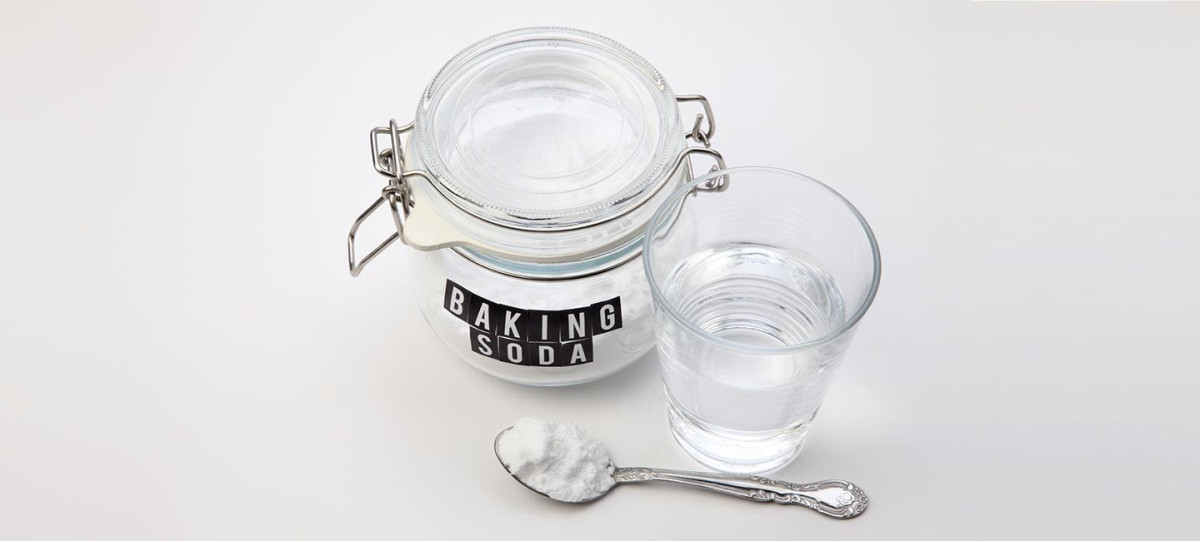
The well-known & lesser-known uses of baking soda for wellbeing
Digestion, kidney function, exercise, alkalising and more
Baking soda (sodium bicarbonate) is best known as a raising agent in cooking and baking and as an excellent cleaner and stain remover, but it also has a number of uses related to health. Sodium bicarbonate is sometimes used as a food supplement because it provides dietary bicarbonate. Bicarbonate is normally produced by the kidneys and acts as an acid buffer in the body.

The main health-related uses of baking soda
1. Heartburn, indigestion and other digestive complaints
Baking soda is a well-known option for heartburn, so much so that manufacturers of conventional heartburn remedies include sodium bicarbonate in their formulas. Baking soda is commonly used as an antacid for heartburn and indigestion. When taken, it reacts with stomach acid to produce carbon dioxide, which neutralises excess acid and can ease the symptoms of acid reflux.
Because baking soda neutralises stomach acid, it is also sometimes used in relation to ulcer discomfort. Talk to your doctor first.
2. An alkalising agent
Baking soda is naturally alkaline. Some people believe that small amounts of baking soda can help alkalise the body and neutralise acidity. However, moderation is key here too, because too much can upset the body's natural pH balance.
3. Kidney health
Baking soda is sometimes used, under medical supervision, in certain kidney conditions such as kidney stones or chronic kidney disease. It can help make urine more alkaline, which may help prevent certain types of kidney stones from forming. Its use for kidney health should always be supervised by a health professional.

4. Urinary tract discomfort
According to US health authorities, urinary tract infections are among the most common infections, and as the Mayo Clinic points out, women are at greater risk of developing a UTI than men.
A study published in 2017 looked at the effects of baking soda in women with lower urinary tract symptoms and acidic urine (pH below 6). After four weeks of taking it by mouth, the researchers found that the participants' urine had become more alkaline and there was "a significant level of positive effects on symptoms and symptom scores".
Overall, baking soda appears to be a simple, inexpensive option studied in relation to urinary symptoms linked to acidic urine. If you have symptoms of a urinary tract infection, see your doctor.
5. Muscle aches and tiredness after exercise
Baking soda can also play a part in your exercise routine. Soaking in a warm bath with half a cup of baking soda is said to help counter the lactic acid that builds up in the muscles after training.
Some studies have also looked at taking it by mouth in relation to post-workout fatigue, and at its potential role in athletic performance when taken before exercise.
6. Antifungal and antibacterial properties
Baking soda has been shown to act against bacteria such as Streptococcus mutans, which is linked to tooth decay. It is also studied for its activity against various groups of fungi, including yeasts, dermatophytes and moulds involved in skin and nail infections.
Other uses include dental care, skin care, body care and much more!

How much baking soda to take
A quarter to half a teaspoon, fully dissolved in a glass of water, is usually enough for digestive complaints such as excess acidity. For specific conditions and long-standing problems, the amount may be adjusted, but you should consult a health professional.
In conclusion, this humble kitchen staple has many uses: from digestive comfort to dental care, and from sport to everyday body care, it is a natural, inexpensive option for a range of needs.
Important tips if you decide to take baking soda by mouth
Drink the baking soda and water mixture slowly (not in one go).
Avoid:
- drinking a mixture in which the baking soda has not fully dissolved
- taking higher amounts without professional supervision
- taking the maximum amount for more than two weeks
- taking baking soda straight after a meal
If you have oedema (swelling), liver disease, kidney disease or high blood pressure, you should not take it by mouth. You should also avoid it if you are pregnant or breastfeeding.
The above is for information only and does not constitute medical advice. Consult your own doctor or a qualified practitioner about any health problem you have.