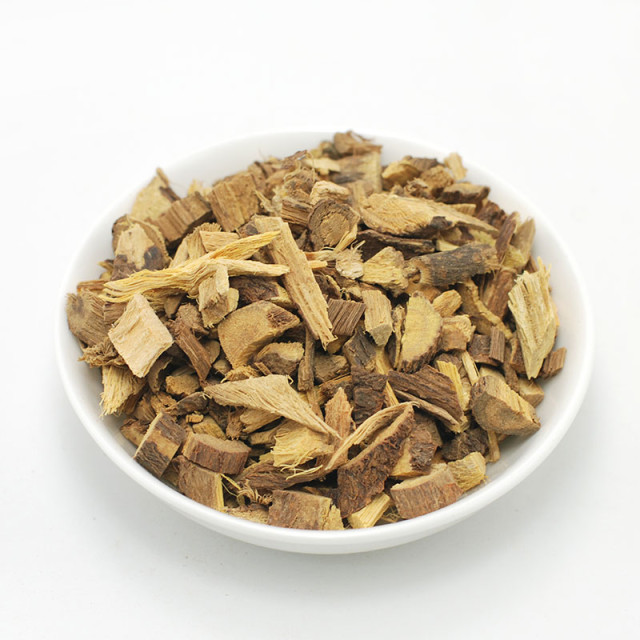
Bark decoction
Gently simmer 2–3 g, about 1 teaspoon, in 200 ml water for 10–15 minutes. Strain and take up to 3 times daily. Use for no more than 3 days for fever or headache; use for pain up to 4 weeks only with reassessment.

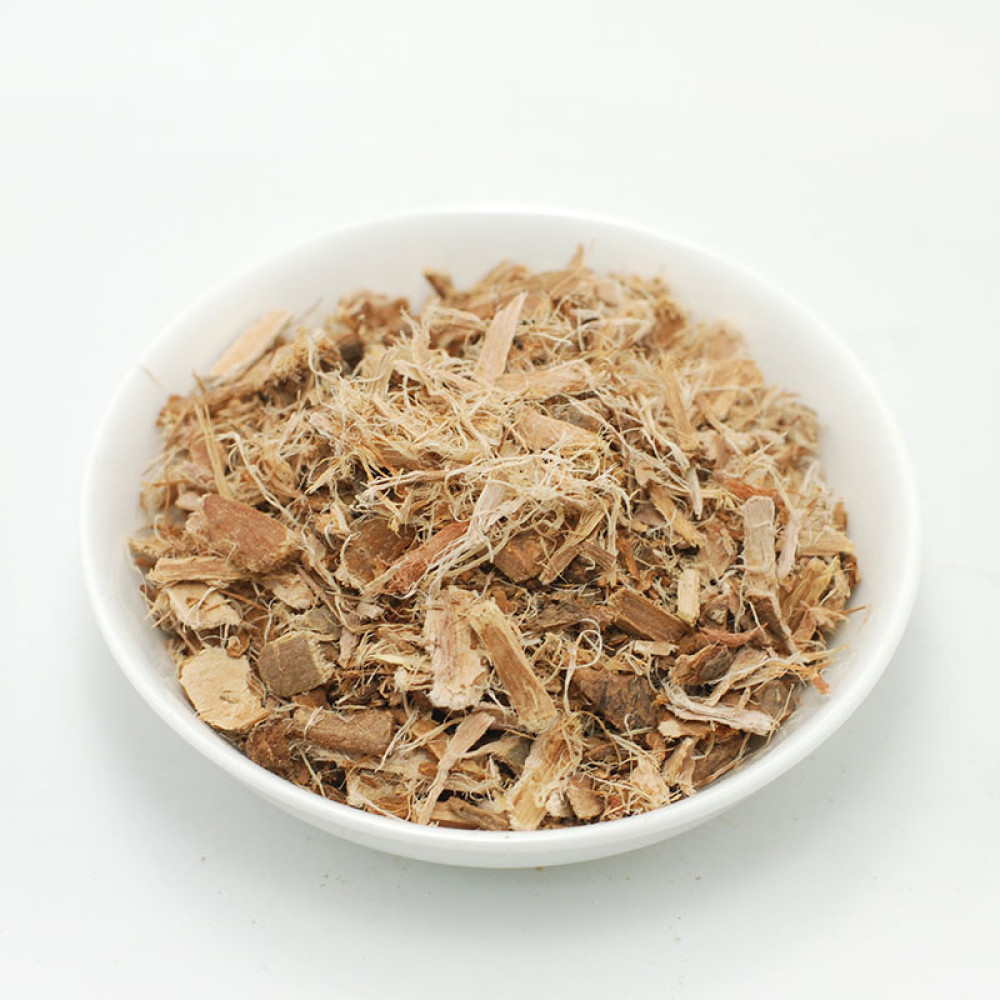 Zoom
Medicinal & Therapeutic Herbs
Salix alba L.
Also known as: white willow, salix bark. In Greek: ιτιά φλοιός.
White willow bark is the classic herbal source of salicin. It is traditionally used for short-term relief of mild pain, headache, fever and inflammatory discomfort of joints or back.
Send us a message and we reply within one working day. Or call us on (+30) 2610 221354 during shop hours.
Send a message(+30) 2610 221354White willow bark is the classic herbal source of salicin. It is traditionally used for short-term relief of mild pain, headache, fever and inflammatory discomfort of joints or back.
Traditional literature describes willow bark as anti-inflammatory, analgesic, antipyretic, antirheumatic and astringent. Salicin is metabolised to salicylates, but the bark is not acetylsalicylic acid and content varies between batches.
Recorded uses of the herb include:
Acute or unexplained pain requires diagnosis.
It is used for a limited period rather than daily on a long-term basis. Its effect may develop more slowly than a pharmaceutical analgesic because it depends on salicin conversion and the bark's actual content.
Gently simmer 2–3 g, about 1 teaspoon, in 200 ml water for 10–15 minutes. Strain and take up to 3 times daily. Use for no more than 3 days for fever or headache; use for pain up to 4 weeks only with reassessment.
The quantities are indicative and are based on traditional use and published phytotherapy literature. For prolonged use or when taking medication, consult a qualified healthcare professional.
For joints it is traditionally combined with devil's claw or nettle, with added attention to gastric and medicine interactions. Do not combine with ginkgo, garlic or other herbs affecting clotting.
The bark contains salicin, related to salicylates, but it is not aspirin and is not dosed as an aspirin tablet.
Use for fever or headache for up to 3 days; longer use for other pain requires reassessment.
People with aspirin allergy, ulcers or bleeding disorders, as well as under-18s and those pregnant or breastfeeding.
Have you tried Willow bark? Tell us what you think.
3.20€50 g · 3 weights
2.60€50 g · 3 weights
2.45€50 g · 3 weights
2.10€50 g · 3 weights