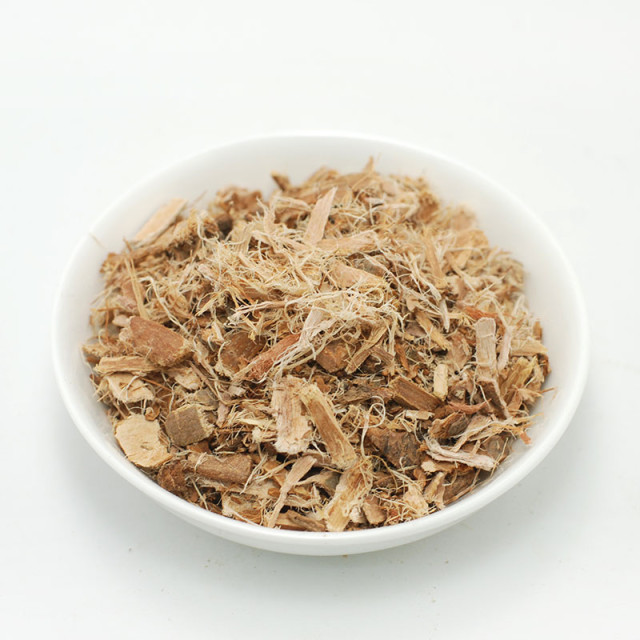
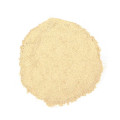
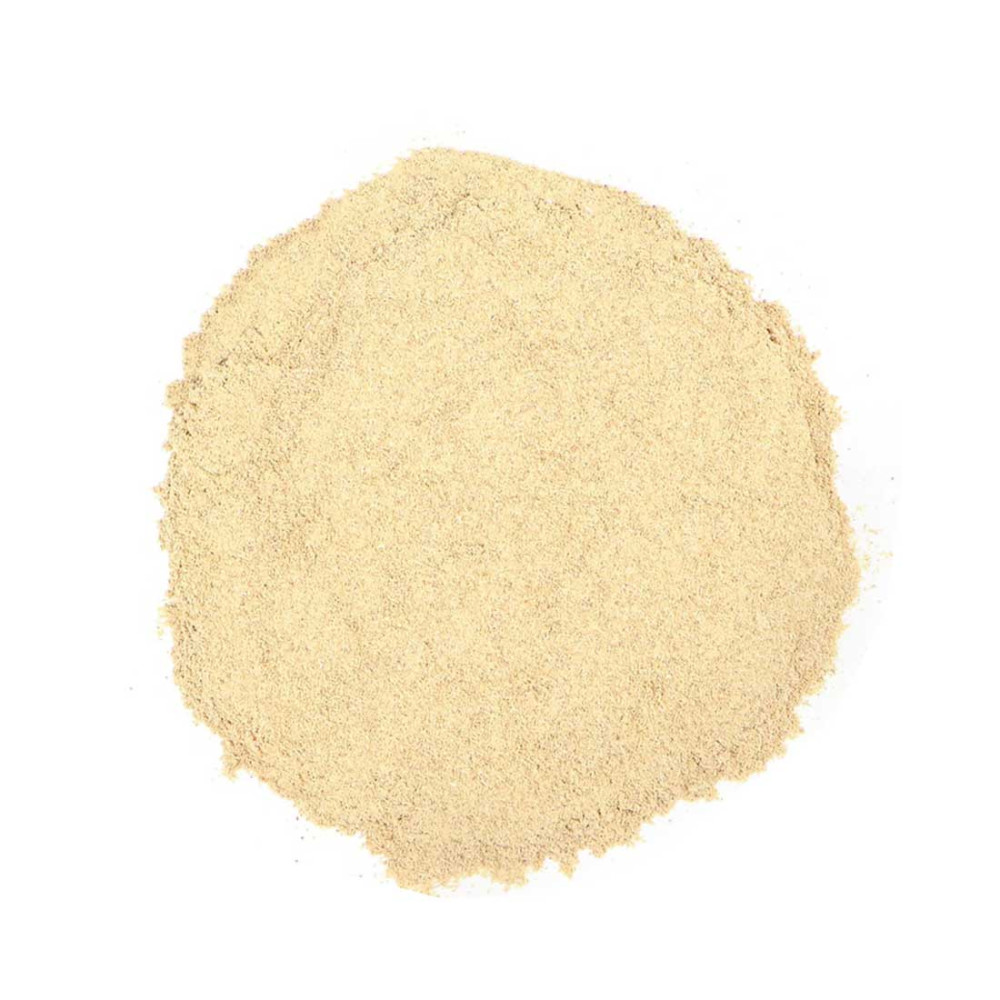
Powdered bark
1–3 g of powder (roughly ½ to 1 level teaspoon) dissolved in water or juice, 3 times a day after meals. Typical daily total: 3–9 g, providing 120–240 mg of salicin per day, within the range of the EMA/HMPC monograph for Salicis cortex.

 Zoom
Medicinal & Therapeutic Herbs
Salix alba L.
Also known as: white willow, willow bark, common willow, European willow, Salix alba, itia (transliteration).
White willow (Salix alba) is a tree native to temperate Europe and Western Asia. Its bark powder is the historical source of salicylate compounds and has been used traditionally for fever, musculoskeletal inflammation and headache.
Send us a message and we reply within one working day. Or call us on (+30) 2610 221354 during shop hours.
Send a message(+30) 2610 221354White willow (Salix alba) is a tree native to temperate Europe and Western Asia. Its bark powder is the historical source of salicylate compounds and has been used traditionally for fever, musculoskeletal inflammation and headache.
Analgesic, antipyretic, anti-inflammatory, antirheumatic, astringent. The character of the bark is defined by salicin, which is metabolised in the body to salicylic acid.
For musculoskeletal pain, low back pain arising from inflammation of the joints, pain and stiffness of arthritis and osteoarthritis, headaches and migraines, neuralgia and pain in general, as well as mild fever and accompanying cold symptoms.
Traditionally as a decoction or powder in water/juice for pain and inflammation. It has a slow, gentle profile — unlike acetylsalicylic acid, it does not affect the gastric mucosa to the same extent, since conversion to salicylic acid takes place after absorption.
Traditionally combined with devil's claw and turmeric for arthritic pain, and with linden and elderflower for mild fever as diaphoretic teas.
1–3 g of powder (roughly ½ to 1 level teaspoon) dissolved in water or juice, 3 times a day after meals. Typical daily total: 3–9 g, providing 120–240 mg of salicin per day, within the range of the EMA/HMPC monograph for Salicis cortex.
Simmer 2–3 g of powder in 250 ml of water for 5 minutes, strain, and drink 2–3 times a day.
For symptomatic use in acute pain: up to 4 weeks. Beyond that, reassessment by a health professional is needed.
The amounts given are indicative, based on traditional use and published phytotherapy literature. For prolonged use or if you are on medication, consult a qualified health professional.
Because of its salicylate content, willow bark is contraindicated in people with allergy to aspirin or NSAIDs, active peptic ulcer or gastritis, bleeding disorders, or on anticoagulant or antiplatelet therapy. It is not given to children and adolescents up to 16 years during viral illness (risk of Reye's syndrome). It is not recommended during pregnancy or breastfeeding. It may affect methotrexate, gout medication and some antihypertensives. Stop at least 1 week before planned surgery.
½ to 1 teaspoon of powder in water or juice, 3 times a day after meals. Relief is gradual, not immediate — expect several days of regular use. For use beyond 4 weeks, seek medical advice.
Not exactly. The bark contains salicin, not acetylsalicylic acid. Salicin is metabolised to salicylic acid after absorption, so the action is slower and generally gentler on the stomach. It does not, however, have the antiplatelet effect of aspirin.
Anyone with aspirin or NSAID allergy, stomach ulcer or gastritis, on anticoagulant therapy, pregnant or breastfeeding women, and children and adolescents up to 16 years during viral illness (Reye's syndrome).
Have you tried White willow bark powder? Tell us what you think.
3.20€50 g · 3 weights
2.22€50 g · 3 weights
2.00€50 g · 3 weights
2.70€