A Natural Approach to Triglycerides and Cholesterol
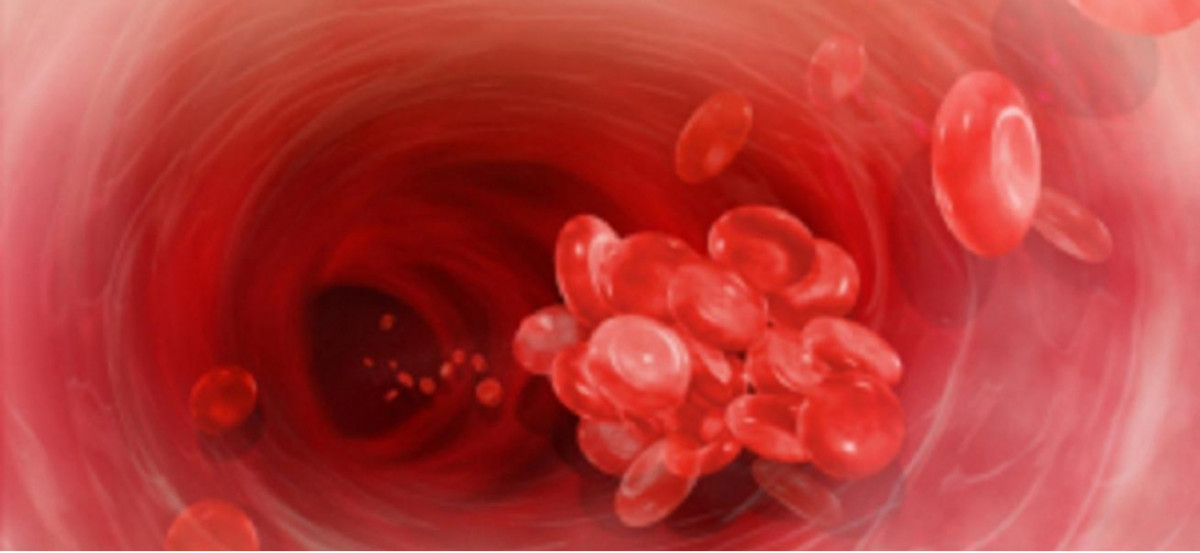
A natural approach to triglycerides and cholesterol
Raised triglyceride levels have been linked with cardiovascular problems that may put our health at risk. Alongside a balanced diet and regular exercise, many people like to include well-known herbal teas and carefully chosen food supplements in their routine. Here is our selection:
Oolong tea
Oolong is naturally rich in polyphenols, which are studied in relation to the enzymes that break down triglycerides and to fat metabolism. A delicious, aromatic cup to enjoy every day.
Artichoke
One of the best-known herbs for the liver and digestion. Artichoke leaf is recognised by the European Medicines Agency as a traditional herbal remedy for relieving digestive discomfort such as a feeling of fullness and bloating, and it is studied in relation to healthy cholesterol, triglyceride and blood sugar levels.
Rosemary
Rosemary is naturally rich in antioxidants and has been studied in relation to blood lipids, including triglycerides, total, LDL and HDL cholesterol, as well as blood glucose. Its fresh, aromatic flavour also makes it a lovely addition to a herbal tea blend.
Hawthorn
A plant naturally rich in antioxidants, traditionally considered the heart herb above all others. It is studied in relation to triglycerides and LDL cholesterol and appreciated in routines focused on healthy blood pressure.
How to use them
Mix equal parts of the herbs above and enjoy them as an infusion: add 1 teaspoon of the blend to a cup of boiling water, cover and leave for 10–15 minutes. Strain and drink 2–3 cups a day. If you take medication for blood pressure, your heart or cholesterol, speak to your doctor first, as hawthorn may interact with it.
Food supplements
One important food supplement, which your doctor may also recommend, is cod liver oil / fish oil. It is a rich natural source of the omega-3 fatty acids DHA and EPA, which contribute to the maintenance of normal blood triglyceride levels (the beneficial effect is obtained with a daily intake of 2 g of EPA and DHA; a supplemental intake of 5 g a day of EPA and DHA combined should not be exceeded) and to the normal function of the heart (with a daily intake of 250 mg of EPA and DHA). It also provides vitamin D, which contributes to the maintenance of normal bones and muscle function, vitamin A, which contributes to the maintenance of normal vision, and vitamin E, which contributes to the protection of cells from oxidative stress. That makes it a great all-round supplement for all ages.
* This article is for information purposes only and is not medical advice. For any medical matter concerning your health, please speak to your own doctor.