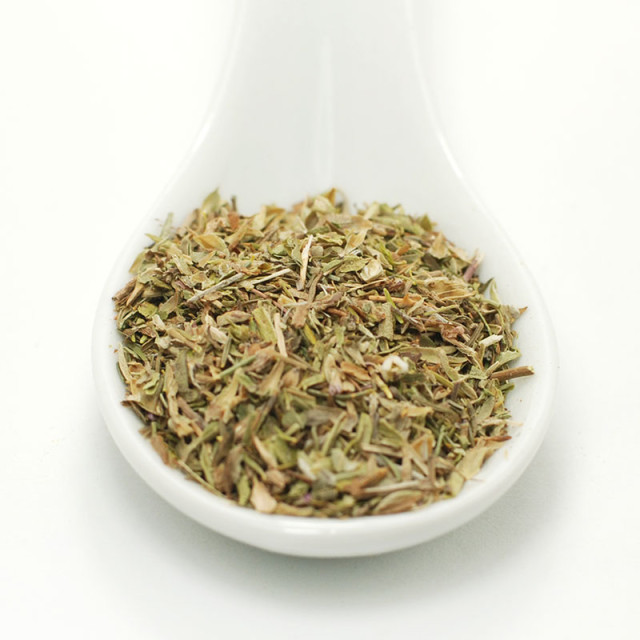
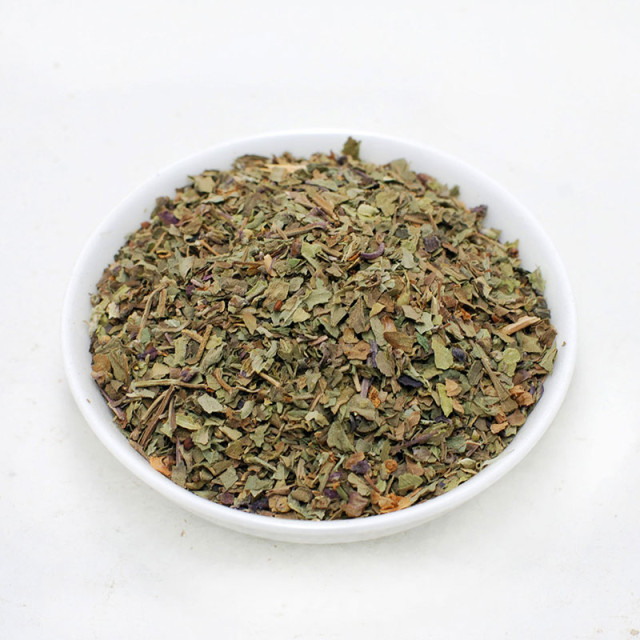
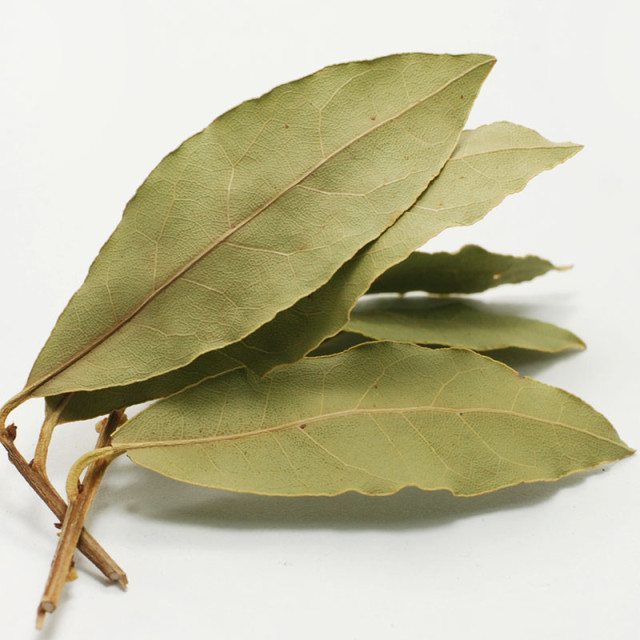
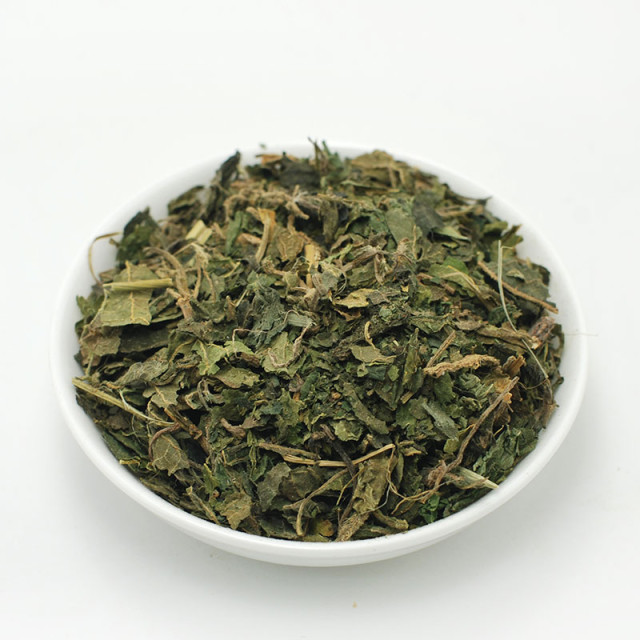
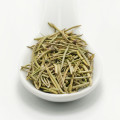
Leaf tea
Add 1–2 g of dried leaves to 200 ml boiling water, cover for 5–10 minutes and strain. Drink 1–2 times daily, preferably after food. In cooking, use a small amount according to the recipe.

 BIOGreek Zoom
Medicinal & Therapeutic Herbs
Salvia rosmarinus Spenn. (syn. Rosmarinus officinalis L.)
Also known as: rosemary, compass plant. In Greek: δεντρολίβανο.
Rosemary is one of the Mediterranean's most recognisable aromatic plants. Its leaves are used every day in cooking and traditionally as tea for mild indigestion, bloating and a feeling of tiredness.
Send us a message and we reply within one working day. Or call us on (+30) 2610 221354 during shop hours.
Send a message(+30) 2610 221354Rosemary is one of the Mediterranean's most recognisable aromatic plants. Its leaves are used every day in cooking and traditionally as tea for mild indigestion, bloating and a feeling of tiredness.
Rosemary is described as antimicrobial, antifungal, antirheumatic, antioxidant and an aromatic tonic for the body, digestion and nervous system. In laboratory and preclinical studies, carnosic and rosmarinic acids have been examined in relation to oxidative stress, inflammation and inhibition of cell growth.
Recorded uses of the herb include:
Human clinical studies have examined the aroma or essential oil in relation to memory, concentration and mood, while hair rinses are traditionally used for hair loss. Internal use here concerns the leaves only.
For digestion and bloating it is chosen after food, and for its tonic character earlier in the day.
In cooking it pairs especially well with roast lamb, snails, potatoes, salads and sauces, and flavours oils or vinegars.
Add 1–2 g of dried leaves to 200 ml boiling water, cover for 5–10 minutes and strain. Drink 1–2 times daily, preferably after food. In cooking, use a small amount according to the recipe.
The quantities are indicative and are based on traditional use and published phytotherapy literature. For prolonged use or when taking medication, consult a qualified healthcare professional.
In cooking it pairs with bay, thyme, sage and lemon. For a mild digestive tea it may be combined with peppermint or chamomile, without adding essential oil.
Traditionally it is taken after food for mild indigestion and bloating or earlier for its tonic character.
Yes. They suit lamb, snails, potatoes, salads and sauces and can flavour oil or vinegar.
No. It applies only to dried leaves; essential oil is a different and much more concentrated form.
Have you tried Greek organic rosemary leaves? Tell us what you think.
1.45€50 g · 3 weights
1.30€50 g · 3 weights
1.64€50 g · 3 weights
2.03€50 g · 3 weights