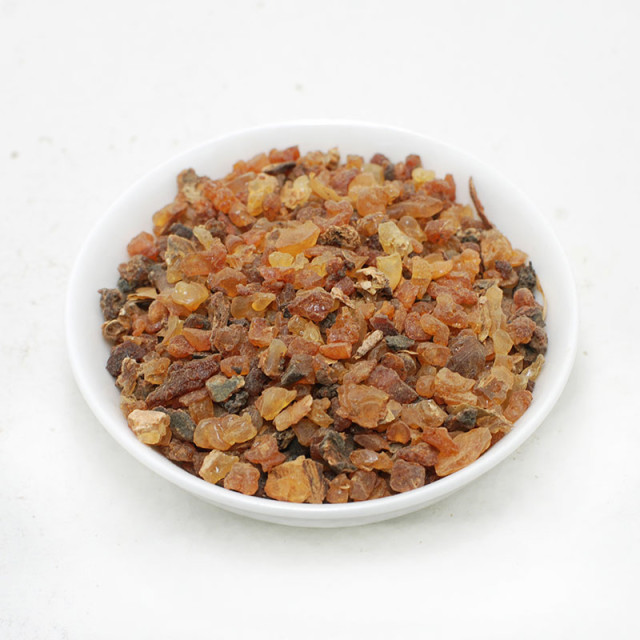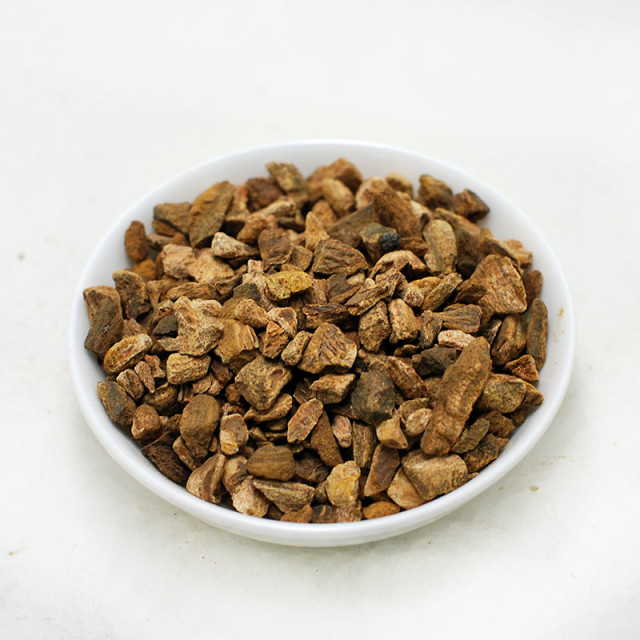
Ethiopian frankincense
2.10€50 g · 3 weights

 Zoom
Medicinal & Therapeutic Herbs
Alkanna tinctoria (L.) Tausch
Also known as: Alkanet, dyer's bugloss, alkanna, hava cıva, alkanet root.
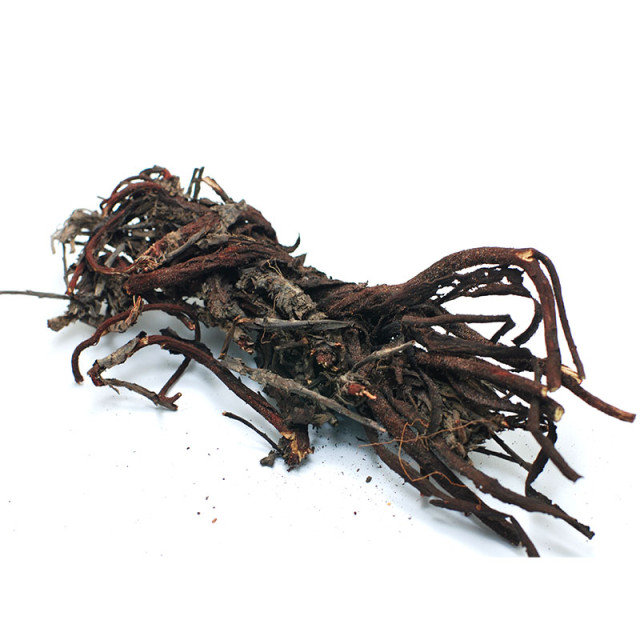
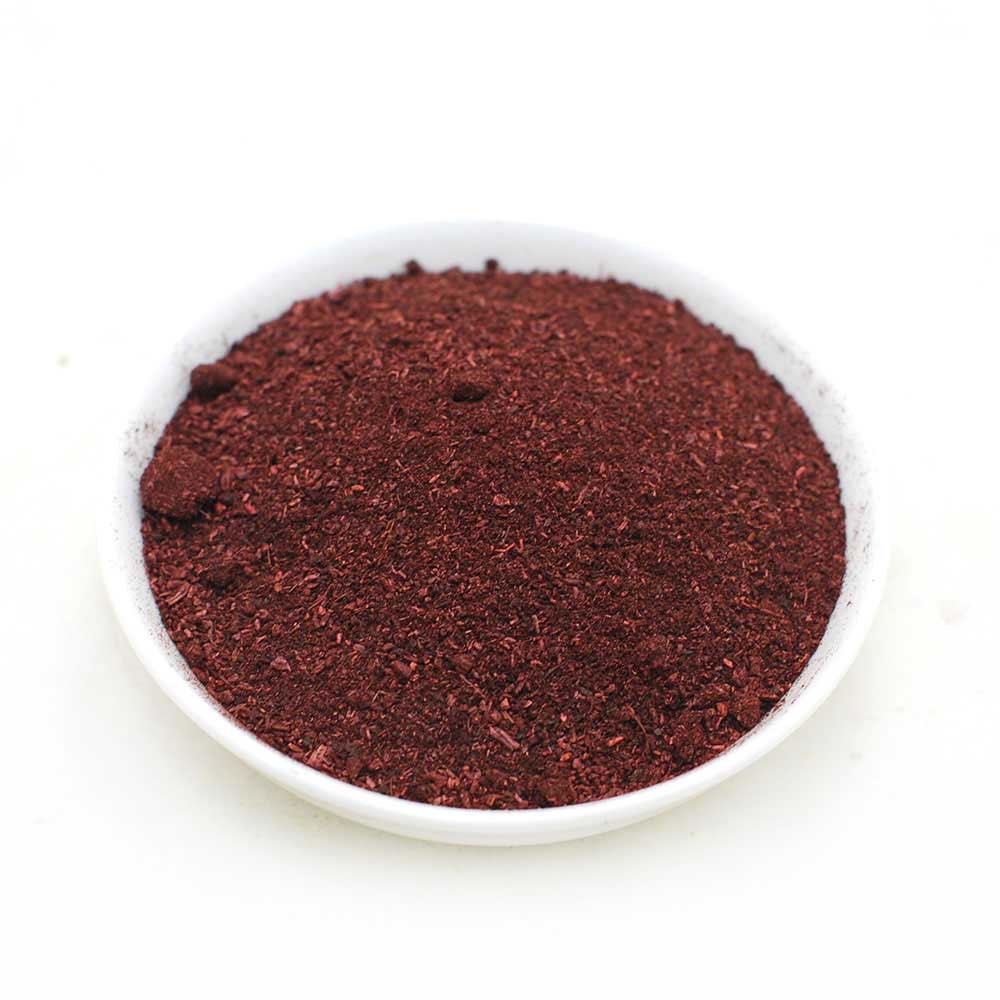
Alkanet is the root of a Mediterranean plant, offered as a powder, and is a natural source of red pigment. It is supplied as a raw material for external use only: used to colour cosmetic preparations and oils, and in traditional healing salves. It is not intended for ingestion.
Send us a message and we reply within one working day. Or call us on (+30) 2610 221354 during shop hours.
Send a message(+30) 2610 221354Alkanet is the root of a Mediterranean plant, offered as a powder, and is a natural source of red pigment. It is supplied as a raw material for external use only: used to colour cosmetic preparations and oils, and in traditional healing salves. It is not intended for ingestion. It contains pyrrolizidine alkaloids, which are hepatotoxic.
The root is characterised as a colourant, astringent and wound-healing in topical application. The colour comes from alkannin, a naphthoquinone soluble in fats and alcohol but not in water — which is why dyeing always uses an oily or alcoholic base. That same compound and its derivatives have been studied for their action in wound healing. The root has also shown free radical scavenging activity, suggesting possible anti-ageing effects in topical use.
For anyone making cosmetics with a natural colourant — oils, salves, lip colour, soaps — and for those interested in the traditional topical use on skin wounds, acne and eczema.
The classic use is colouring vegetable oils: the powder is left in oil, which takes on a deep red to purple colour and is then worked into salves, balms or soaps. Traditionally the dye root was also used for wood, textiles and to colour drinks and wine — uses that no longer apply today, because of the alkaloids.
The powder is added to vegetable oil and left in a dark place until the colour develops. The oil is then strained well so no particulate root material carries into the final preparation. Intensity is controlled by ratio and time.
The pigment does not dissolve in water. In aqueous preparations it gives no colour; an oily or alcoholic base is required.
External use only. The root contains pyrrolizidine alkaloids, which are hepatotoxic and cumulative. The traditional internal use for diarrhoea and gastric ulcers is historically documented but contraindicated: it is not taken by mouth, neither as an infusion nor in preparations. The pyrrolizidine alkaloids in the root are substrates for the cytochrome P450 3A4 isoenzyme, so they can affect drug metabolism.
Absolute avoidance in pregnancy and breastfeeding, even externally over large areas. Not applied to open wounds or extensively damaged skin, where absorption increases. Patch test a small area before first use. The powder stains skin, clothing and surfaces strongly. Not given to children.
No. The root contains pyrrolizidine alkaloids, which are hepatotoxic and cumulative. It is supplied strictly as a raw material for external use.
Because alkannin is soluble in fats and alcohol, not water. An oily or alcoholic base is needed for the colour to develop.
The powder sits in vegetable oil in a dark place until the colour develops, then the oil is strained well. Intensity is controlled by the ratio and the steeping time.
Have you tried Alkanna tinctoria root powder? Tell us what you think.
2.10€50 g · 3 weights
6.10€50 g · 3 weights
3.50€50 g · 3 weights
4.50€50 g · 3 weights