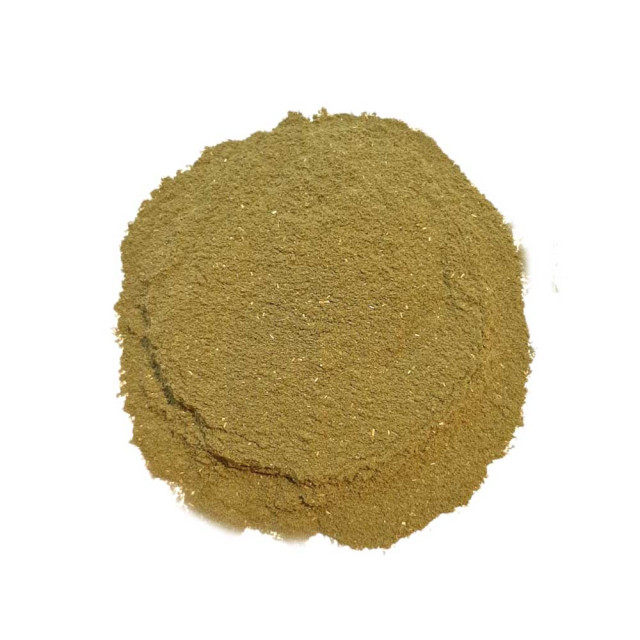
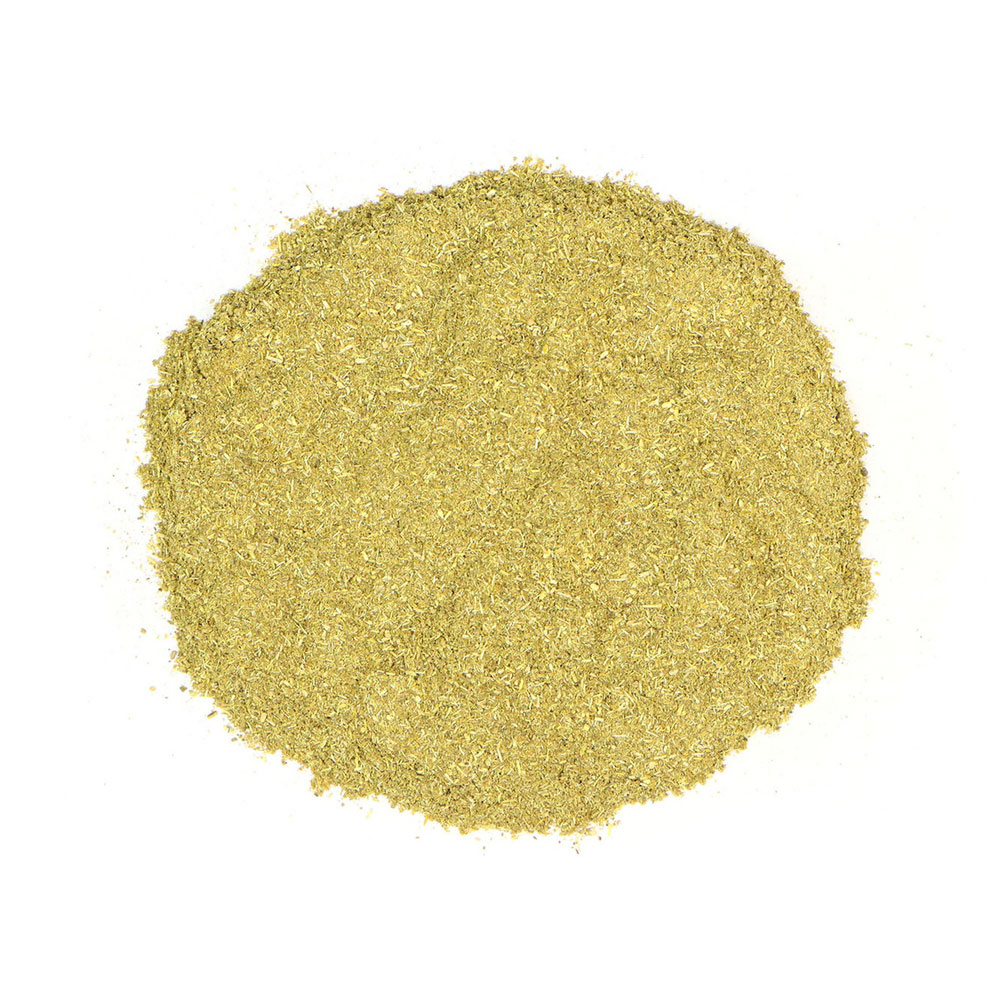
Root powder
Dissolve 1 level teaspoon of barberry powder (about 1–2 g) in water, juice or a smoothie. Drink 2–3 times a day, before meals.

 Bestseller Zoom
Medicinal & Therapeutic Herbs
Berberis vulgaris L.
Also known as: barberry, common barberry, European barberry, Berberis vulgaris, berberis, berberida (Greek transliterations).
Barberry (Berberis vulgaris) is a shrub of temperate Europe and Western Asia. The root powder is a significant source of berberine, the plant's main active compound — a substance also extracted from other plants such as goldenseal, with a long history of use in Traditional Chinese Medicine.
Send us a message and we reply within one working day. Or call us on (+30) 2610 221354 during shop hours.
Send a message(+30) 2610 221354Barberry (Berberis vulgaris) is a shrub of temperate Europe and Western Asia. The root powder is a significant source of berberine, the plant's main active compound — a substance also extracted from other plants such as goldenseal, with a long history of use in Traditional Chinese Medicine. It is used for the liver, gallbladder, blood sugar, cholesterol and gut flora.
Cholagogue, antiemetic, bitter tonic, mild laxative, antidiabetic. It reduces insulin resistance and increases beneficial gut bacteria. In the folk medicine of Iran it was credited with antibacterial, antipyretic, antipruritic and antiarrhythmic properties.
Inside cells berberine has diverse functions. One of the principal ones is activation of an important enzyme called AMPK, which regulates metabolism. It also has strong antioxidant and anti-inflammatory action.
For chronic inflammatory conditions of the liver, gallbladder and kidneys and for rheumatoid arthritis — uses documented in Bulgarian folk medicine. For blood sugar and HbA1c, insulin resistance, cholesterol, triglycerides, HDL, blood pressure, metabolic syndrome and obesity. Also for dyspepsia, gallstones, fatty liver, infections — with specific reference to infections linked to acne — and enlarged spleen.
As a bitter digestive before meals to stimulate bile production and support liver function, or as part of a protocol for the gut flora. In one study berberine reduced intestinal barrier permeability and appears to act as a kind of "super-fertiliser" for healthy gut flora.
In preclinical studies, a slowing of the growth of certain cancer cells and inhibition of enzymes involved in their life cycle have been documented. Existing research is largely at a preclinical stage.
For blood sugar traditionally with gymnema and cinnamon. As a bitter digestive and hepatic with milk thistle and dandelion. For gut dysbiosis with aromatics such as thyme and oregano.
Dissolve 1 level teaspoon of barberry powder (about 1–2 g) in water, juice or a smoothie. Drink 2–3 times a day, before meals.
Simmer 1–2 g of powder in 200 ml of water for 10 minutes, strain and drink twice a day.
Cycles of 4–6 weeks with a 2-week break. Prolonged continuous use is not recommended without monitoring.
The amounts given are indicative, based on traditional use and published phytotherapy literature. For prolonged use or if you are on medication, consult a qualified health professional.
Overall berberine has a good safety profile. The main side effects relate to digestion: there are reports of diarrhoea, constipation and bloating. It must be avoided during pregnancy — it may cause uterine contractions and miscarriage, and it crosses the placenta and is linked to kernicterus in newborns. It is not recommended for breastfeeding mothers or for very young children. Do not take it with cyclosporine. Berberine inhibits CYP3A4 and CYP2D6 and affects P-gp — possible interactions with statins, antidepressants, anticoagulants, macrolides and digoxin. Under antidiabetic therapy, close blood sugar monitoring is required because of hypoglycaemia risk. Avoid in biliary obstruction. Discontinue at least 2 weeks before surgery. For any medication, ask your doctor.
The root powder is the whole herb: it contains berberine together with palmatine, hydrastine and other synergistic alkaloids. Cardiometabolic studies mostly involve isolated berberine at higher doses; the root has a milder profile and a higher safety margin, closer to traditional use.
Yes, but only after consulting your doctor if you take metformin, other antidiabetics or statins: berberine enhances their effect and can lead to hypoglycaemia. Blood sugar monitoring should be more frequent at the start.
The usual practice is cycles of 4–6 weeks with a 2-week break. Prolonged use requires assessment by a health professional, especially if you take other medication.
Have you tried Barberry root powder 100 g? Tell us what you think.