 Zoom
Medicinal & Therapeutic Herbs
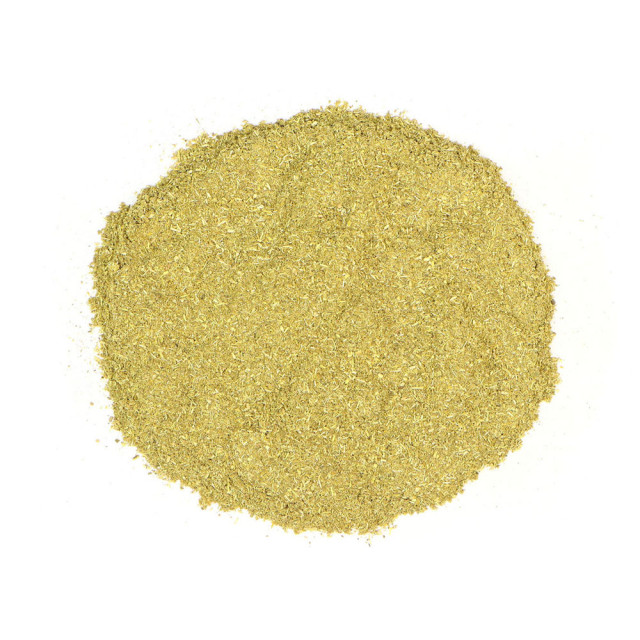
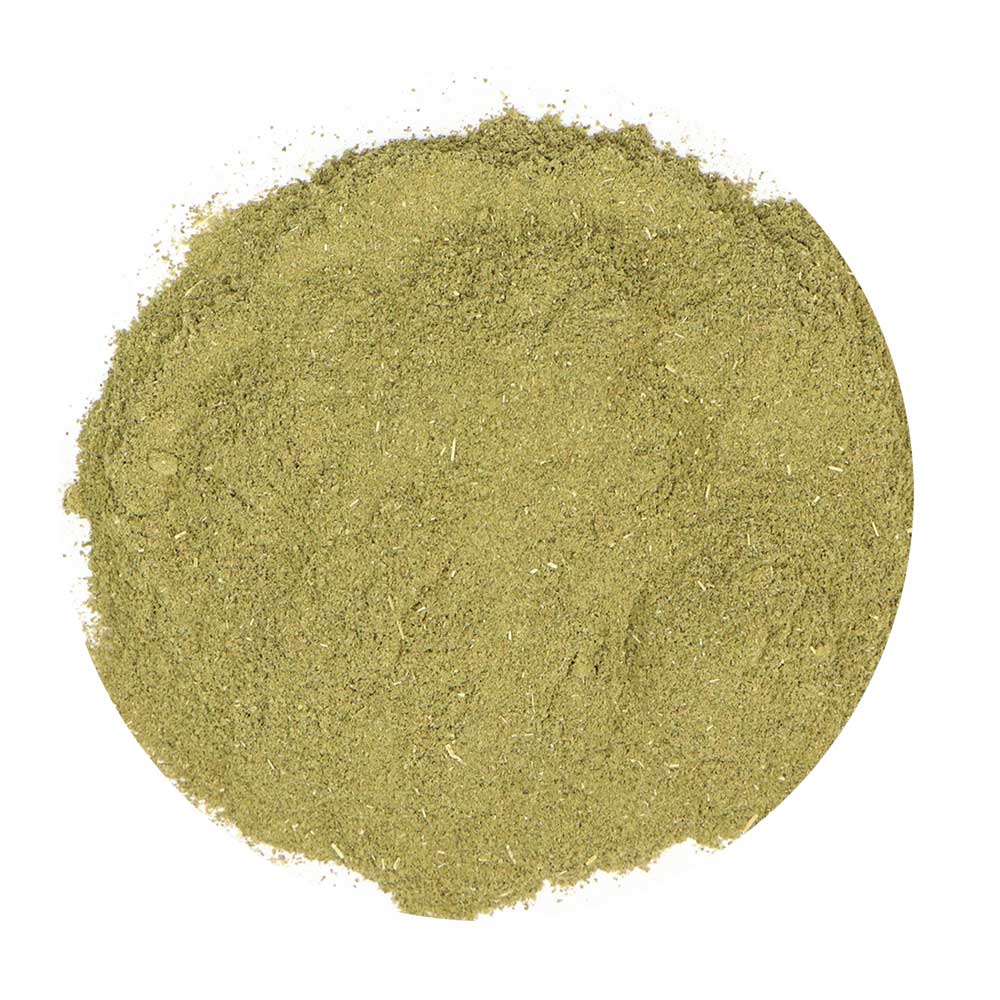
Gynostemma (Jiaogulan) leaf powder 60 g
Gynostemma pentaphyllum (Thunb.) Makino
Also known as: Jiaogulan, Southern ginseng, herb of immortality, gynostemma, five-leaf ginseng.
Gynostemma is the leaf of a climbing plant from China, offered as a powder. Tea from the leaves has been drunk there for centuries as a basic tonic. It appeals to those seeking resilience to stress, vitality and support for blood lipids.
Shipping options
- EU countries: DHL from €18 · free over €200 (first 2 kg, by volumetric weight)
- Cyprus: ACS, BOX NOW or DHL · free with ACS or BOX NOW over €99
- Greece: ACS or ELTA to your door from €4.00 · ACS or BOX NOW lockers from €2.40 · free over €49 (first 3 kg)
- Usually dispatched within 1–2 business days
Payment methods
- Card, Google Pay, Apple Pay, with no extra charge
- Cash on delivery (Cyprus and Greece): ACS +€2.50 · ELTA +€3.50
- IRIS or bank transfer (Greece only)
Send us a message and we reply within one working day. Or call us on (+30) 2610 221354 during shop hours.
Send a message(+30) 2610 221354What it is
Gynostemma is the leaf of a climbing plant from China, offered as a powder. Tea from the leaves has been drunk there for centuries as a basic tonic. It appeals to those seeking resilience to stress, vitality and support for blood lipids. In traditional Chinese medicine it is regarded as a powerful adaptogen, comparable to ginseng — hence the name "Southern ginseng".
Key properties
The herb is characterised as adaptogenic, immunostimulant, anti-inflammatory, antioxidant and lipid-lowering. As an adaptogen it raises the body's resistance and defences in a non-specific way, regulating the neuroendocrine response to stressful events, physical or emotional. Pharmacological studies on crude extracts describe anti-ageing effects and increased physical strength.
This character rests on triterpene saponins, characteristically the gypenosides, together with flavonoids. The gypenosides are associated with neutralising free radicals, while saponins from the extracts have shown an ability to lower "bad" cholesterol in favour of "good".
Uses
Who it is for
The herb is associated with stress and fatigue, with cholesterol and triglycerides, with arteriosclerosis and plaque formation, with blood sugar in diabetes, with liver function in liver disease, with memory and brain function, with migraine, with gastrointestinal disorders, with sexual performance and with pain from chronic inflammatory or autoimmune conditions.
How it is commonly used
The powder is dissolved in liquid and appreciated in wellness routines focused on endurance, immune response to viruses and bacteria, and lipid metabolism. The herb is described as mild and bittersweet, suitable for daily use in small amounts.
The main benefits attributed to it
- Anti-inflammatory. Perhaps its most interesting property, with a capacity to reduce pain from chronic inflammatory or autoimmune conditions.
- Adaptogenic. Adaptogen plants raise the body's resistance and defences in a non-specific way, helping it respond positively to stressful situations, physical or emotional. It is considered very powerful, comparable to Korean ginseng and Ganoderma lucidum.
- Immunostimulant. It improves the immune response to external factors and to attack by viruses and bacteria.
- Anti-ageing. The gypenosides neutralise free radicals, exerting a significant anti-ageing action.
- Cholesterol and triglycerides. A positive effect on lipid metabolism, lowering blood fat levels and deposits in the vessels — hence interest in the plaque formation that leads to arteriosclerosis. Saponins from the extracts have shown a reduction in "bad" cholesterol in favour of "good".
- Stress and migraine. Help in managing stress and reducing migraine is recorded.
- Liver. Increased liver function in patients with liver disease.
- Digestion. Support in gastrointestinal disorders.
- Memory and brain. Improved memory and brain function.
- Blood sugar. Control of blood sugar levels in people with diabetes.
- Improved sexual performance.
- Preclinical research in tumour cell lines is ongoing.
Preparation and dosage
One teaspoon of powder dissolved in water or juice, once daily.
Quantities are indicative, based on traditional use and published herbal literature. For prolonged use or if you are on medication, consult a health professional.
Precautions
The herb is generally considered safe. Not taken in pregnancy or breastfeeding. Contraindicated with anticoagulant medication and in clotting disorders. As an immunostimulant, anyone with an autoimmune condition should consult a specialist before use. Because of its effect on blood sugar, monitoring is needed alongside antidiabetic medication, as it may amplify the reduction in glucose. Liver disease and diabetes require medical follow-up.
Frequently asked questions
What does it mean that Gynostemma is an adaptogen?
That it does not target one symptom but raises the body's resistance in a non-specific way, regulating the neuroendocrine response to stress.
How much is taken per day?
One teaspoon of powder, once a day, dissolved in water or juice.
How does it differ from ginseng?
It belongs to an entirely different family, the gourds, and its actives are gypenosides rather than ginsenosides. The comparison concerns the adaptogenic character, not the composition.
Reviews
Have you tried Gynostemma leaf powder 60 g? Tell us what you think.