 Zoom
Medicinal & Therapeutic Herbs
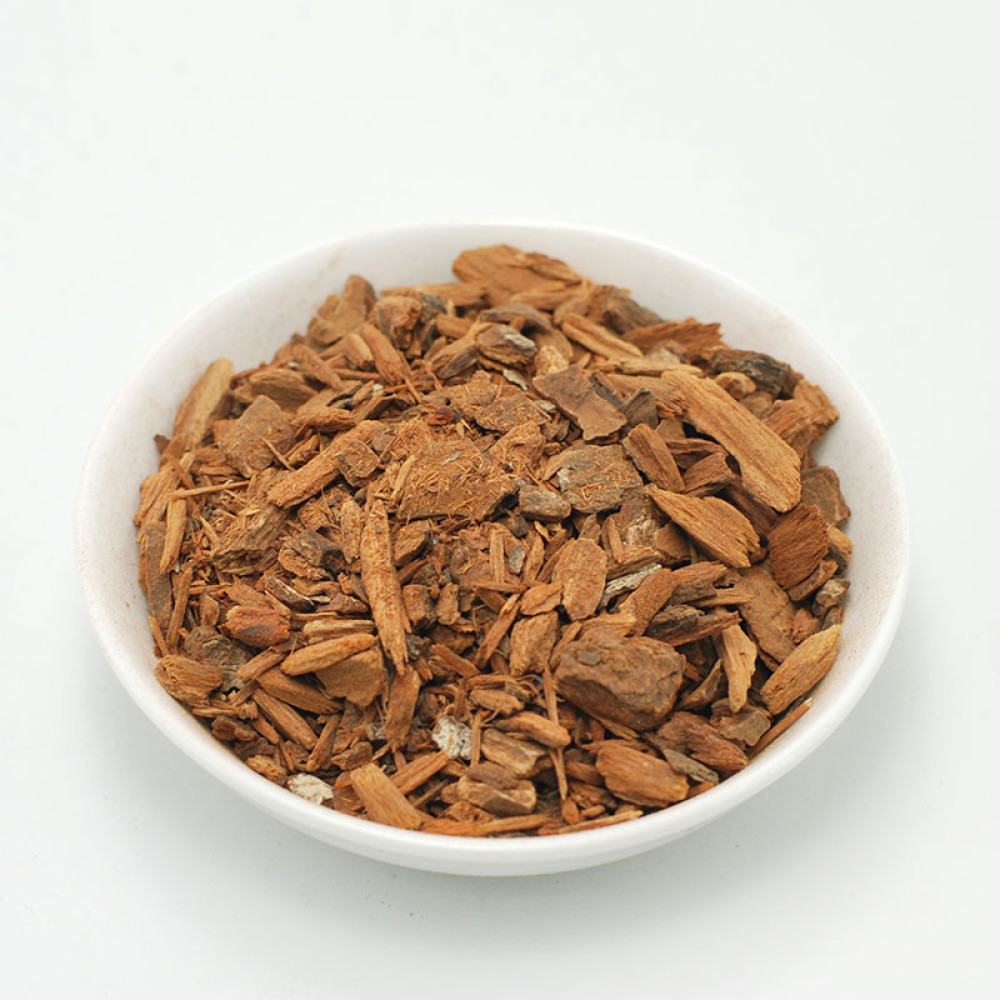
Cinchona bark
Cinchona spp.
Also known as: cinchona bark, China bark, Peruvian bark, kina bark.
Cinchona is the aromatic, intensely bitter bark of species in the genus Cinchona. It is distinguished by its natural alkaloids, especially quinine and quinidine, and by its major historical place in pharmacognosy.
Shipping options
- EU countries: DHL from €18 · free over €200 (first 2 kg, by volumetric weight)
- Cyprus: ACS, BOX NOW or DHL · free with ACS or BOX NOW over €99
- Greece: ACS or ELTA to your door from €4.00 · ACS or BOX NOW lockers from €2.40 · free over €49 (first 3 kg)
- Usually dispatched within 1–2 business days
Payment methods
- Card, Google Pay, Apple Pay, with no extra charge
- Cash on delivery (Cyprus and Greece): ACS +€2.50 · ELTA +€3.50
- IRIS or bank transfer (Greece only)
Send us a message and we reply within one working day. Or call us on (+30) 2610 221354 during shop hours.
Send a message(+30) 2610 221354What it is
Cinchona is the aromatic, intensely bitter bark of species in the genus Cinchona. It is distinguished by its natural alkaloids, especially quinine and quinidine, and by its major historical place in pharmacognosy.
Key properties
The bark has a powerful bitter profile and has traditionally been described as a stomachic, appetite tonic and febrifuge. Quinine and quinidine are pharmacologically active compounds, making careful control of amount and duration essential.
Uses
European herbal tradition uses China bark as a bitter appetite tonic and for indigestion, flatulence and post-meal fullness. Its intense bitterness stimulates gustatory and digestive secretions before food.
Historically, it became associated with fever and malaria, while quinine and quinidine led to pharmaceutical applications in malaria and cardiac arrhythmias. These references concern the history and pharmacology of the isolated alkaloids.
Preparation & dosage
A traditional literature dose is 1 g of bark per intake, with a total daily amount of 1–3 g. Because of its quinine alkaloids, use only with qualified guidance and do not exceed the daily amount.
Amounts are indicative and based on traditional use and published herbal literature. For prolonged use or when taking medication, consult a qualified health professional.
Precautions
Excessive intake may cause tinnitus, headache, nausea, diarrhoea, visual disturbances or altered heart rhythm. Avoid during pregnancy and breastfeeding, and in quinine allergy, G6PD deficiency, tinnitus, severe liver or kidney disease, and rhythm disorders. Medical review is required with anticoagulants, antiarrhythmics, digoxin or other medicines affecting cardiac rhythm.
Frequently asked questions
Why is cinchona bark so bitter?
Its pronounced bitterness is mainly due to quinoline alkaloids, especially quinine and quinidine.
What is its main traditional use?
Its principal European use concerns appetite and digestive comfort in indigestion, flatulence and fullness.
Does it require professional guidance?
Yes. Its alkaloids are strongly active and require strict control of the amount and possible interactions.
Reviews
Have you tried Cinchona bark? Tell us what you think.
From the same category