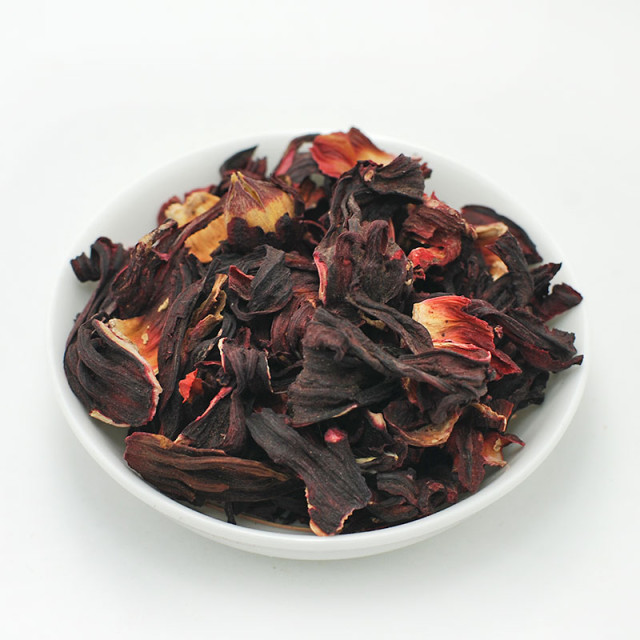
Hibiscus calyces
1.25€50 g · 3 weights

 Zoom
Medicinal & Therapeutic Herbs
Desmodium adscendens (Sw.) DC.
Also known as: Desmodium, strong back, amor seco, hierba de burro.
Desmodium is the leaf of a tropical plant of Central and South America, with a long history of medicinal use well before European arrival. It concerns mainly those interested in liver function, in kidney and gallstones, and in asthma and allergies.
Send us a message and we reply within one working day. Or call us on (+30) 2610 221354 during shop hours.
Send a message(+30) 2610 221354Desmodium is the leaf of a tropical plant of Central and South America, with a long history of medicinal use well before European arrival. It concerns mainly those interested in liver function, in kidney and gallstones, and in asthma and allergies. Many of its traditional uses have carried over into modern herbal practice.
The herb is characterised chiefly as hepatoprotective, antispasmodic, bronchodilator and immunomodulating, with additional analgesic, antiasthmatic, antidiabetic, cardioprotective, antiulcer, antioxidant, anti-inflammatory, antitussive, digestive, galactagogue, purgative, antiparasitic and wound-healing action.
This character rests on triterpene saponins, characteristically the soyasaponins, together with flavonoids and alkaloids. Some of the saponins are associated with protection of liver cells against hepatotoxic substances and with normalisation of liver transaminases; in practice the herb is described as increasing the resistance of liver cells to inflammation or hepatic insufficiency.
The herb is traditionally associated with kidney stones and gallstones, with non-alcoholic fatty liver disease, with asthma, chronic bronchitis and allergies, and with muscle spasms and back pain.
Leaf tea is traditionally drunk as a blood cleanser and to detoxify the body from environmental toxins and chemicals. Its antispasmodic and antiallergic properties place it in wellness routines focused on respiratory comfort, while its liver action places it in routines concerning hepatic load.
Infusion: 1 teaspoon of leaves in a cup of boiling water for 10 minutes. Drink 3–4 times daily, between meals. Daily total 3–4 teaspoons.
Quantities are indicative, based on traditional use and published herbal literature. For prolonged use or if you are on medication, consult a health professional.
No serious side effects have been reported. Nausea, digestive upset and diarrhoea are occasionally recorded. As a precaution it is not recommended in pregnancy or breastfeeding. Contraindicated in liver disease and in autoimmune conditions when taken long term, as it may interact with certain steroids and immunosuppressants. Gallstones, kidney stones and liver disease require medical diagnosis and follow-up — the herb does not replace treatment.
Three to four times a day, between meals. One teaspoon of leaves per cup, infused for ten minutes.
Because traditional use targets liver and gallbladder function, where an empty stomach helps the saponins be absorbed.
Not indefinitely. In autoimmune conditions and liver disease long-term use is contraindicated, as it may interact with steroids and immunosuppressants.
Have you tried Desmodium leaves? Tell us what you think.