Free shipping in Greece over €49 (first 3 kg)

Shipping to the EU · free over €200 (first 2 kg)

Medicinal & Therapeutic Herbs

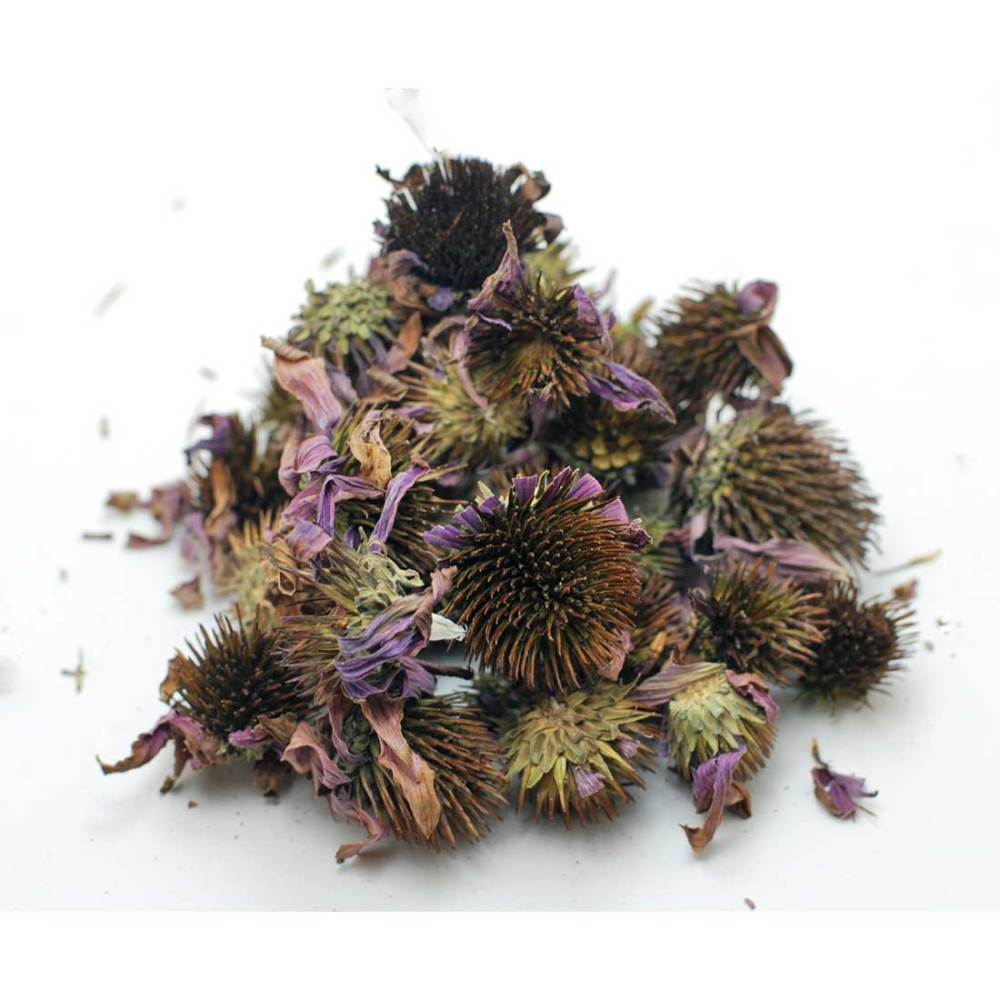
Echinacea flowers, organic Greek

Echinacea purpurea (L.) Moench, Echinacea angustifolia DC.

Also known as: echinacea, purple coneflower, coneflower, Echinacea purpurea, Echinacea angustifolia, echinatsia (transliteration).

Echinacea flowers (Echinacea purpurea, angustifolia) from Greek organic cultivation in Almyros, Magnesia (certification code GR-BIO-01). It is one of the most widely used herbs worldwide for immune support in respiratory infections, with further uses for skin and inflammation.

See the full description ↓

Write the first review Code: BMX-0091b
3.00€ 60.00€ / kg Price includes VAT

Weight 50 g

In stockShips by courier in 1–2 working days

Shipping options

  • EU countries: DHL from €18 · free over €200 (first 2 kg, by volumetric weight)
  • Cyprus: ACS, BOX NOW or DHL · free with ACS or BOX NOW over €99
  • Greece: ACS or ELTA to your door from €4.00 · ACS or BOX NOW lockers from €2.40 · free over €49 (first 3 kg)
  • Usually dispatched within 1–2 business days

Everything about shipping and delivery →

Payment methods

  • Card, Google Pay, Apple Pay, with no extra charge
  • Cash on delivery (Cyprus and Greece): ACS +€2.50 · ELTA +€3.50
  • IRIS or bank transfer (Greece only)

Everything about payment methods →

Have a question about Echinacea flowers?

Send us a message and we reply within one working day. Or call us on (+30) 2610 221354 during shop hours.

Send a message(+30) 2610 221354

What it is

Echinacea flowers (Echinacea purpurea, angustifolia) from Greek organic cultivation in Almyros, Magnesia (certification code GR-BIO-01). It is one of the most widely used herbs worldwide for immune support in respiratory infections, with further uses for skin and inflammation.

Key properties

Immune stimulant, anti-inflammatory, antibiotic, antiviral, antiallergenic, detoxifying, diaphoretic, vulnerary. Its character rests on alkylamides, chicoric and rosmarinic acid, caffeic acid, polysaccharides and flavonoids.

Uses

Who it is for

For respiratory infections — the common cold, flu, pharyngitis, laryngitis, sinusitis, sore throat; for urinary tract infections and fungal infections; for allergic rhinitis, acne and boils, chilblains, cold sores, mild asthma, earache, mouth ulcers, pyorrhoea and gingivitis.

Common uses

Mainly as an infusion at the first signs of a viral illness and for a few days after, as part of wellness routines focused on the body's defences. Also used as a base for gargles for mouth and throat complaints, and externally as a compress for skin problems.

Key benefits attributed to it

  • Positive effect on the immune system. Numerous older studies and a systematic review of controlled clinical trials have examined the immunomodulatory role of echinacea in infections and viral illness, with indications of faster recovery.
  • Antioxidant protection. Flavonoids, chicoric acid and rosmarinic acid are studied in relation to oxidative stress.
  • Effect on blood sugar. In vitro studies on echinacea flower extract and caffeic acid derivatives have documented antidiabetic and antihypertensive properties.
  • Effect on anxiety. Older research in laboratory models linked alkylamides, rosmarinic and caffeic acid with reduced feelings of anxiety — human data remain limited.
  • Anti-inflammatory action. Several studies show modulation of excessive inflammation, while a pilot trial in knee arthrosis examined standardised echinacea extract together with ginger in people with chronic pain.
  • Skin health. Research on echinacea dermatological formulations has examined hydration, acne, eczema, wrinkles and the restoration of the skin's protective outer layer.
  • Preclinical studies of echinacea root extracts have examined effects in cancer cell lines, without providing clinical conclusions.

Herbal combinations

At the first signs of a viral illness, traditionally with elderflower and linden as a diaphoretic tea. For cough and bronchial complaints with thyme and liquorice. In a pilot clinical study it has been examined alongside ginger for inflammation and chronic pain.

Preparation and dosage

Flowers as an infusion

1 tablespoon of flowers in a cup (about 250 ml) of boiling water. Leave covered for 10–15 minutes, strain and drink up to 3 times a day.

Gargles

The same infusion, once cooled to lukewarm, is used as a gargle 2–3 times a day for throat complaints, mouth ulcers and gingivitis.

Duration

Not used for longer than one month without professional supervision. Typical practice is 7–10 days of use from the onset of symptoms.

The amounts given are indicative, based on traditional use and published phytotherapy literature. For prolonged use or if you are on medication, consult a qualified health professional.

Precautions

Because echinacea stimulates the immune system, people with autoimmune disorders (lupus, multiple sclerosis, rheumatoid arthritis) or taking immunosuppressant medication should avoid it or consult their doctor first. The same applies to transplant recipients. People with inulin sensitivity should not use it. As an Asteraceae plant, it may cause allergic reactions in those sensitive to ragweed, chrysanthemum, daisy or chamomile. Not taken for longer than one month without supervision. Caution is required in children and during pregnancy and breastfeeding — always seek medical advice in these cases.

Frequently asked questions

When do I start echinacea for a cold?

At the first signs — sneezing, a slight scratch in the throat, a feeling of fatigue. Typical use is an infusion up to 3 times a day for 7–10 days. The earlier it starts, the more relevant its profile of action.

Can I take it continuously as prevention?

Not without supervision. Established practice is cycles of up to one month. Continuous long-term use is not recommended and has not been shown to be more beneficial.

Why is it unsuitable for people with autoimmune conditions?

Because its profile is immunostimulant: it enhances a response that in autoimmune disease is already overactive. The same applies to anyone on immunosuppressants or who has had a transplant.

Selected bibliography:
  • Echinacea biotechnology: advances, commercialization and future considerations
  • Dietary supplementation of Echinacea purpurea powder improved performance, serum lipid profile, and yolk oxidative stability in laying hens
  • Immunomodulation with echinacea - a systematic review of controlled clinical trials
  • Immune enhancing effects of Echinacea purpurea root extract by reducing regulatory T cell number and function
  • Antioxidant, Antidiabetic, and Antihypertensive Properties of Echinacea purpurea Flower Extract and Caffeic Acid Derivatives Using In Vitro Models
  • The effect of Echinacea preparations in three laboratory tests of anxiety: comparison with chlordiazepoxide
  • Chicoric acid supplementation prevents systemic inflammation-induced memory impairment and amyloidogenesis via inhibition of NF-κB
  • The effect and safety of highly standardized Ginger (Zingiber officinale) and Echinacea (Echinacea angustifolia) extract supplementation on inflammation and chronic pain in NSAIDs poor responders. A pilot study in subjects with knee arthrosis
  • Skin improvement and stability of Echinacea purpurea dermatological formulations
  • Cytotoxic effects of Echinacea root hexanic extracts on human cancer cell lines
  • European Medicines Agency, Committee on Herbal Medicinal Products. European Union herbal monograph on Echinacea purpurea (L.) Moench, herba recens.

Reviews

No reviews yet

Have you tried Echinacea flowers? Tell us what you think.

You may also like

Medicinal & Therapeutic Herbs

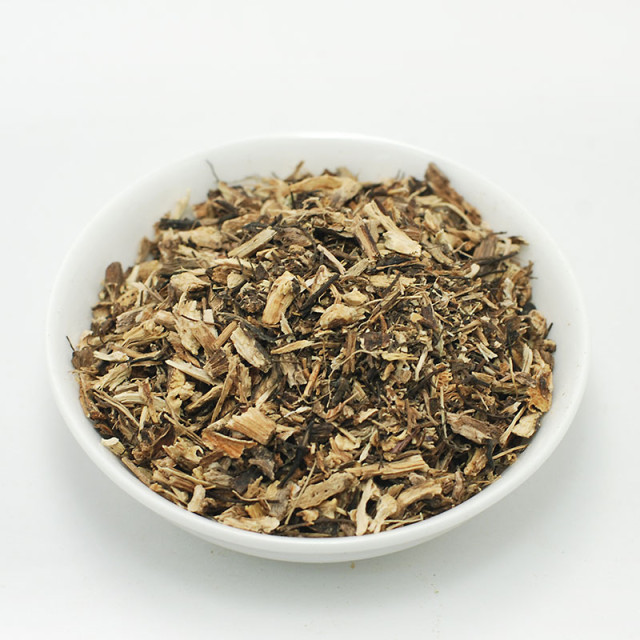
Echinacea root

4.25€50 g · 3 weights

Medicinal & Therapeutic Herbs

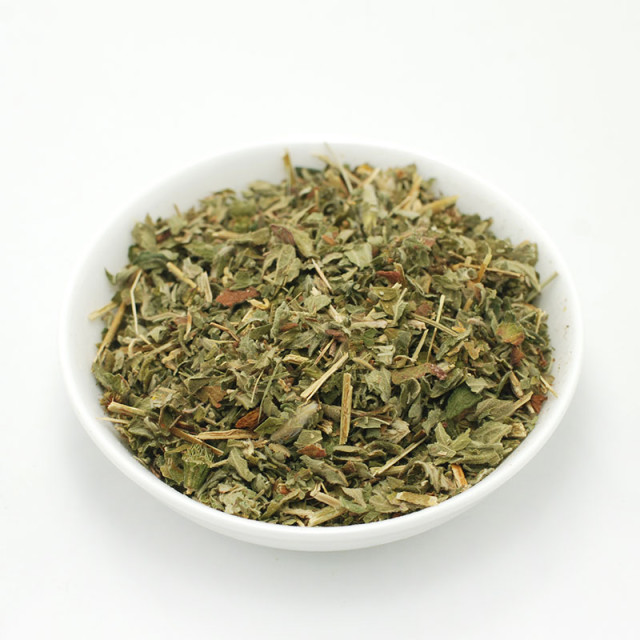
Agrimony herb

2.75€50 g · 3 weights

Medicinal & Therapeutic Herbs

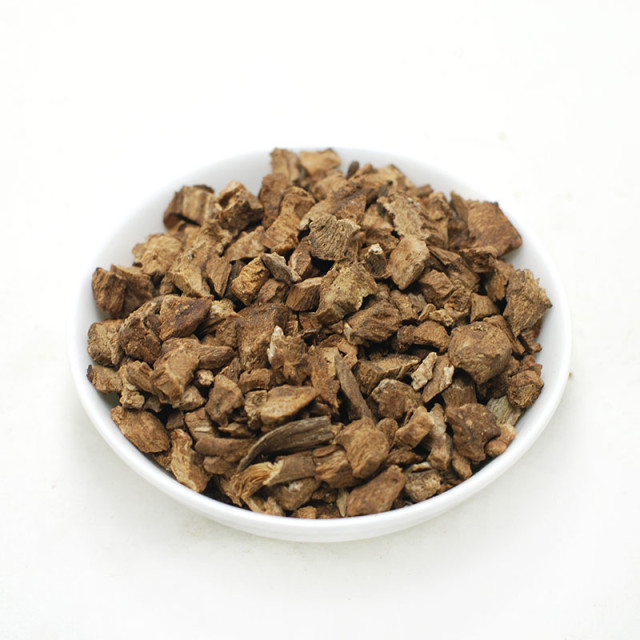
Burdock root

3.80€50 g · 3 weights

Medicinal & Therapeutic Herbs

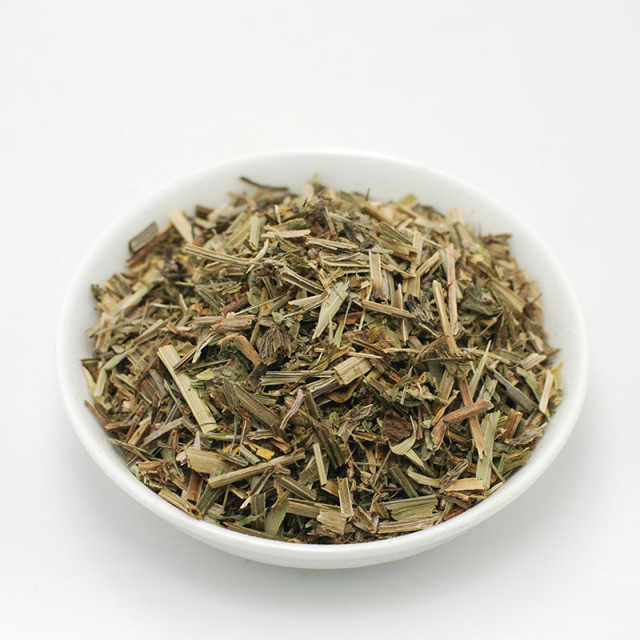
Cleavers herb

2.55€50 g · 3 weights

WELCOME GIFT

The herb guide

260 herbs arranged by need — to start your journey into wellbeing.

when you sign up with your email