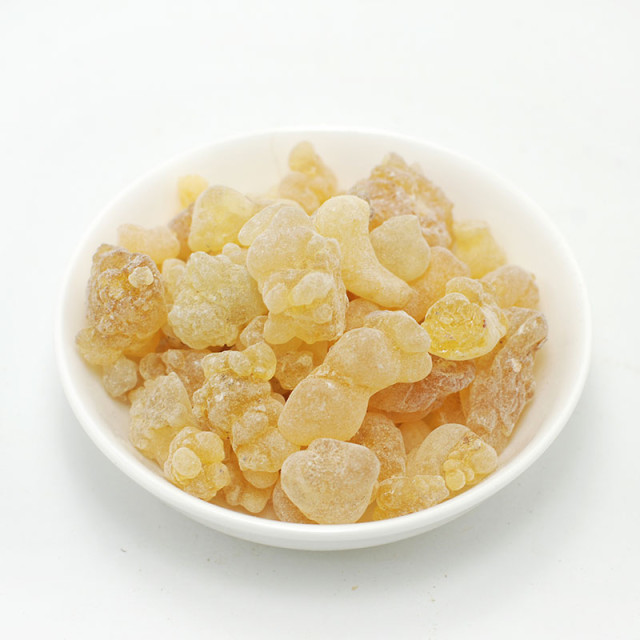
Ethiopian frankincense
2.10€50 g · 3 weights

 Zoom
Medicinal & Therapeutic Herbs
Acacia senegal (L.) Willd. and Acacia seyal Delile (syn. Senegalia senegal, Vachellia seyal)
Also known as: Gum arabic, acacia gum, gum acacia, E414, komi.
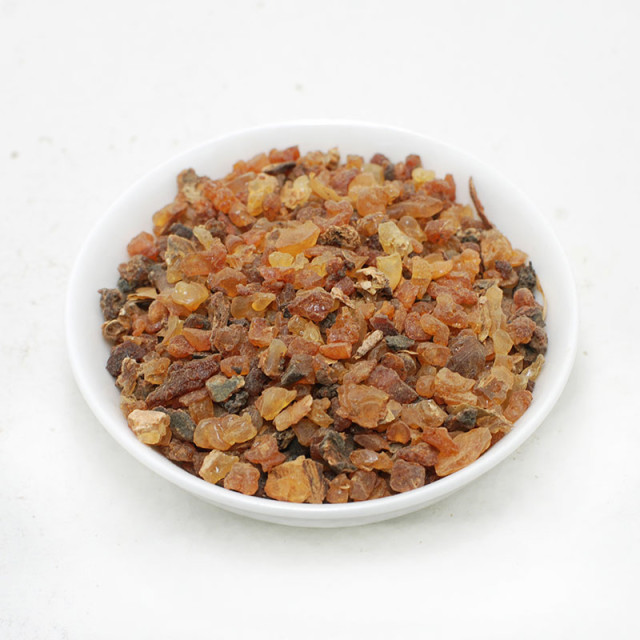
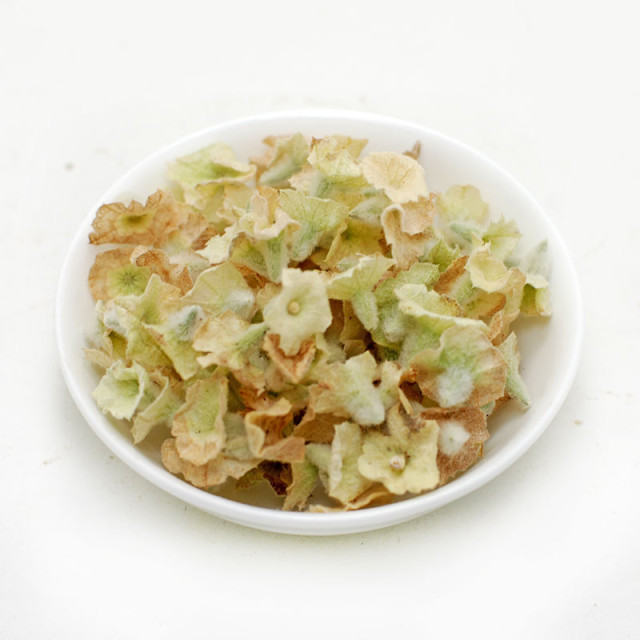
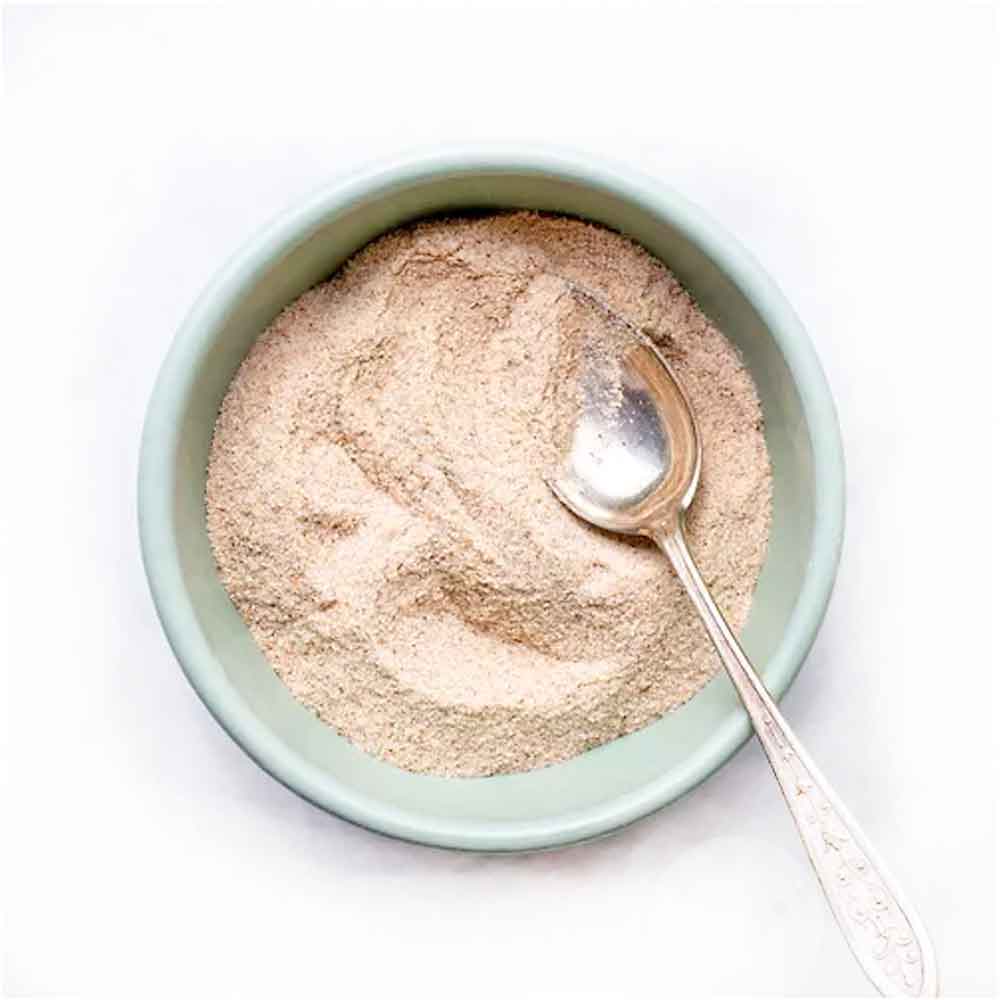
Gum arabic is the exudate from the stems and branches of the acacia — the species Acacia senegal and Acacia seyal — which grow in the countryside of the Sahara. The exudate hardens into droplets known as "tears" and is milled to a powder.
Send us a message and we reply within one working day. Or call us on (+30) 2610 221354 during shop hours.
Send a message(+30) 2610 221354Gum arabic is the exudate from the stems and branches of the acacia — the species Acacia senegal and Acacia seyal — which grow in the countryside of the Sahara. The exudate hardens into droplets known as "tears" and is milled to a powder. It is a raw material: used as a thickener and emulsifier in cosmetics, confectionery and beverages, not as a herb for infusion.
The gum is characterised as thickening, emulsifying and astringent. It dissolves in water to give a solution with body, stabilises mixtures of oil and water that would otherwise separate, and forms a thin film on the surface. It consists mainly of arabinogalactans, that is complex polysaccharides, together with glycoproteins. These polysaccharides are not digested by the human body and behave as soluble dietary fibre. In food it is listed as additive E414.
For anyone making cosmetic creams and emulsions who needs a natural stabiliser, for confectionery and beverages where body and texture are needed, and for anyone seeking a source of soluble fibre. Internal use is recorded as helping in cases of diarrhoea, thanks to its astringent and water-binding nature.
In cosmetics it is added to creams and emulsions as a thickening and emulsifying agent, to face masks for cohesion, and to lotions where a thin non-greasy film is wanted. In confectionery it stabilises glazes, sweets and preserves. In beverages it keeps aromatic oils dispersed so they do not separate.
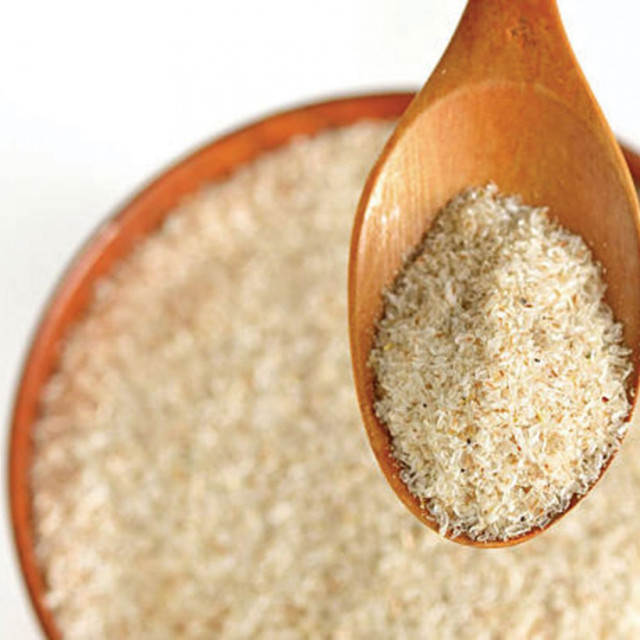
The powder is wetted gradually in lukewarm water while stirring, never all at once, so no lumps form. It is left to hydrate fully before being added to the rest of the mixture.
In cosmetic emulsions it is typically used at a low percentage of the formula, depending on the viscosity wanted; the exact ratio comes from testing in the specific formulation. In drinks and foods it is added until the desired texture is reached.
The gum is considered well tolerated. In large amounts taken internally it causes bloating, gas and loose stools, like any soluble fibre — the amount is increased gradually and with adequate fluid intake. Because it binds water and slows absorption, leave two hours between the gum and any medication. Rare allergic reactions have been reported, mainly from inhaling the powder in occupational exposure: mix in a ventilated space and avoid inhaling. In cosmetic preparation a preservative is required, as aqueous polysaccharide solutions readily develop microbial load.
Add it gradually to lukewarm water while stirring continuously, never all at once, and let it hydrate fully before it goes into the rest of the mixture.
Gum arabic thickens and emulsifies at the same time, that is it holds oil and water together. Most thickeners only do the first.
Yes, it is listed as food additive E414 and behaves as a soluble dietary fibre. In large amounts it causes bloating and gas, like any fibre.
Have you tried Gum arabic resin tears? Tell us what you think.
2.10€50 g · 3 weights
6.10€50 g · 3 weights
4.50€100 g · 2 weights