 Zoom
Medicinal & Therapeutic Herbs
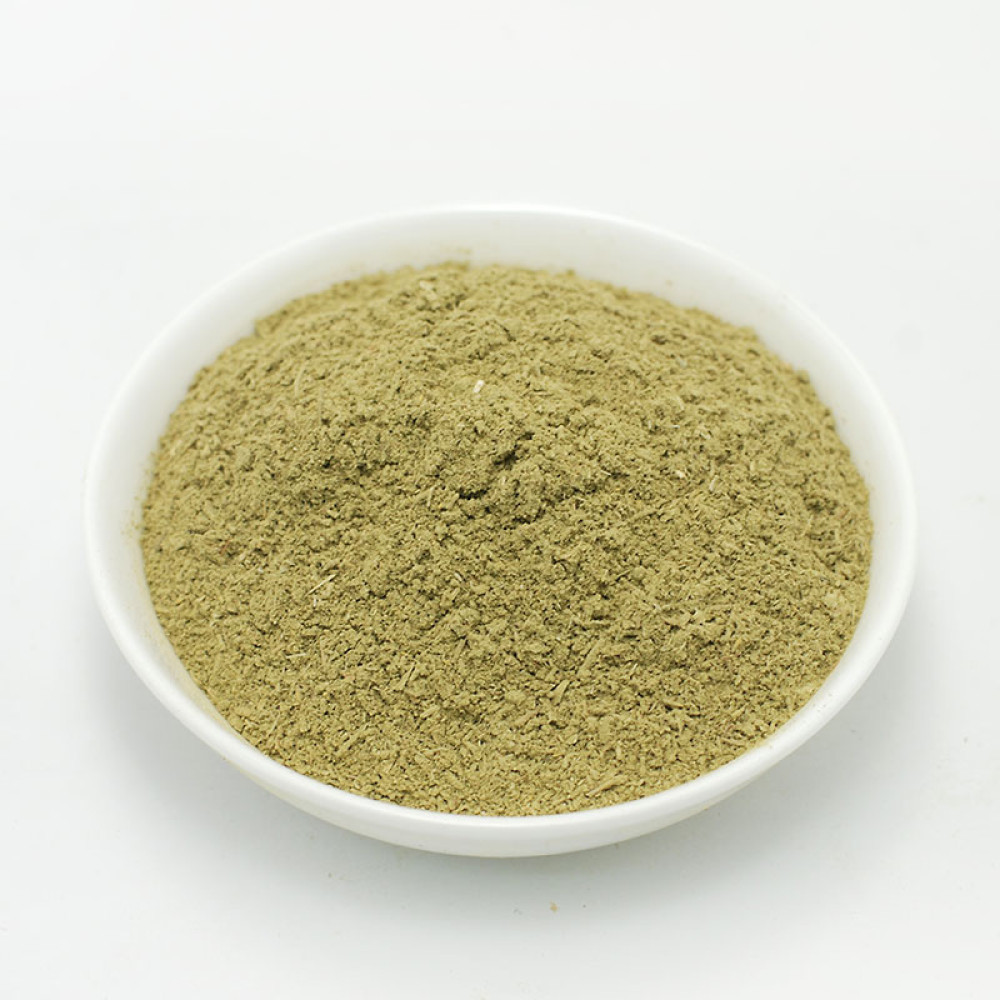
Neutral henna powder
Cassia obovata Collad. (syn. Senna italica)
Also known as: neutral henna, colourless henna, cassia, Cassia obovata, senna.
Neutral henna is powder from the leaves of Cassia obovata, used on hair to enhance the existing colour and add shine and volume. Despite the shared common name it is not the same plant as red henna: that comes from Lawsonia inermis and contains lawsone, the pigment that dyes.
Shipping options
- EU countries: DHL from €18 · free over €200 (first 2 kg, by volumetric weight)
- Cyprus: ACS, BOX NOW or DHL · free with ACS or BOX NOW over €99
- Greece: ACS or ELTA to your door from €4.00 · ACS or BOX NOW lockers from €2.40 · free over €49 (first 3 kg)
- Usually dispatched within 1–2 business days
Payment methods
- Card, Google Pay, Apple Pay, with no extra charge
- Cash on delivery (Cyprus and Greece): ACS +€2.50 · ELTA +€3.50
- IRIS or bank transfer (Greece only)
Send us a message and we reply within one working day. Or call us on (+30) 2610 221354 during shop hours.
Send a message(+30) 2610 221354What it is
Neutral henna is powder from the leaves of Cassia obovata, used on hair to enhance the existing colour and add shine and volume. Despite the shared common name it is not the same plant as red henna: that comes from Lawsonia inermis and contains lawsone, the pigment that dyes. Neutral henna does not change hair colour, which is why it is also called colourless henna. By the same logic, what is sold as "black henna" is usually the genus Indigofera, again a different plant.
Key properties
The powder acts as an emollient and a scalp tonic, with a mild astringent action that closes the hair cuticle and so increases light reflection. The result is hair that looks glossier and fuller, with no change in colour. This character rests on the leaf anthraquinones, characteristically chrysophanol, together with tannins, flavonoids and mucilage.
Uses
Who it is for
For dull hair lacking shine, for fine hair that needs volume, and for anyone wanting plant-based care without a colour change. It is also used before or between applications of red henna, as preparation for the hair.
How it is commonly used
Applied as a hair mask, on its own or mixed with red henna when a softer shade is wanted. In dye mixtures, adding an essential oil rich in monoterpene alcohols — lavender, tea tree, eucalyptus — noticeably improves the quality of the result.
Preparation and application
Quantity
The amount follows hair length: 70 g for short hair, double for long hair.
Making the paste
Dilute with lukewarm water until the texture resembles mud — the amount of water is judged by eye. Optionally add a vegetable oil (castor, coconut, laurel) for extra nourishment and protection. Oil goes in only if no vinegar or lemon has been added.
Application
Spread the paste on the hair, wrap in cling film or a cap and leave for 1–2 hours. Wash and dry. The final result settles within two days.
When mixed with red henna
A dye mixture is made with a mild acidic medium — lemon juice or black tea — in a ratio that gives an ointment texture, and left to stand 6–24 hours before use so the lawsone of the red henna is released. For a stronger result add 2–4 tablespoons of green tea or lemon for blonde hair, or vinegar for red. If greys are not fully covered, increase the time left on.
Precautions
External use on hair only — not for consumption. Patch test a small area of skin before the first application, as sensitivity to plants of this family is reported. Avoid contact with the eyes; if it occurs, rinse thoroughly with water. Not applied to irritated or broken scalp. After recent chemical colouring, bleaching or perming, leave two weeks. Leaf powders can irritate the airways: mix in a ventilated space and avoid inhaling. This is unrelated to "black henna" temporary tattoo preparations, where the risk comes from added para-phenylenediamine.
Frequently asked questions
Does neutral henna dye the hair?
No. It contains no lawsone, so it does not change colour. It enhances the existing colour and adds shine, which is why it is also called colourless henna.
How much do I need?
About 70 g for short hair and double for long. The powder is diluted with lukewarm water until it reaches a mud-like texture.
Can it be mixed with red henna?
Yes. The mixture gives a softer shade than pure red henna. In that case the mix needs an acidic medium and 6–24 hours of standing time before application.
Reviews
Have you tried Neutral henna powder? Tell us what you think.
From the same category