Free shipping in Greece over €49 (first 3 kg)

Shipping to the EU · free over €200 (first 2 kg)

Organic Supplements

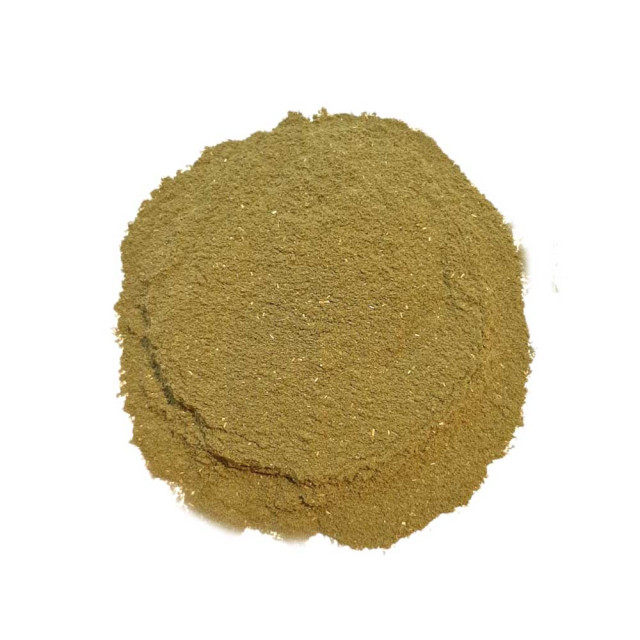
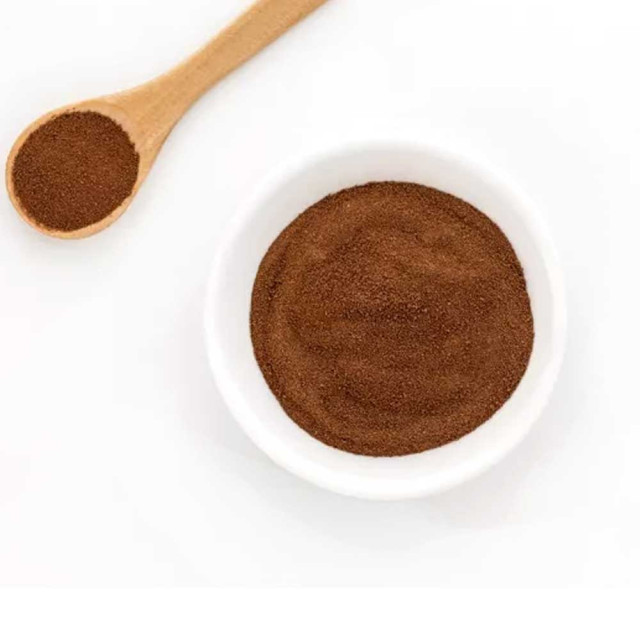
Organic wheatgrass powder 200 g

Triticum aestivum L.

Also known as: Wheatgrass, Triticum aestivum grass.

Organic wheatgrass powder, large 200 g pack for daily use. It is made from the plant Triticum aestivum, common soft wheat, and is usually consumed as fresh juice or in powder form. Chosen for detoxification, digestion, metabolism and weight, cholesterol, immunity and energy.

See the full description ↓

Write the first review Code: BIO-191
2.95€ 28.10€ / kg Price includes VAT

Weight 100 g

In stockShips by courier in 1–2 working days

Shipping options

  • EU countries: DHL from €18 · free over €200 (first 2 kg, by volumetric weight)
  • Cyprus: ACS, BOX NOW or DHL · free with ACS or BOX NOW over €99
  • Greece: ACS or ELTA to your door from €4.00 · ACS or BOX NOW lockers from €2.40 · free over €49 (first 3 kg)
  • Usually dispatched within 1–2 business days

Everything about shipping and delivery →

Payment methods

  • Card, Google Pay, Apple Pay, with no extra charge
  • Cash on delivery (Cyprus and Greece): ACS +€2.50 · ELTA +€3.50
  • IRIS or bank transfer (Greece only)

Everything about payment methods →

Have a question about Organic wheatgrass powder 200 g?

Send us a message and we reply within one working day. Or call us on (+30) 2610 221354 during shop hours.

Send a message(+30) 2610 221354

What it is

Organic wheatgrass powder, large 200 g pack for daily use. It is made from the plant Triticum aestivum, common soft wheat, and is usually consumed as fresh juice or in powder form. Chosen for detoxification, digestion, metabolism and weight, cholesterol, immunity and energy.

Key properties

Wheatgrass has antioxidant, antibacterial and anti-inflammatory properties and is described as a detoxifier and a digestive aid. It is packed with a powerful combination of nutrients: iron, calcium, magnesium, enzymes, phytonutrients, 17 amino acids, the vitamin A, C, E, K and B complex, proteins and chlorophyll. Chlorophyll is chemically similar to haemoglobin, the red blood cell protein that carries oxygen around the body.

Uses

Who it is for

In detoxification programmes, for interest in metabolism and weight, in digestive difficulties, when watching cholesterol and blood sugar levels, in periods of low energy, and in joint discomfort.

Its usual uses

  • Toxin elimination. The nutrients in wheatgrass help the body get rid of impurities and stored toxins.
  • Digestion. It has high levels of enzymes that aid digestion, helping the body break down food and absorb nutrients.
  • Metabolism and weight. It may support metabolism. It is low in calories and has no fat, so it is a good choice within a balanced diet.
  • Cholesterol. It is known to relate to cholesterol levels. Published research has examined the hypolipidaemic effect of fresh wheatgrass juice in experimental models of hypercholesterolaemia.
  • Immune system. It strengthens immune system function, which may help prevent infection and illness.
  • Energy. Once the body has cleared harmful substances, energy can be directed towards daily tasks and exercise, with a sense of renewal.
  • Cognitive function. It may improve overall mental function and relieve anxiety. Its neuroprotective properties have been examined in models of beta-amyloid-induced cell death and memory impairment.
  • Blood sugar and diabetes. According to studies in experimental type 2 diabetes models, wheatgrass has been examined in relation to blood sugar levels, partly because it contains compounds with insulin-like action and lowers the glycaemic index of foods.
  • Joints. Its anti-inflammatory properties may help with arthritis symptoms such as stiffness, pain and swelling.
  • Haemoglobin. Researchers have suggested that wheatgrass juice, rich in chlorophyll, may be useful in haemoglobin deficiency disorders such as anaemia and thalassaemia.
  • Research interest. Thanks to its high antioxidant content, laboratory test-tube studies have examined the effect of wheatgrass on cancer cells. This is early in vitro research.

Preparation & dosage

Powder
The product instruction is one teaspoon, that is 3 to 5 grams, dissolved in water or juice. When starting for the first time, begin with a small quantity and increase gradually, so the body can adapt.

A cup of water after taking it helps reduce the risk of discomfort such as nausea, headache or stomach upset.

Quantities are indicative, based on traditional use and published phytotherapy literature. For prolonged use or if you are on medication, consult a healthcare professional.

Combinations with other herbs

It combines naturally with barley grass, alfalfa, spirulina and chlorella in green blends. In smoothies it pairs with banana, apple, blueberries or plant milk.

Precautions

It is generally considered safe for those with coeliac disease or gluten sensitivity, because gluten is contained only in the wheat kernel seeds and not in the shoot. Even so, with gluten sensitivity it is preferable to seek a doctor advice first. Some people report nausea, headaches or diarrhoea after consumption in juice or supplement form. In that case reduce the quantity.

Frequently asked questions

How much wheatgrass per day?

The product instruction is one teaspoon, that is 3 to 5 grams, in water or juice.

How does it differ from barley grass?

They are related grasses with a similar profile. Wheatgrass has a stronger grassy taste, while barley grass is milder and richer in dietary fibre.

Does it contain gluten?

Gluten is contained only in the wheat kernel seeds, not in the shoot. With gluten sensitivity, a doctor advice comes first.

Selected bibliography:
  • The Medical Use of Wheatgrass: Review of the Gap Between Basic and Clinical Applications
  • Hypolipidemic effect of fresh Triticum aestivum (wheat) grass juice in hypercholesterolemic rats
  • Antioxidant effect of Triticum aestivum (wheat grass) in high-fat diet-induced oxidative stress in rabbits
  • Neuroprotective effects of Triticum aestivum L. against beta-amyloid-induced cell death and memory impairment
  • Antidiabetic and Antioxidant Properties of Triticum aestivum in Streptozotocin-Induced Diabetic Rats
  • Cytotoxic effects of commercial wheatgrass and fiber towards human acute promyelocytic leukemia cells (HL60)

Reviews

No reviews yet

Have you tried Organic wheatgrass powder 200 g? Tell us what you think.
You may also like

WELCOME GIFT

The herb guide

260 herbs arranged by need — to start your journey into wellbeing.

when you sign up with your email