Infusion
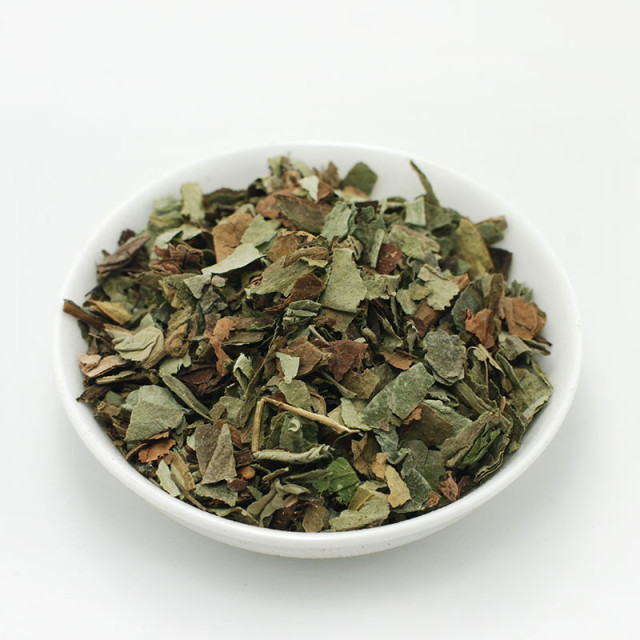
2–3 g of dried leaves (approx. 1 heaped teaspoon) per cup of hot water. Cover and steep 10 minutes. Drink 2–3 times daily.

 Zoom
Medicinal & Therapeutic Herbs
Vitis vinifera L. (leaves from red varieties)
Also known as: Red Grape Leaves.
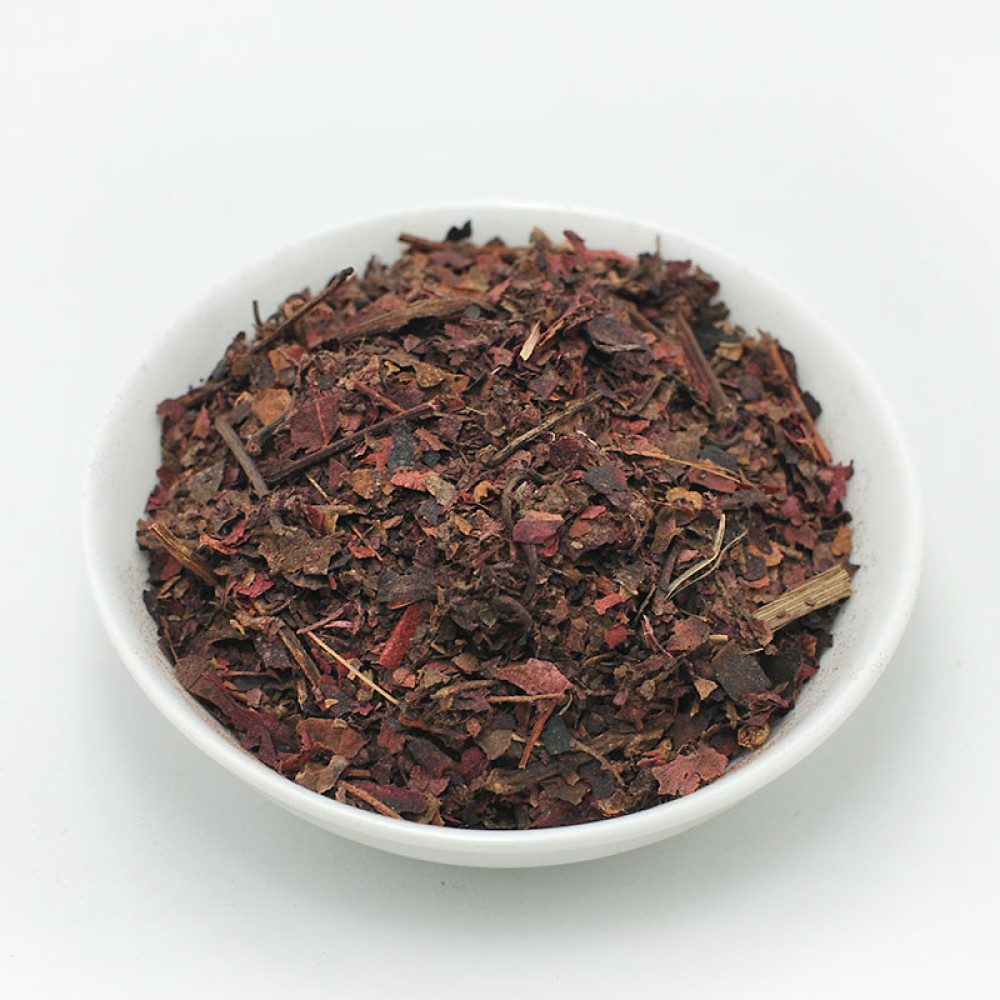
Red vine is the same perennial climbing vine that produces red grapes. Its leaves, which turn red in autumn, are traditionally used for venous problems of the lower limbs: heavy legs, varicose veins, oedema and chronic venous insufficiency. It is one of the most documented herbs for vascular health.
Send us a message and we reply within one working day. Or call us on (+30) 2610 221354 during shop hours.
Send a message(+30) 2610 221354Red vine is the same perennial climbing vine that produces red grapes. Its leaves, which turn red in autumn, are traditionally used for venous problems of the lower limbs: heavy legs, varicose veins, oedema and chronic venous insufficiency. It is one of the most documented herbs for vascular health.
The leaves are naturally rich in polyphenols, flavonoids (quercetin, isoquercitrin), anthocyanins, oligomeric proanthocyanidins (OPCs), resveratrol. Polyphenols have vasoprotective action, strengthening capillary walls and reducing permeability. The leaves are also described as astringent and vascular-tonic.
In modern European phytotherapy, red vine leaves are documented for:
Traditionally appreciated in wellness routines focused on strengthening venous tone and relieving heavy-legs sensation. Daily use is ideally combined with physical exercise and leg elevation.
Traditional decoction use was also linked with blood-circulation support and weight management. The latter is a traditional use of the leaf decoction.
2–3 g of dried leaves (approx. 1 heaped teaspoon) per cup of hot water. Cover and steep 10 minutes. Drink 2–3 times daily.
The quantities are indicative and are based on traditional use and published phytotherapy literature. For prolonged use or when taking medication, consult a qualified healthcare professional.
For veins/varicose: with horse chestnut, witch hazel, sweet clover, butcher's broom. For general circulation: with ginkgo biloba, ginger.
No. Leaves and seeds have different constituent profiles and should not be treated as equivalent preparations.
Compression stockings are a separate mechanical measure. Persistent swelling, pain or one-sided changes require medical assessment.
The directions here concern dried leaves prepared as an infusion.
Have you tried Red Vine leaves? Tell us what you think.
From the same category