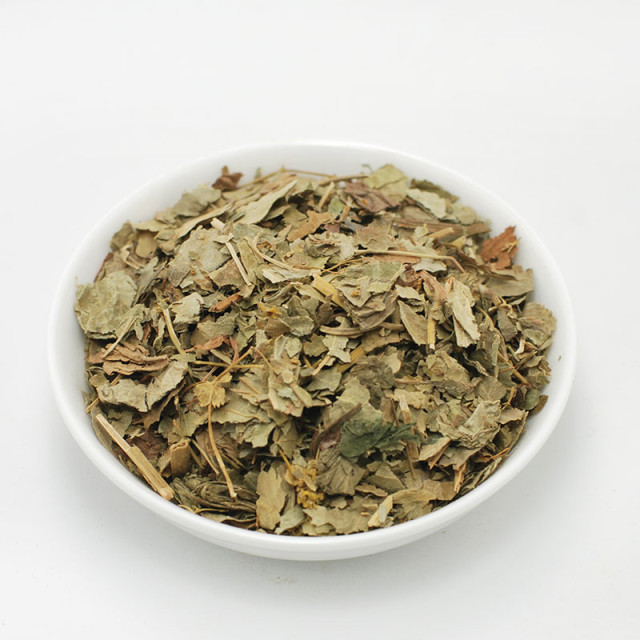
Lady's Mantle leaves
3.05€50 g · 3 weights

 Zoom
Medicinal & Therapeutic Herbs
Also known as: shepherd's purse, lady's purse, shepherd's bag, kapsella, thlaspi.
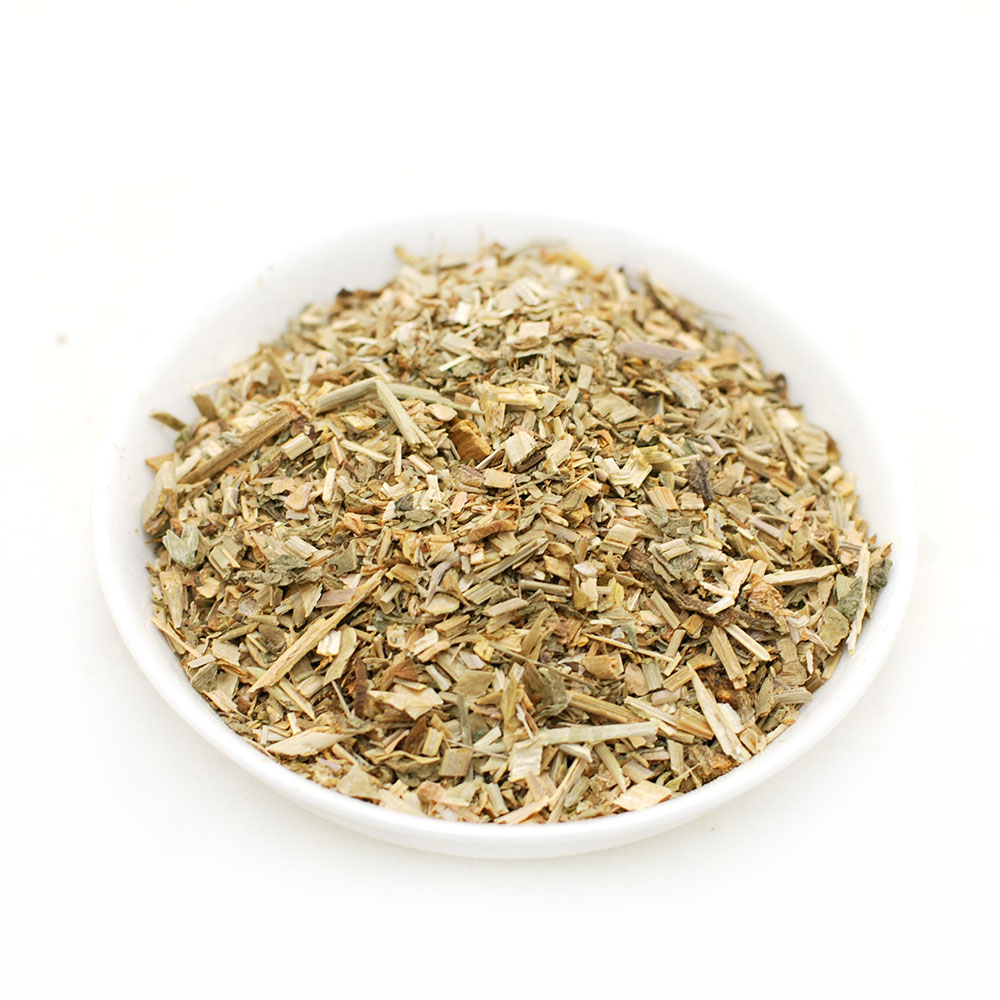
Shepherd's purse is the herb of Capsella bursa-pastoris, valued for its astringent and mildly diuretic character. Its best-known traditional role concerns menstrual comfort and situations in which excessive flow is the central issue.
Send us a message and we reply within one working day. Or call us on (+30) 2610 221354 during shop hours.
Send a message(+30) 2610 221354Shepherd's purse is the herb of Capsella bursa-pastoris, valued for its astringent and mildly diuretic character. Its best-known traditional role concerns menstrual comfort and situations in which excessive flow is the central issue.
The aerial herb contains flavonoids, tannins and biogenic amines. A European herbal monograph recognises its traditional use for reducing heavy menstrual bleeding in women with regular cycles after serious causes have been excluded.
Astringent. Its tannins support traditional use for diarrhoea, minor superficial wounds and nosebleeds.
Mildly diuretic. Traditionally used to support fluid elimination and water retention, while kidney-related symptoms require proper assessment.
Uterine-toning and haemostatic. Its distinctive traditional profile concerns menstrual-flow regulation and short use around the period.
Shepherd's purse uses are traditional and should be considered in relation to symptom severity and duration.
Heavy menstrual flow. Traditionally used shortly before and during menstruation when the cycle is regular. Sudden or unusually heavy blood loss needs medical assessment. Diarrhoea. Its astringent character is associated with short traditional use for mild, temporary diarrhoea.
Minor wounds and nosebleeds. Traditional external use involves a clean compress on intact or mildly irritated skin. Persistent nosebleeds require assessment. Water retention. Its mild diuretic profile is used in short wellness applications. Oedema associated with kidney or heart problems or breathlessness is a warning sign.
For an infusion, pour one cup of boiling water over 1–2 teaspoons of herb, cover for 10 minutes and strain. The traditional frequency is up to three times daily.
For use around menstruation, intake begins shortly before the expected start and continues only for a few days during the flow. For an external compress, use a fresh, thoroughly strained, lukewarm infusion.
Amounts are indicative and are based on traditional use and published herbal literature. For prolonged use or when taking medication, consult a healthcare professional.
Avoid during pregnancy because of the uterine-toning profile. Professional advice is needed during breastfeeding, for children, bleeding disorders or concurrent anticoagulant medication.
Bleeding between periods, after menopause, during pregnancy, or accompanied by dizziness and weakness requires prompt medical assessment. Persistent oedema, kidney pain or blood in urine is not suitable for self-care.
Mainly around heavy menstrual flow in a regular cycle and for its astringent or mildly diuretic character.
Use 1–2 teaspoons per cup of boiling water, infuse for 10 minutes and strain thoroughly.
When bleeding is unusual, persistent, occurs outside menstruation or is accompanied by dizziness and weakness.
Have you tried Shepherd's purse herb? Tell us what you think.