Which Tea Is Best for Acid Reflux? 7 Herbal Teas and Other Drinks to Try

Which tea is best for acid reflux? 7 herbal teas and other drinks to try
A burning or upset stomach can be unpleasant and even painful. It is often linked to acid reflux (GERD), gastritis, indigestion, wind, food intolerances or simply what and how we eat. The good news is that nature offers a whole range of herbs and drinks that people have turned to for generations to soothe the stomach and support good digestion.
Combine a few of these natural options and find the routine that works for you.
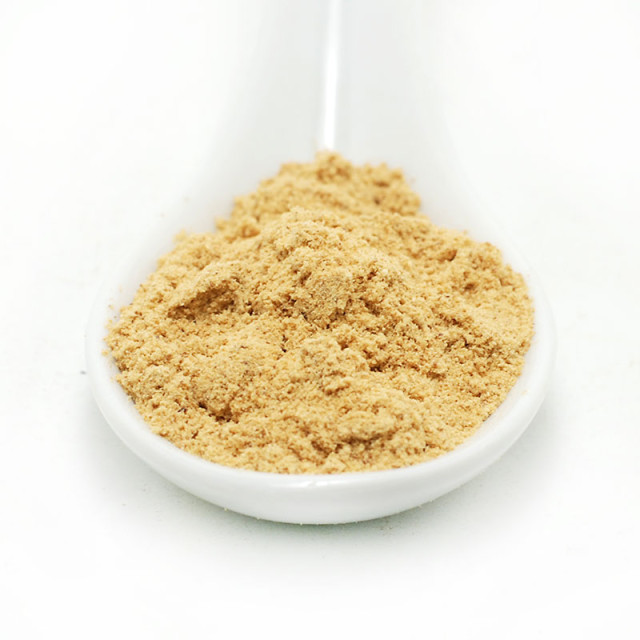
Ginger
Warming and aromatic, ginger is famous for its anti-inflammatory potential and is one of the best-loved herbs for a settled stomach. A cup of ginger tea is a gentle way to calm the digestive tract when heartburn strikes. To make it, steep a few slices of fresh ginger in hot water for about 10 minutes, or stir a little ginger powder into hot water or tea.
Liquorice
Liquorice tea is one of the classic choices for acid reflux. Liquorice root has been used as a herbal remedy since antiquity, and the European Medicines Agency recognises its traditional use for the relief of digestive symptoms, including a burning sensation and indigestion. Its main active compound, glycyrrhizin, has been studied for its ability to increase protective mucus, shielding the oesophagus and stomach from acid.

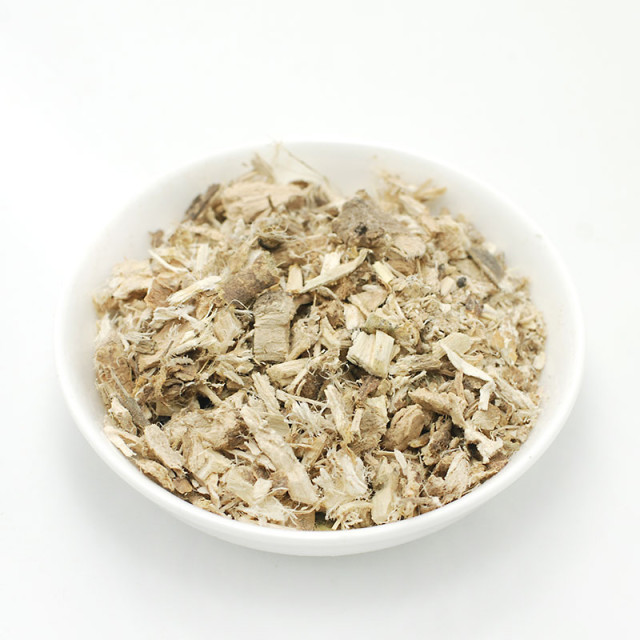
Marshmallow root
Marshmallow root (Althaea) has been a go-to herb for the digestive system for thousands of years, and the European Medicines Agency recognises its traditional use for mild stomach and gut discomfort. Its soft mucilage forms a soothing, protective layer over the lining of the digestive tract, which is exactly why marshmallow root tea is such a favourite for reflux.
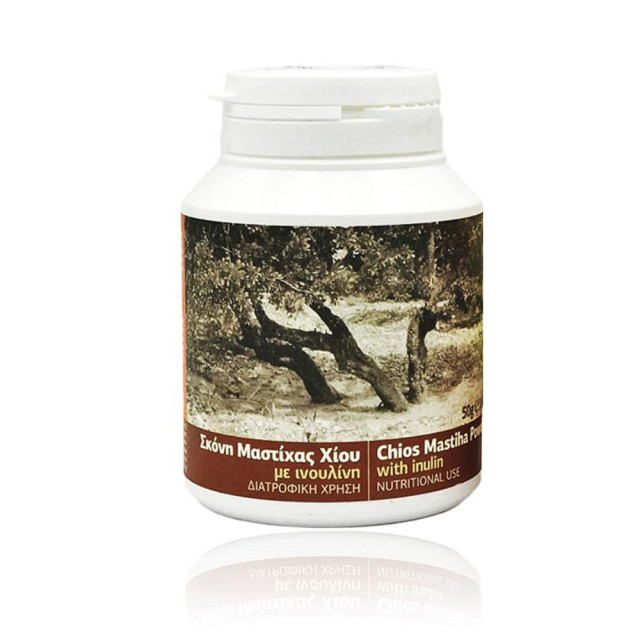
Mastic
A natural treasure that makes us proud as Greeks: Chios mastic. Mastic is traditionally taken to protect the stomach, and researchers have studied it for stomach ache, heartburn and stomach discomfort, as well as stomach and duodenal ulcers. Chew a mastic tear, or dissolve a level teaspoon of mastic powder in water.
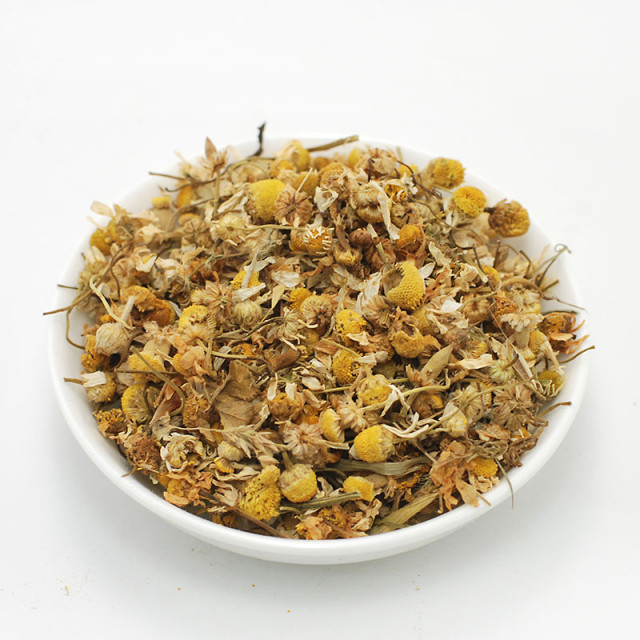
Chamomile
Calming chamomile relaxes body and mind alike. It is traditionally used to relax the muscles of the digestive tract and ease cramps and discomfort, and a cup after meals is a soothing habit for anyone prone to heartburn.
Peppermint
Peppermint is another popular choice for the digestive system: the European Medicines Agency recognises its traditional use for indigestion and wind. However, peppermint can sometimes make acid reflux worse in some people, so if reflux is your main concern, try it with care.

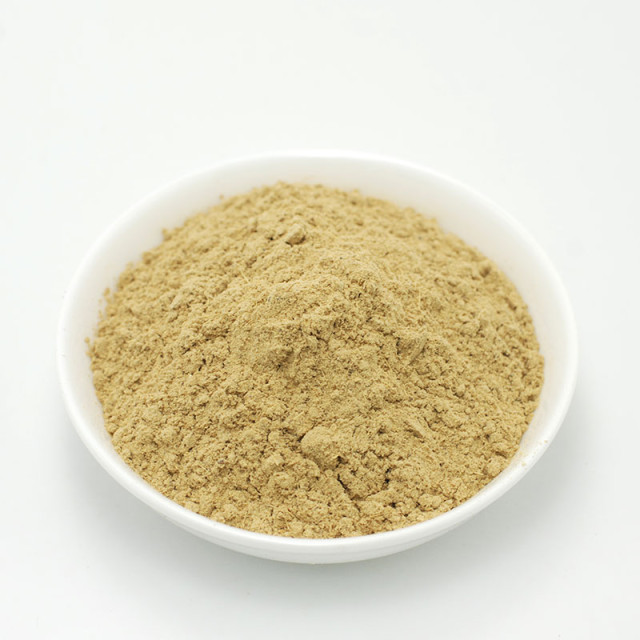
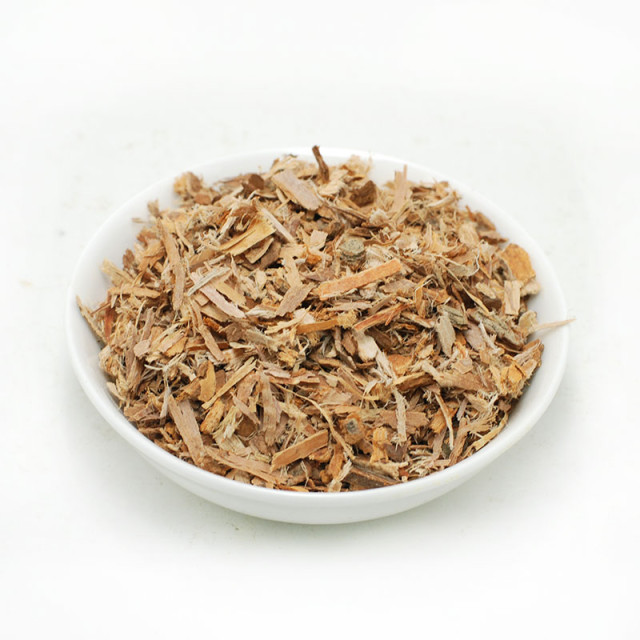
Slippery elm
Slippery elm bark is well worth adding to your routine. Rich in mucilage, it coats and soothes the stomach lining. Enjoy it as a tea or as a powder stirred into water.
Apple cider vinegar
A tablespoon of apple cider vinegar diluted in a glass of water is a traditional favourite for digestion, popular with people who want to keep stomach acid balanced and avoid bloating.
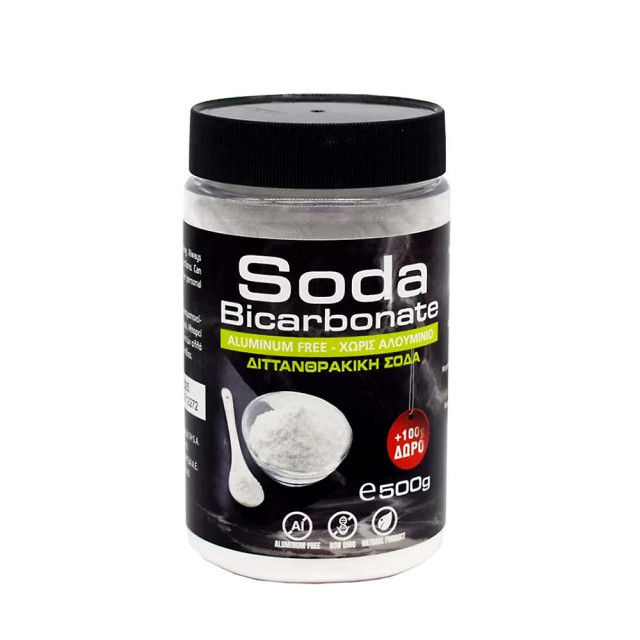
Baking soda
A mixture of baking soda and water neutralises stomach acid. Stir a teaspoon of baking soda into a glass of water and drink it for quick relief. Not close to meals, though (from half an hour before to two hours after).
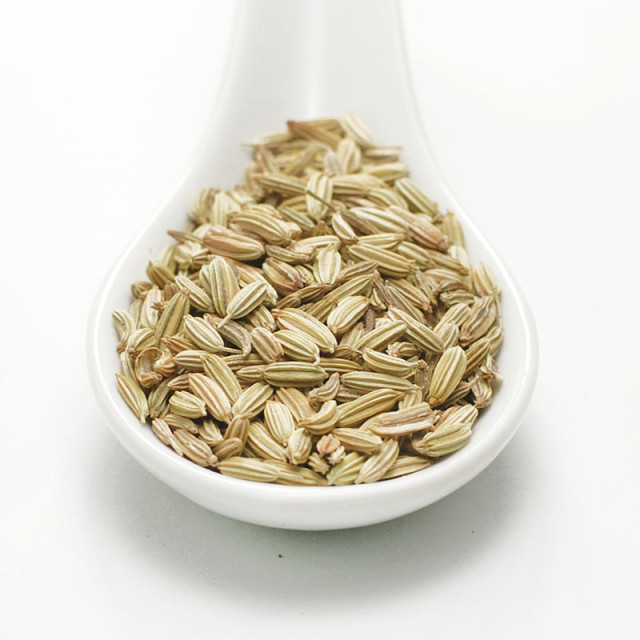
Fennel seeds
The European Medicines Agency recognises the traditional use of fennel for mild cramping stomach complaints, including bloating and wind. Chew a teaspoon of fennel seeds after meals, or enjoy a cup of fennel tea.
Aloe vera
Aloe vera juice is known for its soothing properties. A small amount of pure aloe vera juice is traditionally used to coat the stomach lining and ease irritation. Make sure you choose a product labelled specifically for internal use.

Hot water bottle
Sometimes the simplest things work best: a warm compress or hot water bottle on your tummy for 15 to 20 minutes can ease cramps and discomfort. The warmth relaxes the gut muscles and helps trapped wind move along.
Make a few of these herbs and drinks part of your daily routine, and you may find heartburn far easier to live with. You will find the herbs and teas in our shop, ready to brew.
Good to know: liquorice is not suitable for long-term use, during pregnancy, or for people with high blood pressure, heart or kidney problems. Baking soda is high in sodium and is for occasional use only; avoid it if you are on a low-salt diet, are pregnant, or have heart or kidney problems.
However, if symptoms persist and do not noticeably improve, we recommend that you consult a health professional.