Cascara sagrada bark
4.15€50 g · 3 weights

 Zoom
Medicinal & Therapeutic Herbs
Dioscorea spp. (chiefly Dioscorea villosa L.)
Also known as: Wild yam, Dioscorea, colic root, rheumatism root, dioskouria.
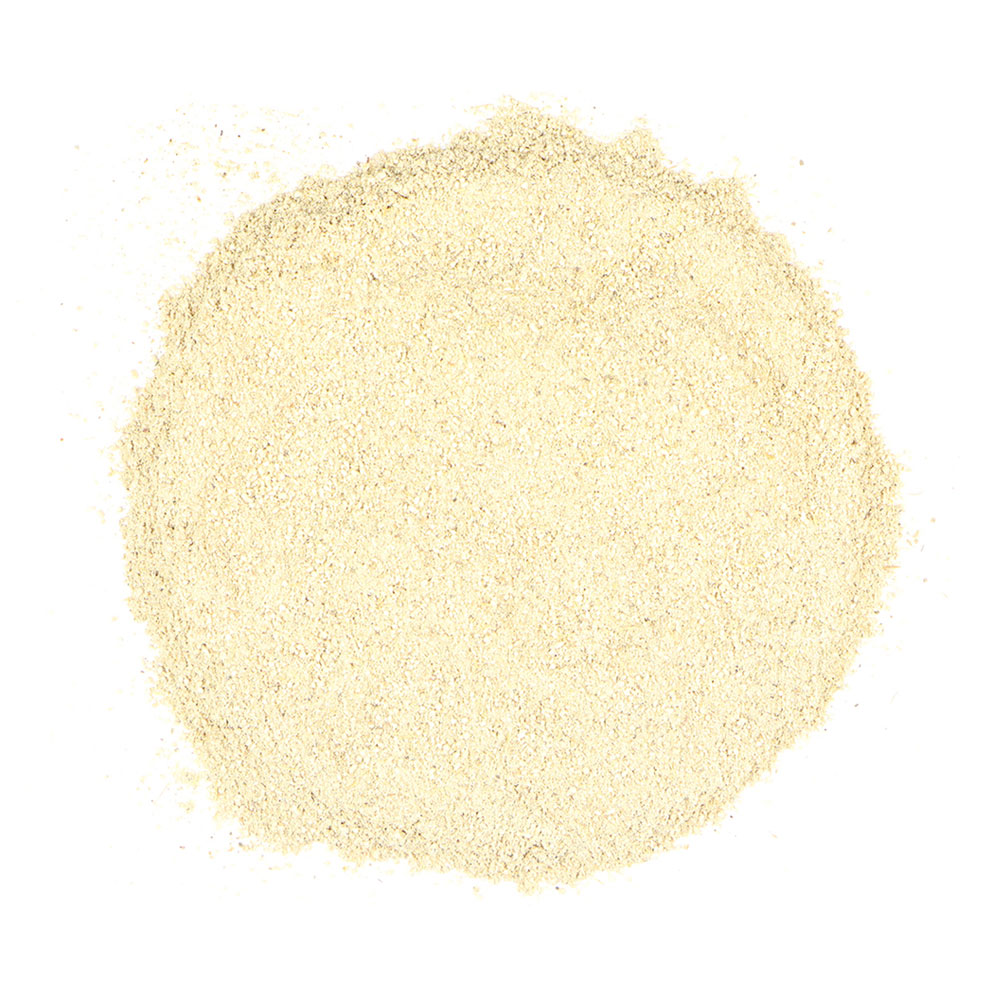
Wild yam is the root of a plant of the genus Dioscorea, offered as a powder. Herbalists refer to it as a reliable antispasmodic. It concerns mainly those interested in uterine cramps and period pain, and in spasmodic abdominal pain.
Send us a message and we reply within one working day. Or call us on (+30) 2610 221354 during shop hours.
Send a message(+30) 2610 221354Wild yam is the root of a plant of the genus Dioscorea, offered as a powder. Herbalists refer to it as a reliable antispasmodic. It concerns mainly those interested in uterine cramps and period pain, and in spasmodic abdominal pain.
The root is characterised as antispasmodic, a smooth muscle relaxant, anti-inflammatory and analgesic. Its characteristic constituent is diosgenin, a steroidal saponin, together with other saponins, tannins and starch.
One frequently misunderstood point needs clarifying: diosgenin historically served as a starting material for laboratory synthesis of steroid hormones, but the human body does not convert it into progesterone. The conversion requires chemical steps that do not occur in the body. The root is not a source of hormones nor a method of contraception.
Animal studies have recorded help in restoring moderately reduced sperm motility, lower gains in weight and body fat, and support for a healthy response to glucose. There is also research interest in hormone-dependent tumours; the data remain preclinical.
The root is traditionally associated with uterine cramp and dysmenorrhoea, with chronic pelvic pain, with urinary infection and interstitial cystitis, with spasmodic and dyspeptic pain of the abdomen, uterus and gallbladder, with colic linked to irritable bowel, with labour pains, and with arthritic and rheumatic pain.
In herbal practice wild yam is used particularly as an addition to formulas, combined with other herbs specific to the indications above, rather than as a single ingredient. It is taken as a decoction and appreciated in wellness routines focused on smooth muscle relaxation and pelvic comfort.
Decoction: half to one teaspoon of dried root in a cup of boiling water, simmered for 10–15 minutes. Drink twice daily. The root is hard and needs simmering, not a simple infusion.
Quantities are indicative, based on traditional use and published herbal literature. For prolonged use or if you are on medication, consult a health professional.
Absolutely avoided in pregnancy. Not taken while breastfeeding, for lack of data. It is not a method of contraception and does not replace hormonal therapy or a contraceptive — the opposite belief is widespread and dangerous. Saponins irritate the gastrointestinal lining: large amounts bring nausea and vomiting, and it is avoided in active gastritis or ulcer. Caution in hormone-dependent conditions and with concurrent hormonal treatment, although no direct interaction is established. Chronic pelvic pain, dysmenorrhoea and urinary infections need medical diagnosis.
No. It contains diosgenin, which served as a starting material for laboratory synthesis of steroid hormones. The body does not perform that conversion, so the root is not a source of hormones.
As a decoction: half to one teaspoon of dried root simmered in a cup of water for 10–15 minutes and drunk twice a day. The root is hard and a simple infusion is not enough.
Herbal practice mentions it mainly as an addition to formulas, alongside other herbs specific to each indication, rather than as a single ingredient.
Have you tried Dioscorea root powder? Tell us what you think.