Free shipping in Greece over €49 (first 3 kg)

Shipping to the EU · free over €200 (first 2 kg)

Medicinal & Therapeutic Herbs

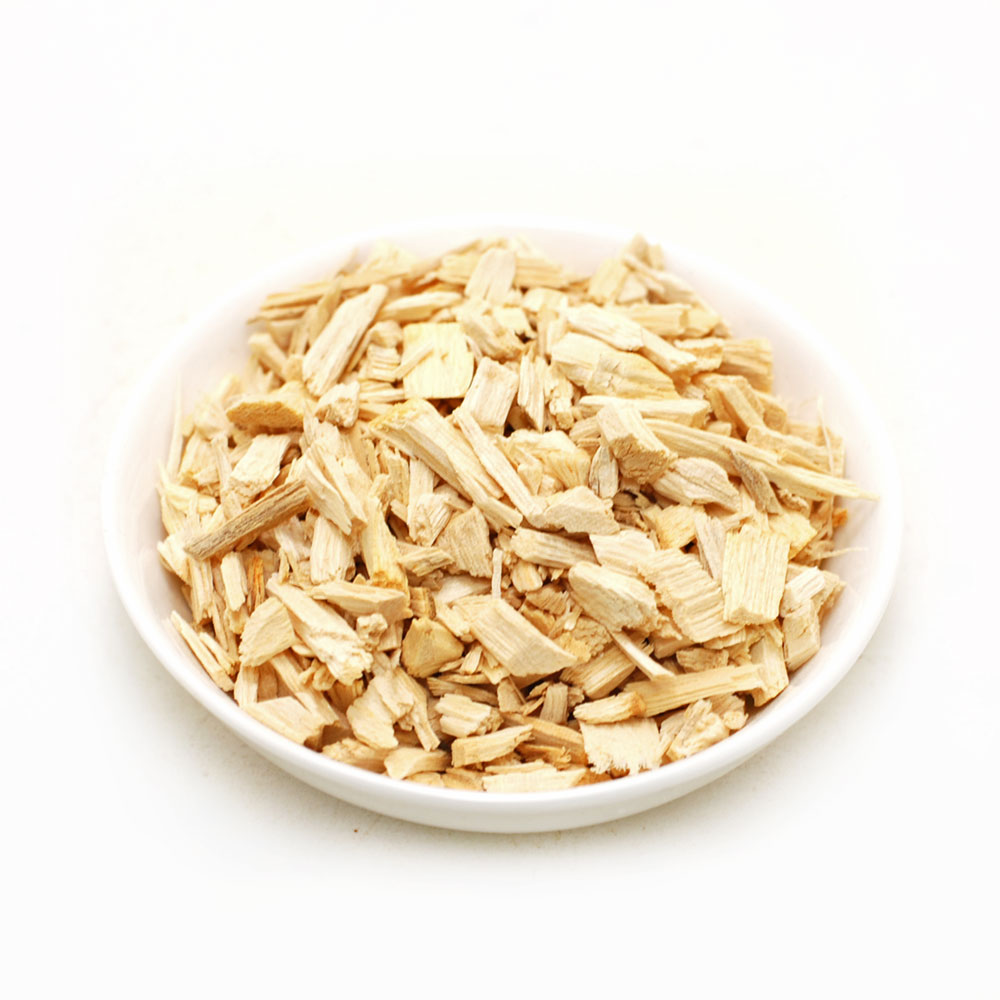
Bitterwood bark

Also known as: bitterwood, quassia bark, Jamaican quassia, Quassia, amargo, pikroxylo.

Its traditional profile concerns digestion, appetite, intestinal parasites and glucose metabolism. Quassia is used commercially for related bitter members of the Simaroubaceae family.

See the full description ↓

Write the first review Code: BMX-0365
3.00€ 60.00€ / kg Price includes VAT

Weight 50 g

In stockShips by courier in 1–2 working days

Shipping options

  • EU countries: DHL from €18 · free over €200 (first 2 kg, by volumetric weight)
  • Cyprus: ACS, BOX NOW or DHL · free with ACS or BOX NOW over €99
  • Greece: ACS or ELTA to your door from €4.00 · ACS or BOX NOW lockers from €2.40 · free over €49 (first 3 kg)
  • Usually dispatched within 1–2 business days

Everything about shipping and delivery →

Payment methods

  • Card, Google Pay, Apple Pay, with no extra charge
  • Cash on delivery (Cyprus and Greece): ACS +€2.50 · ELTA +€3.50
  • IRIS or bank transfer (Greece only)

Everything about payment methods →

Have a question about Bitterwood bark?

Send us a message and we reply within one working day. Or call us on (+30) 2610 221354 during shop hours.

Send a message(+30) 2610 221354

What it is

Its traditional profile concerns digestion, appetite, intestinal parasites and glucose metabolism. Quassia is used commercially for related bitter members of the Simaroubaceae family.

Quassinoids are exceptionally bitter compounds that stimulate taste and digestive reflexes. Bark tradition is strongest as a digestive bitter and anthelmintic, while references to blood sugar, insulin, cholesterol and weight require a research context.

Key properties

Powerful digestive bitter. Its bitter taste stimulates saliva, gastric secretions, appetite and digestive function.

Cholagogue and gastrointestinal tonic. Traditionally associated with bile secretion, slow digestion and dyspeptic discomfort.

Anthelmintic and antiparasitic. Use for intestinal worms and parasites belongs to its established traditional character.

Antimicrobial. Laboratory work has examined activity against bacteria and fungi.

Metabolic tonic. References to glucose, insulin resistance and lipids remain mainly traditional or preclinical.

Uses

Bitterwood is traditionally used for:

  • poor appetite
  • weak digestion
  • dyspepsia
  • gastrointestinal sluggishness

Its powerful bitterness may increase gastric and bile secretions. In a sensitive stomach, gastritis or ulcer, the same property may cause irritation.

Traditional anthelmintic and antiparasitic use concerns intestinal worms and parasites. Laboratory reports also include bacteria and fungi, without replacing diagnosis and specific treatment of an infection.

References to blood sugar, diabetes, insulin resistance and metabolic syndrome relate to preclinical study of glucose metabolism. The older “blood cleansing” idea is traditionally associated with cholesterol, circulation and metabolic function rather than literal cleansing of blood. Links with dieting and weight loss concern bitterness, appetite and metabolism, not a standalone slimming effect.

Preparation & dosage

Weekly preparation

  1. Boil 30 g of bark in 3.7 litres of water for 15 minutes. Two or three cinnamon sticks may be added for flavour.
  2. Turn off the heat and leave the covered decoction for one hour.
  3. Strain into a clean bottle and refrigerate.

Drink 1–2 cups daily, morning and afternoon, hot or cold. A very bitter taste is expected.

Amounts are indicative and are based on traditional use and published herbal literature. For prolonged use or when taking medication, consult a healthcare professional.

Precautions

Do not exceed the indicated amount. Stop with stomach or digestive irritation, nausea, vomiting, severe abdominal pain or persistent diarrhoea.

Avoid during pregnancy and breastfeeding and with gastric or duodenal ulcer or severe gastritis. Seek advice with antidiabetic medicine, heart conditions, rhythm-affecting medicines and before use in children. Excessive or prolonged exposure to potent quassinoids may cause serious adverse effects.

Frequently asked questions

How is bitterwood prepared?

Boil 30 g of bark in 3.7 litres of water for 15 minutes, leave for one hour, strain and refrigerate.

Why is it so bitter?

Quassinoids have an exceptionally intense bitter taste and underlie the digestive tonic character of the material.

When is bitterwood decoction taken?

The recorded use is 1–2 cups daily, usually in the morning and afternoon.

Reviews

No reviews yet

Have you tried Bitterwood bark? Tell us what you think.

You may also like

WELCOME GIFT

The herb guide

260 herbs arranged by need — to start your journey into wellbeing.

when you sign up with your email