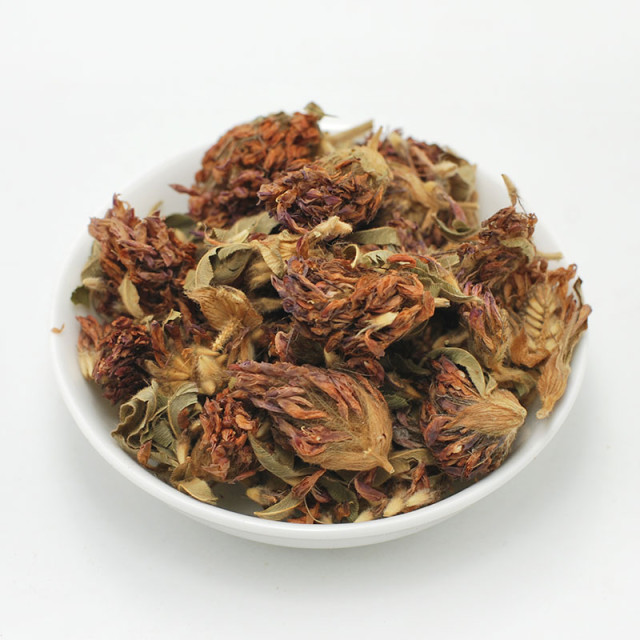
Red clover flowers
2.82€50 g · 3 weights

 Zoom
Medicinal & Therapeutic Herbs
Actaea racemosa L., syn. Cimicifuga racemosa (L.) Nutt.
Also known as: black cohosh, black snakeroot, bugbane. In Greek: τσιμιτσιφούγκα, σιμισιφούγκα.
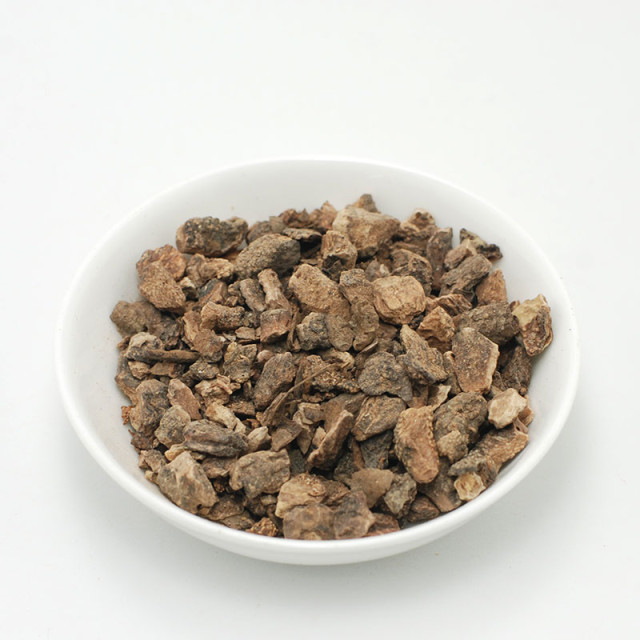
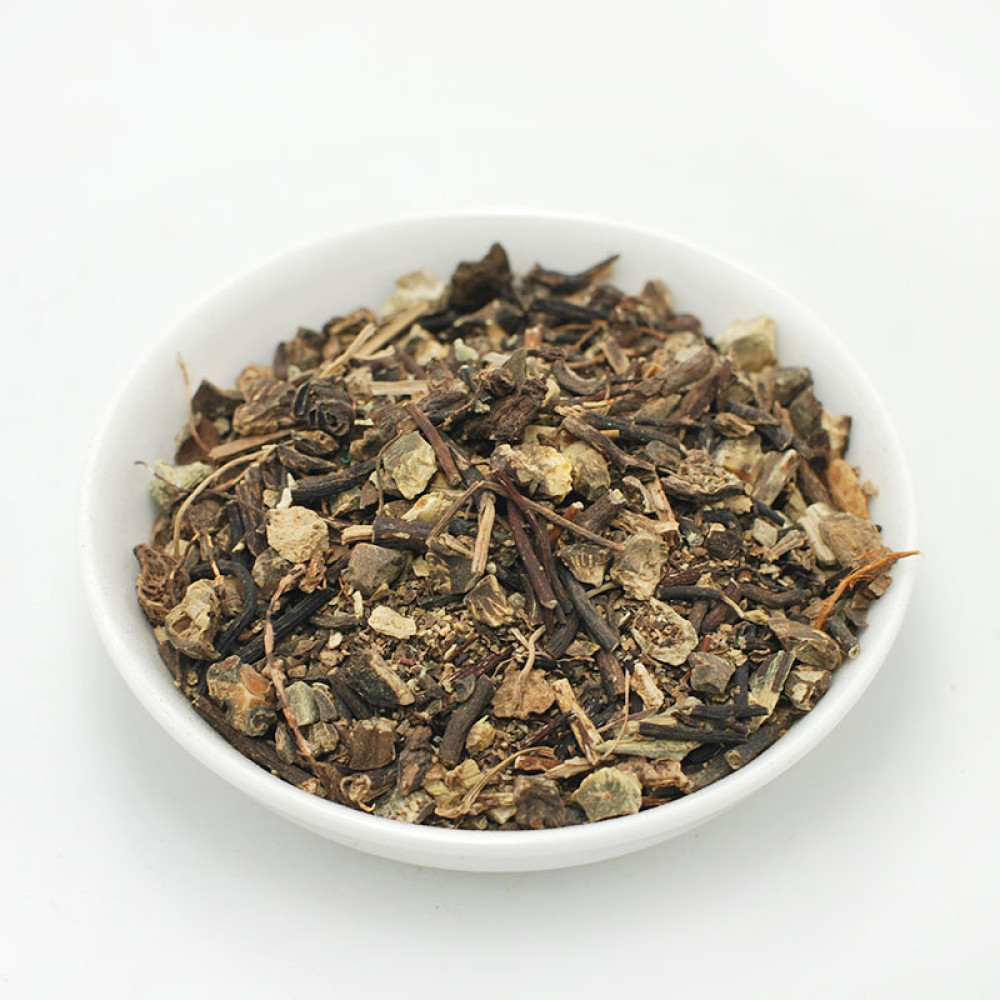
Black cohosh is the root and rhizome of the North American Actaea racemosa, also known by its older botanical name Cimicifuga racemosa. It has a long record among Indigenous peoples and later Western herbal practice, especially for menopausal symptoms and menstrual discomfort.
Send us a message and we reply within one working day. Or call us on (+30) 2610 221354 during shop hours.
Send a message(+30) 2610 221354Black cohosh is the root and rhizome of the North American Actaea racemosa, also known by its older botanical name Cimicifuga racemosa. It has a long record among Indigenous peoples and later Western herbal practice, especially for menopausal symptoms and menstrual discomfort.
Characteristic constituents include triterpene glycosides, while the precise mechanisms remain under study. The herb is not a hormone and is not equivalent to hormone replacement therapy.
Modern use focuses mainly on hot flushes and excessive menopausal sweating. Tradition describes antispasmodic and soothing roles for cramps, nervous tension and musculoskeletal discomfort. Study results vary between extracts and cannot automatically be transferred to every root preparation.
Traditional references and monographs include:
Mild decoction: use ½–1 teaspoon root per cup of water, simmered for 10–15 minutes. Because of potency and interaction concerns, systematic use and duration should be agreed with a healthcare professional.
The quantities are indicative and based on traditional use and published herbal medicine literature. For extended use or while taking medication, consult a healthcare professional.
Traditional women’s blends may pair it with lemon balm or hops, although combinations increase the need to assess sedation and interactions. Do not combine it casually with hormonal products.
Stop and seek medical advice promptly if yellow skin or eyes, dark urine, marked fatigue or upper-right abdominal pain appears, because rare liver injury reports exist. Avoid with liver disease, pregnancy and breastfeeding. Advice is needed with hormone-sensitive conditions, a history of breast or endometrial cancer, hormones, antihypertensives or other long-term medication. It is not for children or adolescents.
It is best known for menopausal hot flushes and sweating and traditionally for menstrual cramps.
The dried rhizome and roots of Actaea racemosa are used.
Jaundice, dark urine or upper-right abdominal pain calls for stopping use and medical assessment.
Have you tried Black cohosh root? Tell us what you think.
2.82€50 g · 3 weights
3.20€100 g · 2 weights
4.95€50 g · 3 weights
2.51€50 g · 3 weights