Powder
1 teaspoon dissolved in water or juice, once daily.

 Zoom
Medicinal & Therapeutic Herbs
Uncaria tomentosa (Willd. ex Schult.) DC.
Also known as: Cat's claw, uña de gato, Uncaria tomentosa, garabato, ounkaria.
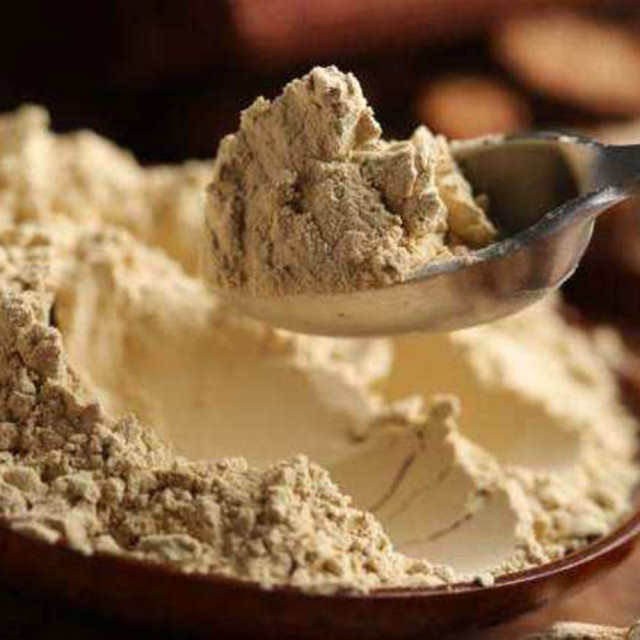
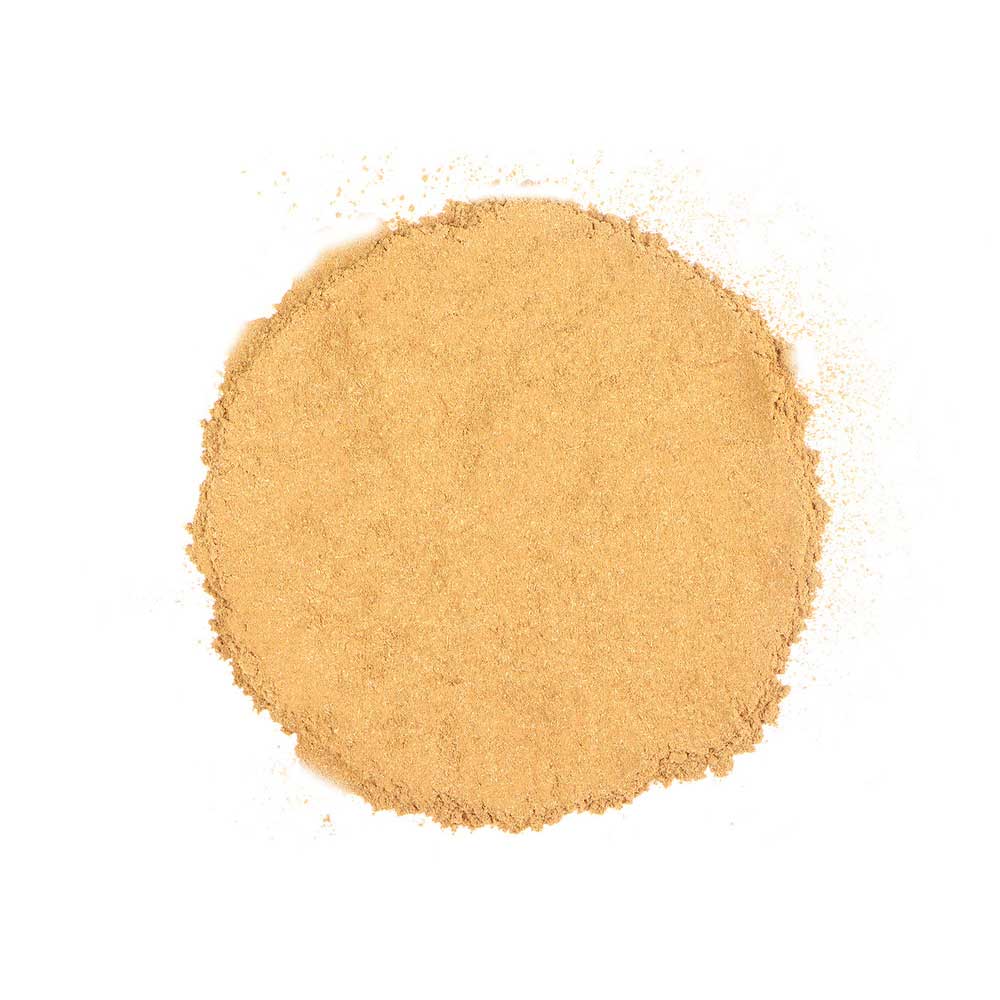
Uncaria tomentosa is the bark of an Amazonian climbing vine, offered as a powder. Its thorns resemble a cat's claws — the origin of the name. It concerns mainly those seeking immune support and management of inflammatory conditions such as arthritis.
Send us a message and we reply within one working day. Or call us on (+30) 2610 221354 during shop hours.
Send a message(+30) 2610 221354Uncaria tomentosa is the bark of an Amazonian climbing vine, offered as a powder. Its thorns resemble a cat's claws — the origin of the name. It concerns mainly those seeking immune support and management of inflammatory conditions such as arthritis.
The bark is characterised as anti-inflammatory, immunostimulant, antioxidant, antiviral and antimicrobial. This character rests on oxindole alkaloids, polyphenols, flavonoids, tannins and quinovic acid glycosides.
Its compounds stimulate white blood cell activity and strengthen the body's capacity against infections, viruses and other pathogens. Its antioxidant polyphenols reduce oxidative stress and cell damage. Some research describes neuroprotective effects with possible interest for Alzheimer's and Parkinson's disease, while preliminary studies on extracts have examined the growth of tumour cells. In both cases the data remain preclinical.
The bark is associated with arthritis, rheumatism and other inflammatory disorders, with immune support and infections caused by bacteria, viruses and fungi, with gastritis, ulcers and inflammatory bowel disease, and with cardiovascular health through its antioxidant action.
In the tradition of Peru and the Amazon basin the bark is simmered and drunk in cycles. In powder form it is appreciated in wellness routines focused on immune balance, joint comfort and gut health. The taste is woody and strongly astringent, so it is usually mixed with juice or honey.
1 teaspoon dissolved in water or juice, once daily.
1 teaspoon in a cup of water, simmered for 10–15 minutes. The bark is hard and needs simmering, not a simple infusion. Use is in cycles of a few weeks with breaks in between, not continuously.
Quantities are indicative, based on traditional use and published herbal literature. For prolonged use or if you are on medication, consult a health professional.
Contraindicated in pregnancy: traditional Amazonian use of the plant includes abortifacient action. Not taken while breastfeeding. As an immunostimulant it is contraindicated in autoimmune disease, with immunosuppressant medication and in transplant recipients, where it may promote rejection. Not combined with anticoagulants and stopped two weeks before surgery.
Interactions have been reported with drugs metabolised by cytochrome P450, and with antihypertensives. Possible adverse effects: nausea, diarrhoea, headache. Not given to children. Arthritis, inflammatory bowel disease and ulcers require medical diagnosis and follow-up.
One teaspoon in water or juice, once a day. Alternatively the bark is simmered for 10–15 minutes as a decoction.
No. Traditional use is in cycles of a few weeks with breaks in between, particularly because it is an immunostimulant herb.
Pregnant and breastfeeding women, anyone with an autoimmune condition or on immunosuppressants, transplant recipients, anyone taking anticoagulants, and children.
Have you tried Uncaria tomentosa bark powder? Tell us what you think.