 BIO Zoom
Medicinal & Therapeutic Herbs
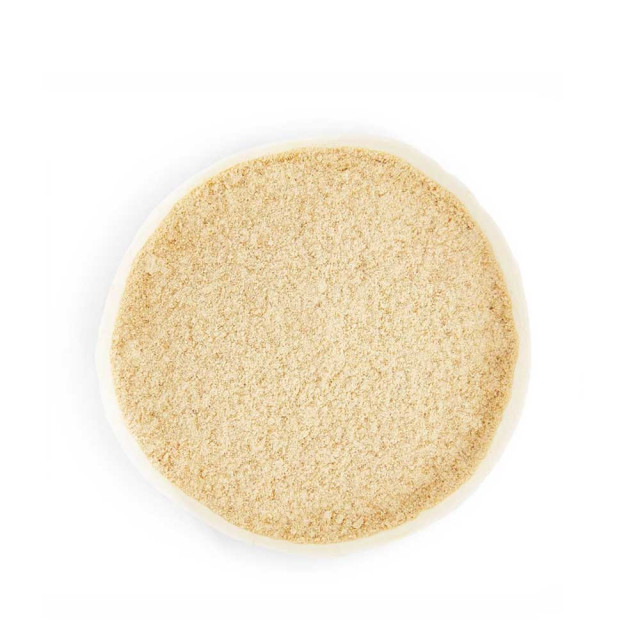
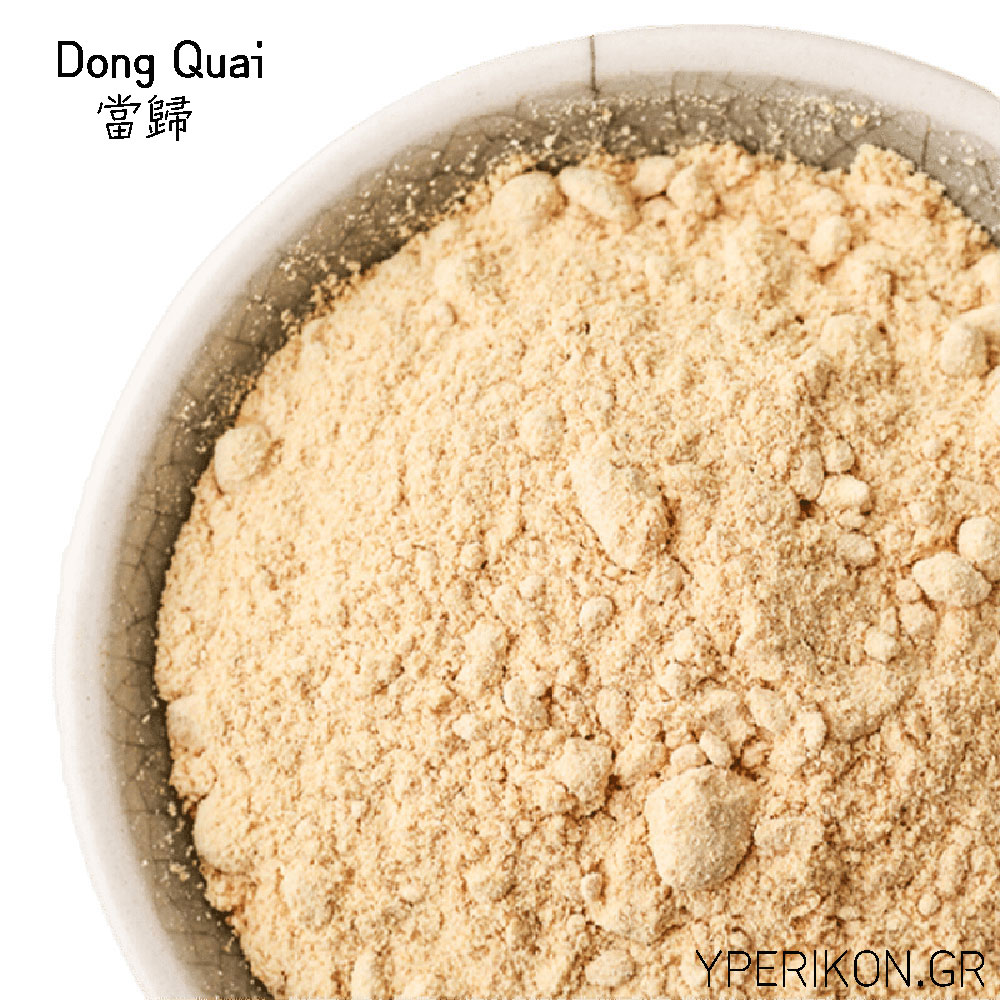
Organic dong quai root powder
Angelica sinensis (Oliv.) Diels.
Also known as: Chinese angelica, female ginseng, dang gui, tang kuei, don quai, Angelicae Sinensis radix.
Dong quai is the root of Angelica sinensis, one of the best-known traditional Chinese herbs for women’s reproductive wellness. It is often called female ginseng, although it is not a member of the genus Panax. The organic powder can be blended into water, juice or another drink.
Shipping options
- EU countries: DHL from €18 · free over €200 (first 2 kg, by volumetric weight)
- Cyprus: ACS, BOX NOW or DHL · free with ACS or BOX NOW over €99
- Greece: ACS or ELTA to your door from €4.00 · ACS or BOX NOW lockers from €2.40 · free over €49 (first 3 kg)
- Usually dispatched within 1–2 business days
Payment methods
- Card, Google Pay, Apple Pay, with no extra charge
- Cash on delivery (Cyprus and Greece): ACS +€2.50 · ELTA +€3.50
- IRIS or bank transfer (Greece only)
Send us a message and we reply within one working day. Or call us on (+30) 2610 221354 during shop hours.
Send a message(+30) 2610 221354What it is
Dong quai is the root of Angelica sinensis, one of the best-known traditional Chinese herbs for women’s reproductive wellness. It is often called female ginseng, although it is not a member of the genus Panax. The organic powder can be blended into water, juice or another drink.
Chinese tradition classifies it as a blood tonic and uses it around the menstrual cycle, postpartum recovery and exhaustion. Modern research examines its volatile constituents and phenolic acids, but human evidence differs markedly between uses.
Key properties
Characteristic constituents include ligustilides and ferulic acid, together with coumarins, phytosterols, polysaccharides and flavonoids. Laboratory studies have explored effects on smooth muscle, inflammatory response, circulation and platelet aggregation. These findings help explain traditional uses, although study extracts are not always equivalent to root powder.
The traditional phrase “nourishing the blood” belongs to a Chinese diagnostic framework. In modern language it is best understood as support for vitality, the cycle and recovery, not as a measured effect on haemoglobin or a specific blood disorder.
Uses
Principal traditional and research-related references include:
- premenstrual syndrome and menstrual cramps, with interest in smooth-muscle relaxation
- menopause and hot flushes, where human evidence remains mixed
- cycle regulation and traditional use for hormonal imbalance
- traditional support for symptoms associated with polycystic ovary syndrome
- recovery and restored strength after childbirth or illness
- vaginal discomfort and infections in traditional literature, requiring medical diagnosis
- general exhaustion, weakness and reduced vitality
- circulation, high blood pressure and cardiovascular wellness as research fields
- inflammation, headache and nerve pain in traditional use
- infections and immune response primarily in preclinical work
- liver and kidney themes in traditional formulas, without conclusions for organ disease
- female libido and broader reproductive wellness.
Dong quai extracts have been explored in preclinical cell models of brain tumours, leukaemia and colorectal cancer, with the evidence remaining at an early laboratory stage.
Preparation & dosage
Root powder: the indicative traditional amount is 1–5 g daily for general traditional use. A higher range of 5–10 g daily divided into three portions belongs to Chinese practitioner-led use. Mix the powder into water, juice, a smoothie or a warm drink. A precision scale is preferable to a spoon for repeatable measurement.
The quantities are indicative and based on traditional use and published herbal medicine literature. For extended use or while taking medication, consult a healthcare professional.
Combinations with other herbs
In Chinese tradition dong quai is rarely used alone and usually appears in individualised formulas. For simple Western use it may be paired with ginger for flavour or cinnamon in a warm drink, without replacing professional assessment of gynaecological symptoms.
Precautions
Avoid during pregnancy and breastfeeding, with heavy or unexplained bleeding and before surgery. Coumarins and possible platelet effects require caution with anticoagulant, antiplatelet and other medicines that increase bleeding risk. Seek medical guidance with hormone-sensitive conditions, diabetes and serious liver or kidney disease. Digestive discomfort, headache or photosensitivity may occur, so avoid excessive sun exposure.
Frequently asked questions
What is dong quai best known for?
Traditional support for the menstrual cycle, menstrual cramps, PMS and menopause.
How is dong quai powder taken?
The indicative traditional amount is 1–5 g daily mixed into water or another drink, ideally weighed for accuracy.
Is caution needed with anticoagulants?
Yes. Coumarins and possible platelet effects require guidance from a healthcare professional.
- Pharmacological effects of Radix Angelica Sinensis (Danggui) on cerebral infarction
- Assessment report on Angelica sinensis (Oliv.) Diels,radix (Europenas Medicine agency)
- Bioactivities of major constituents isolated from Angelica sinensis (Danggui)
- Nonhormonal therapies for hot flashes in menopause
Reviews
Have you tried Organic dong quai root powder? Tell us what you think.