 Zoom
Medicinal & Therapeutic Herbs
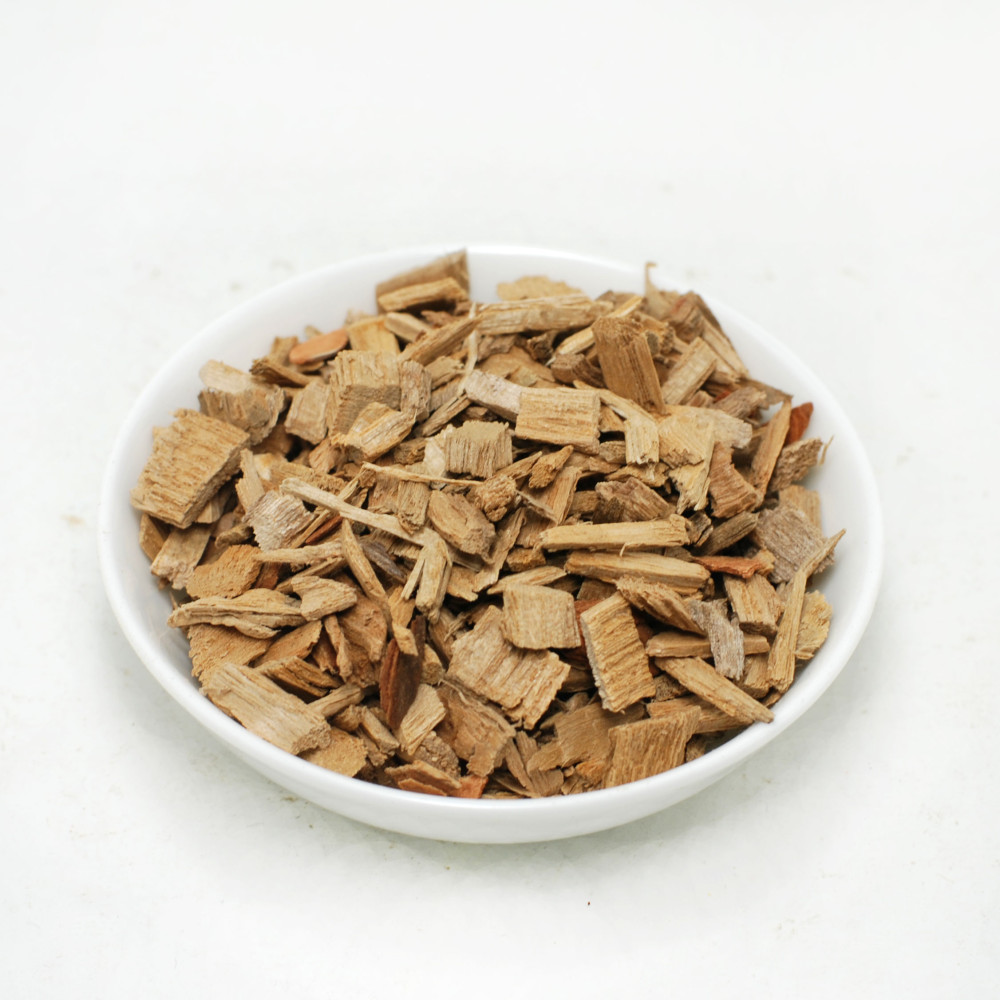
Sassafras root
Sassafras albidum (Nutt.) Nees
Also known as: Sassafras, White Sassafras, Ague Tree.
Internal use is not recommended. Consult a qualified professional before any use.
Shipping options
- EU countries: DHL from €18 · free over €200 (first 2 kg, by volumetric weight)
- Cyprus: ACS, BOX NOW or DHL · free with ACS or BOX NOW over €99
- Greece: ACS or ELTA to your door from €4.00 · ACS or BOX NOW lockers from €2.40 · free over €49 (first 3 kg)
- Usually dispatched within 1–2 business days
Payment methods
- Card, Google Pay, Apple Pay, with no extra charge
- Cash on delivery (Cyprus and Greece): ACS +€2.50 · ELTA +€3.50
- IRIS or bank transfer (Greece only)
Send us a message and we reply within one working day. Or call us on (+30) 2610 221354 during shop hours.
Send a message(+30) 2610 221354Important warning
Internal use is not recommended. Consult a qualified professional before any use.
What it is
Sassafras is a deciduous tree native to eastern North America, with distinctive three lobed leaves and a strongly aromatic root. The root and root bark are the parts used. It was among the first plant products exported from North America to Europe.
Traditional use
In traditional American and European herbal practice, sassafras was regarded as a "blood cleanser" — a purifying herb believed to help clear substances thought to cause skin irritation.
On that reasoning, preparations of it were formerly used for skin conditions such as eczema and psoriasis, and applied topically as poultices to ease itching.
Historically the aroma of the root formed the basis of American root beer, before it was replaced by other flavouring materials.
Safrole & regulatory position
The essential oil of sassafras contains safrole, a compound found to be hepatotoxic and carcinogenic in laboratory studies.
- Safrole is among the substances subject to maximum levels under Regulation (EC) 1334/2008 and may not be added as such to food.
- The FDA has banned the use of safrole and sassafras oil in foods, beverages and dietary supplements.
- Taking it as a decoction or tea is not recommended.
- Even topical application may cause skin allergy or irritation.
For skin conditions such as eczema and psoriasis, current advice points to approved medical treatments or safer natural alternatives — such as oats, chamomile or aloe — after consulting a dermatologist.
Reviews
Have you tried Sassafras root? Tell us what you think.