Leaf infusion
Use 1–2 g, about 1 teaspoon, in 200 ml boiling water. Cover for 10–15 minutes, strain and take up to 3 times daily. Alternatively, prepare 10 g of leaves in 1 litre of water and divide into 3 cups through the day.

 Zoom
Medicinal & Therapeutic Herbs
Mentha spicata L.
Also known as: garden mint, green mint. In Greek: δυόσμος φύλλα.
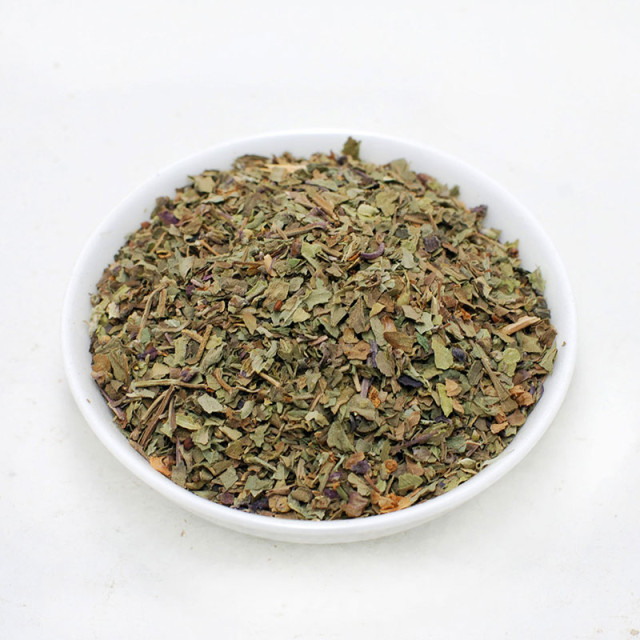
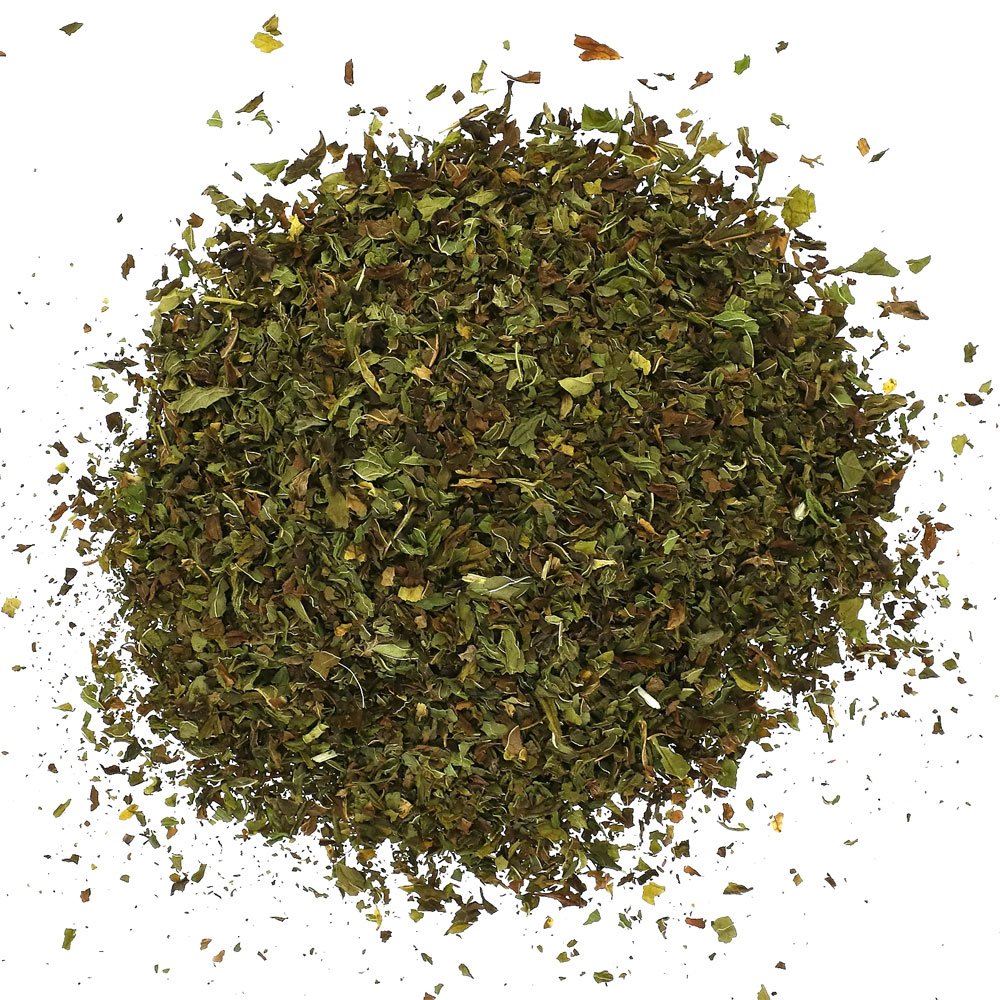
Spearmint is a sweet, cooling aromatic herb distinct from peppermint. It is used in cooking and as a mild tea for digestion, bloating and nausea.
Send us a message and we reply within one working day. Or call us on (+30) 2610 221354 during shop hours.
Send a message(+30) 2610 221354Spearmint is a sweet, cooling aromatic herb distinct from peppermint. It is used in cooking and as a mild tea for digestion, bloating and nausea.
Traditional literature describes spearmint as aromatic, tonic, antiseptic, astringent, mildly anaesthetic, diuretic and supportive of bile flow. Carvone gives the characteristic aroma, while phenolic constituents add antioxidant character. Arab tradition records mint tea as a stimulant of sexual desire. Small clinical studies have examined hormonal markers, but spearmint is not a treatment for hormonal disorders.
Recorded uses of the herb include:
Tradition also links it with libido and a natural aphrodisiac character.
It is chosen after food for digestion. Spearmint (Mentha spicata) is related to peppermint (Mentha × piperita) but is a different botanical species.
In cooking it flavours sauces, salads, red meat, meatballs, pies, omelettes, wine and vinegar.
Use 1–2 g, about 1 teaspoon, in 200 ml boiling water. Cover for 10–15 minutes, strain and take up to 3 times daily. Alternatively, prepare 10 g of leaves in 1 litre of water and divide into 3 cups through the day.
The quantities are indicative and are based on traditional use and published phytotherapy literature. For prolonged use or when taking medication, consult a qualified healthcare professional.
For bloating it combines with fennel or anise, for nausea with ginger, and for a gentle evening tea with lemon balm.
Spearmint is Mentha spicata, with a sweeter aroma led by carvone; peppermint is a different mint species.
It is commonly taken after food for bloating, gas, mild indigestion or nausea.
It suits salads, sauces, meatballs, pies, omelettes, meat and flavoured vinegar.
Have you tried Spearmint leaves? Tell us what you think.
1.30€50 g · 3 weights
1.45€50 g · 3 weights
1.68€50 g · 3 weights
2.30€50 g · 3 weights