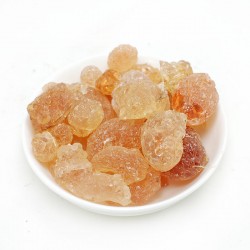
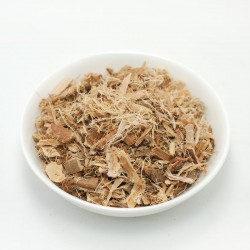
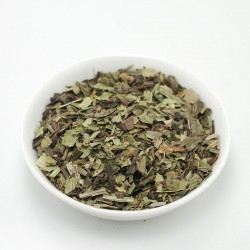
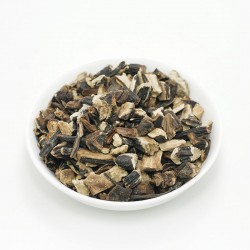
The seeds, leaves and bark of the horse chestnut tree have traditionally been used for medicinal purposes. It originates from India, and today it thrives in most of the Northern Hemisphere.
Basic Properties: anti-inflammatory, analgesic, blood circulation stimulant, strengthening of the walls of blood vessels
How is it used: For the treatment of thrombophlebitis, the decoction or tincture of the herb (or seed extract) is used.
Special precautions: Internal use of the dried leaves and bark is generally considered safe for short periods of time, as are modern seed extracts when used strictly according to their instructions. Rarely can cause stomach upset. However, it should be avoided by people suffering from liver disease. or kidneys. It is advisable to consult a specialist when using horse chest nut preparations.
What is agar? Agar (or agar-agar) is a thickening agent derived from a seaweed (red algae) of Southeast Asia. It was discovered around 1650 by a Japan..
Grapevine (Vitis vinifera), Grapevine red vine leaves Vine leaves owe their beneficial properties to the presence of various substances that offer blo..
Arabic gum Other Names: gum Gum arabic is made from the exudate of the stem and branches of the Acacia senegal and Acacia seyal trees in the Sahara de..