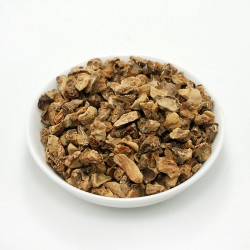
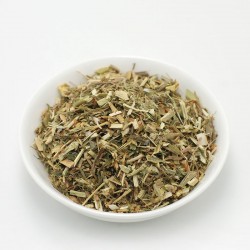
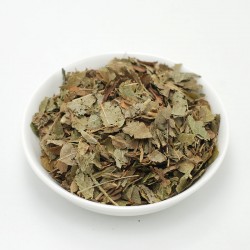
Uses: The roots of hellebore are poisonous with particular use in the pharmaceutical industry. Until the end of the 19th century, medicines were prepared from hellebore for the treatment of mania, melancholy, hypochondria, and even epilepsy ; and it was also used as an emmenagogue, anthelmintic, against dropsy and in chronic skin diseases. It was used in the form of a powder or tincture. Hellebore is caustic with a sharp taste. It has narcotic properties and paralyzes both sensory and motor neurons . It causes symptoms of typhus, muscle paralysis, collapse and edema. Helleborein has a sweet taste, is a laxative and has an effect on the heart.
"There are many studies that strongly support the view that extracts of plants belonging to this genus have beneficial therapeutic effects . It is known that its active properties can make it an effective treatment in anti-inflammatory and antirheumatic conditions, and they have proven efficacy as immunostimulants, antioxidants, antimicrobials and anticancer agents. Further extensive research is needed"*
"In in vitro testing, Hellebore extracts on different cancer and leukemia cell lines and primary cells from childhood ALL and AML patients 'showed potent inhibition of proliferation caused by specific induction of apoptosis, which is carried out through the mitochondrial pathway and caspase-3 processing... The in vitro efficacy of H. niger extract on hematological malignancy cells should encourage in vivo experiments."
How is it used: Its use should only be done under the guidance of a specialist.
Special precautions: The plant's sap causes redness on the skin. The herb causes the same poisonings as digitalis. In contact with the teeth, it blackens them and possibly destroys them.
The information posted on our website regarding health issues is purely informative and does not constitute medical advice. For any medical issue concerning your health, the only person competent to advise you is your personal physician.
Arctostaphylus Uva Ursi (Arctostaphylus Uva-Ursi) Other Names: Bear Cub A plant of cold, northern climates with red flowers and fruits. For therapeuti..
Galega off., Goat's rue Other Names: Galegi, Tame Clover The properties of Galega are similar to the guanidines that act on the A cells of Langerhans ..