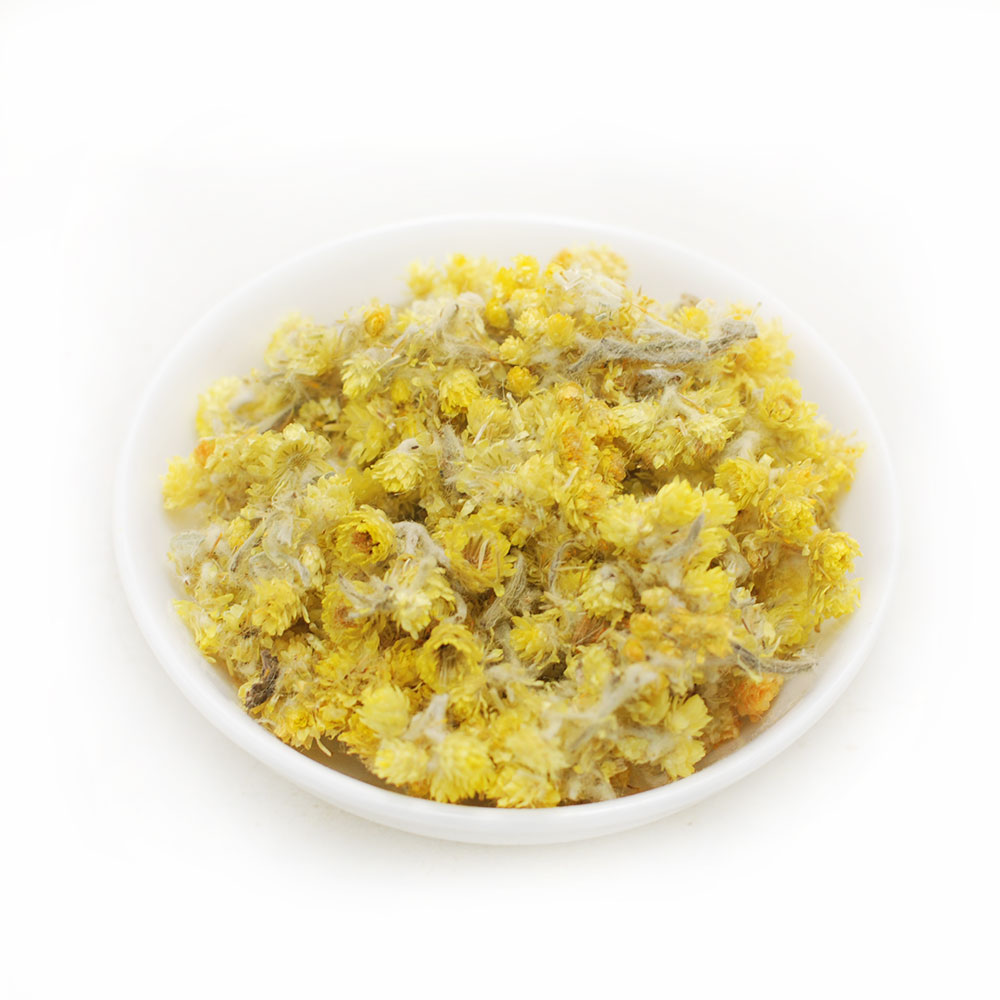
Other Names: Helichrysum the Precious, Amaranth, Sempreviva, Lemonium the Colpoto
The golden flower of the Greek countryside that is always in bloom ! It symbolizes eternal love and is associated with the myth of Paris and the beautiful Helen. The name Helichrysum comes from the Greek words. "Sun" and "Gold" symbolically referring to the numerous clusters of tiny yellow flowers of
The myth says that when Paris stole the beautiful Helen from Sparta and while they were traveling to Troy, they stopped in Kythera to make libations in honor of the goddess Aphrodite who protected them. There they spent a few days and consummated their love. However, the beautiful Helen envied the sight of Aphrodite who, according to mythology, lived on the island and demanded from Paris to tell her that she was the most beautiful woman. Paris, wanting to reassure the beautiful Helen, said to her, showing her the yellow flower: "Do you see this flower? Your hair has its golden color, your body resembles its stem and your skin is soft like its petals. Your beauty will be preserved like this forever". And the flower was named sempervivum
Basic Properties: antibacterial, anticoagulant, antifungal, anti-inflammatory, antioxidant, antibiotic and antimicrobial, antispasmodic, expectorant, diuretic, healing, soothing and anaplastic locally on the skin
Uses: for digestive disorders, for muscle pain, headaches, stimulates blood circulation, externally for bruises, acne and acne scars, abrasions, infections, irritations and dermatitis, Detoxification of the blood, stimulation of the liver, kidneys, gallbladder, spleen and pancreatic organs. Used for bronchitis, asthma, whooping cough, psoriasis, burns, rheumatic headaches, migraines, allergies and liver diseases.
Where can Helichrysum help us?
Circulatory system Due to compounds called beta-diones, helichrysum has anticoagulant properties, making it applicable in the treatment of any severe bruise.
Detoxification It purifies the blood, stimulates the liver, gallbladder, kidneys, spleen and pancreas. Useful in lymphatic drainage. As a liver stimulant, Helichrysum can be taken orally in small doses.
Skin problems Due to its anti-inflammatory properties, it is recommended for the treatment of eczema and allergies. Helichrysum oil can be added to an open wound before dressing it. It will not cause any irritation, reduce swelling, inflammation and increase the speed of the healing process.
Musculoskeletal system Its analgesic and anti-inflammatory properties make it beneficial for treating rheumatoid arthritis.
Respiratory system Due to its mucolytic, antispasmodic and expectorant properties, it is beneficial for treating sinus infections, bronchitis and coughs.
Skin care It is used in skin care for its anti-inflammatory properties. It is recommended where there is inflamed tissue that needs to be soothed and regenerated.
Skin Infections - germs Helichrysum has been reported to exhibit antimicrobial properties in vitro against Staphyloccus aureus, Escherichia coli, a species of Mycobacterium, and Candida albicans. Washes with Helichrysum infusion neutralize microbes that damage the skin.
Aromatherapy - Energy therapy
In aromatherapy, Helichrysum/Immortelle supports and supports the soul to deal with difficult emotions, traumas or issues that we have buried in the subconscious or qualities within ourselves that we do not like to acknowledge (the "shadow" in Jungian psychology). It creates a caring environment that promotes inner peace and promotes spiritual practice. Many natural healers use Helichrysum infusion as a bath or with washes to "energetically" cleanse the body.
How is it used:
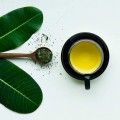
Internally, the flowers as an infusion: leave 1 teaspoon in 1 cup of boiled water for about 10 minutes. Strain and drink up to 2-3 times a day.
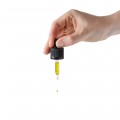
Externally, we use the infusion of the flowers, the extract in oil or the essential oil of helichrysum, as a lotion beneficial for skin problems and psychosomatic stimulation.
Special precautions: Due to its anticoagulant effect, we inform our doctor if we are taking medication or are about to have surgery.
Frankincense (Boswellia sacra), Olibanum, Frankincense It is the "tear" from the cut of the Boswellia sacra tree. The collection of these knots (or te..
OIL SOAP WITH DONKEY MILK 100g. With pure ingredients such as virgin olive oil and donkey milk, we created a soap jewel that is worth trying. In a sup..
Activated carbon powder from coconut 50g. (cosmetic use) Charcoal Powder is an amazing product that has many applications. It is essentially 100% pure..
GREEN CLAY powder 100g. Suitable for oily & combination skin, especially acne-prone. Regulates sebum secretion and removes dead skin cells. cells. How..
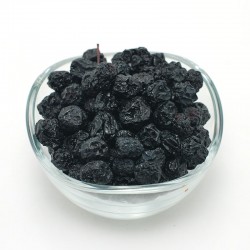
ARONIA osmotic X/Z One of the most valuable plants with a large amount of polyphenols, vitamins A, B1, B2, B3, B6, B9, E, K, P and trace elements. The..
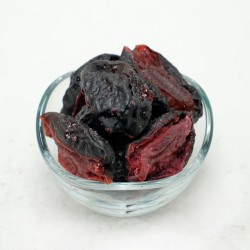
PLUM kernels osmotic dehydration, sugar & preservatives free These plums are fleshy-crisp in texture and very rich in flavor. We highly recommend them..