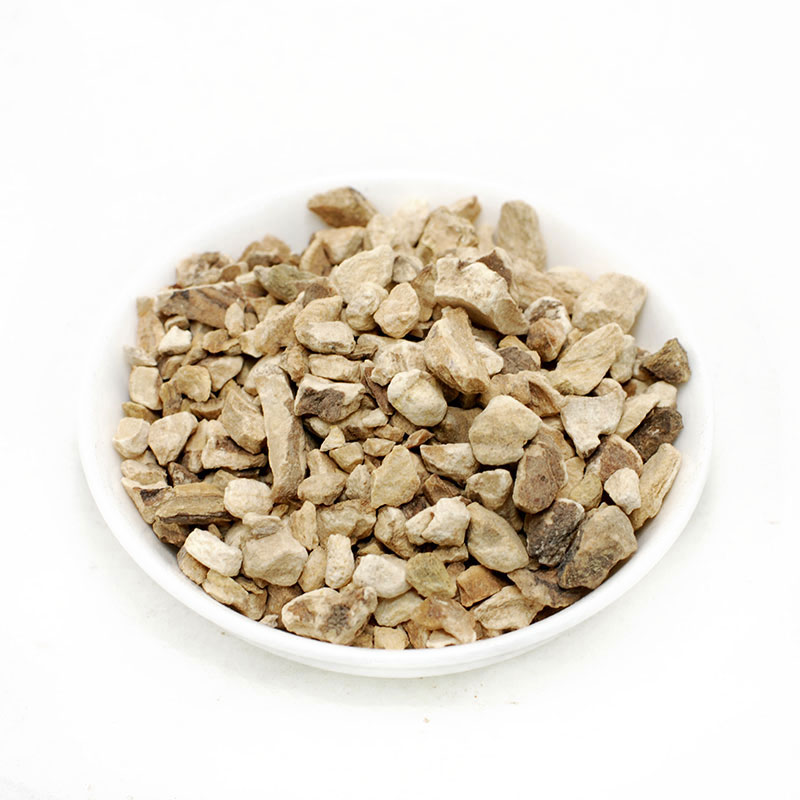
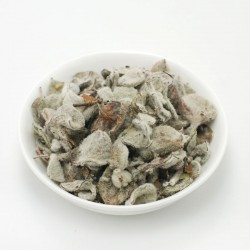
Mandrake root (Atropa mandragora, Mandragora officinalis), European Mandrake Other names: Devil's apple, alanthropus, arkanthropos, mandrake, avgoudatsa, megalobatani
Traditional references Mandrake was used by the ancients, who considered it an analgesic and hypnotic . In large doses it is said to lead to delirium and even madness. It was used to induce rest and sleep in constant pain , also in melancholy, spasms and rheumatic pains. Most used the bark of the root, either by straining its juice or by infusing it in wine or water. The root, grated, made into a pulp and mixed with brandy, was considered very effective in chronic rheumatism.
Mandrake was used in the time of Pliny as an anesthetic in surgeries . A piece of the root was given to the patient to chew before undergoing surgery. In small doses, it was used by the ancients in cases of mania.
The ancient lexicographer Soudas noted the "hypnotic" effects of mandrake, while Hildegard von Bingen claimed that it caused " hallucinations ". In the 1950s, an experiential report described mandrake as bringing about "a state of intoxication, narcotization, hallucinations, visions". More modern research, including in the field of homeopathy, has shown that the effects of mandrake are very similar to those of Belladonna, including the following clinical symptoms: dry mouth, nose, and throat; muscle weakness; an increase in heart rate; eye issues such as hyperopia and dilation of the pupil; and immediate short-term memory loss (Ratsch 1998, 355).
Toxicity & contemporary use The root of Mandragora officinarum contains 0.4% tropane alkaloids. The main alkaloids are hyoscyamine and scopolamine . The substances atropine , and mandragorine are also present (Ratsch 1998, 355).
The leaves of the Mandrake are considered quite harmless and refreshing, and have been used for ointments and other external applications. The fresh root acts as a powerful emetic and laxative. The dried bark of the root was also used as a powerful emetic . Contemporary reports of mandrake wine describe a more pleasurable experience, including a sense of pleasure flowing through the body, a mild euphoria, and dream activity, with a greater frequency of sexually oriented dreams. Minor cranial pressure and visual hallucinations may occur.
Today, the tincture of fresh Mandrake is used in homeopathy.
Caution: Mandrake is considered toxic and should not be used by non-specialists.
VITAMIN C® 1000mg (ascorbic acid with Acerola & Rosehip) 60 Caps Vitamin C (ascorbic acid) with Acerola and rosehip fruit Vitamin C plays the role of ..
Myrrh / Myrrh resin It is the resin of a tree belonging to the Burseraceae family and the species Commiphora myrrha . It is a plant native to East Afr..
ACAI BERRRIES powder (freeze dried) organic 60g Organic farming product from Brazil The world's number one superfruit is simply a high-performance fue..
Superfood Powder Blend – Natural Toning 100g We have combined natural superfoods in powder form for you, resulting in a blend that will overall stimul..
ZEOLITE THE DETOXIFIER ... THE GOLD OF LIFE WITH PRODUCT ANALYSIS AND CERTIFICATE OF SUITABILITY FOR HUMAN USE. Product of Serbia A natural product wi..
Greek balsamic oil (Spatholado), Hypericum oil St. John's wort oil (Perforatum Hypericum) Balsam oil or St. John's wort, as it is often called, is pro..