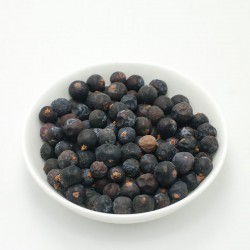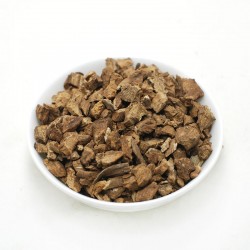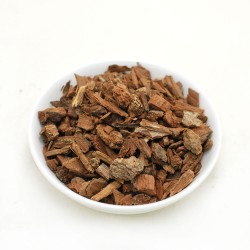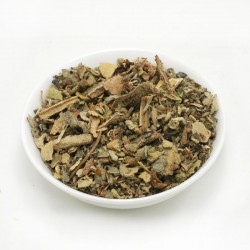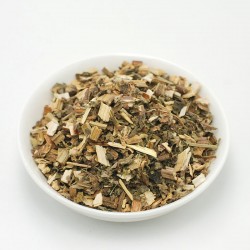








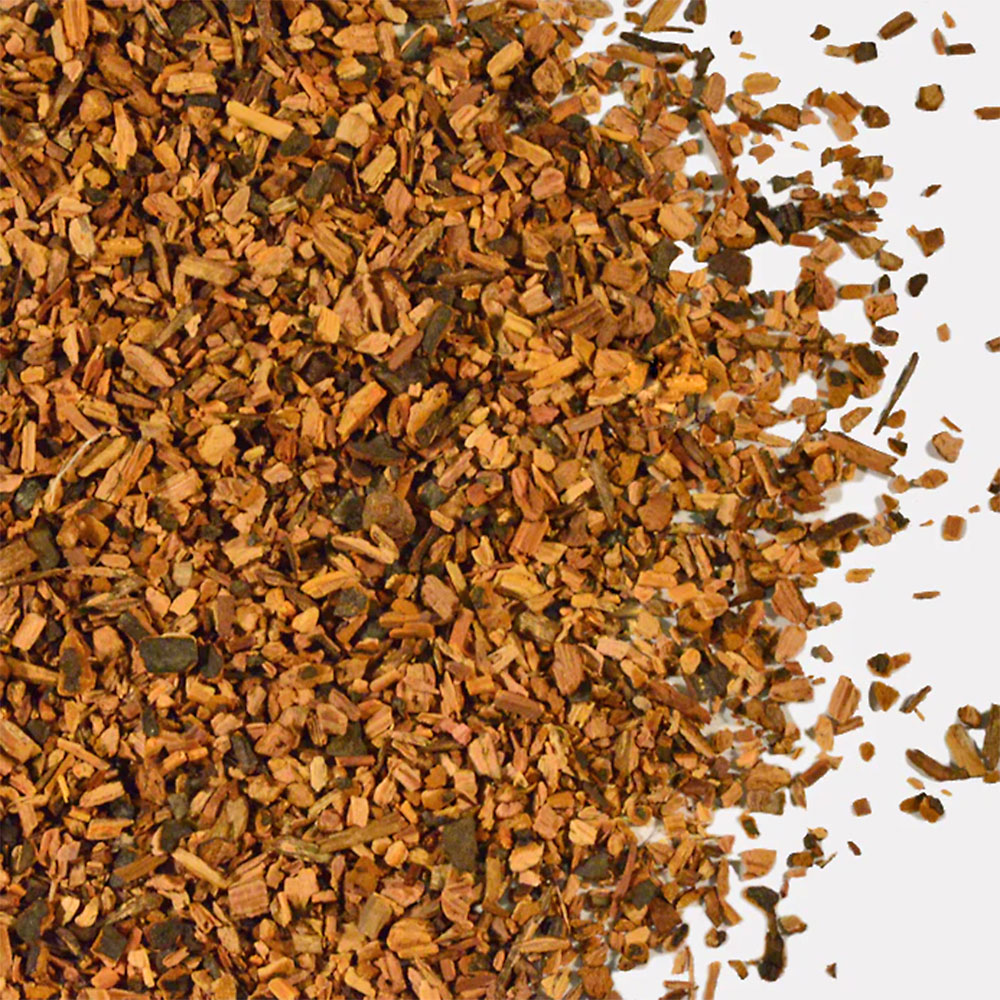
- Stock: In Stock
- Model: ΒΜΧ-0372
Available Options
Smilax (Smilax sp.), Sarsaparilla
Other names : Sarsaparilla, Bearberry, Antjoulovatos,
For centuries, indigenous people around the world have used the root of the sarsaparilla plant to treat joint problems such as arthritis and to treat skin problems such as psoriasis, eczema, and dermatitis . The root was also thought to treat Hansen's disease (leprosy) due to its "blood-cleansing" properties.
Sarsaparilla is a broad-spectrum tonic. It can help the body function properly as a whole and correct widespread organic problems such as skin diseases and rheumatic conditions. Sarsaparilla has also been shown to contain sciatica that helps with testosterone activity in the body.
How is it used:
Sarsaparilla root as a decoction: Pour 1-2 teaspoons of the root into a cup of water, boil and then lower the heat and simmer for 10-15 minutes. The drink should be drunk three times a day
The myth-History
The plant took its name from Greek mythology. The beautiful nymph Smilax was in love with the young mortal Spartan Crocus. Due to their unrequited love, the young Crocus was transformed by the God Hermes into the plant of the same name. The nymph Smilax, unable to bear this fact, begged the Gods to transform her into a plant as well, so that she could be near her beloved. Indeed, the Gods granted her wish, but because they wanted to punish her at the same time, they condemned her to grow away from the ground, where her beloved Crocus was, so they transformed her into a climbing plant.
The main benefits and where it can be used
Sarsaparilla contains a variety of plant chemicals that are believed to have beneficial effects on the human body. Chemicals known as saponins may help reduce joint pain and itchy skin, and may also kill bacteria. Other chemicals may be helpful in reducing inflammation and protecting the liver from damage . It is important to note that human studies for these claims are either very old or lacking. The studies listed below used the individual active ingredients in this plant, single cell studies, or studies in mice. While the results are very interesting, human studies are needed to support the claims.
1. Psoriasis
The benefits of Sarsaparilla root for treating psoriasis have been documented for decades. One study found that Sarsaparilla dramatically improved skin lesions in people with psoriasis. Researchers hypothesized that one of the main steroids in Sarsaparilla, called sarsaponin, is able to bind to the endotoxins responsible for the lesions in psoriasis patients and remove them from the body.
2. Arthritis
Sarsaparilla is a powerful anti-inflammatory. This factor also makes it a useful treatment for inflammatory conditions such as rheumatoid arthritis and other causes of joint pain and swelling caused by gout.
3. Syphilis
Sarsaparilla has shown activity against harmful bacteria and other microorganisms that have invaded the body. While it may not work as well as modern antibiotics and antifungal drugs, it has been used for centuries to treat important diseases such as Hansen's disease (leprosy) and syphilis.
Sarsaparilla's antimicrobial activity has been documented in recent studies. One paper examined the activity of more than 60 different phenolic compounds isolated from sarsaparilla. The researchers tested these compounds against six types of bacteria and one fungus. The study found 18 compounds that showed antimicrobial effects against bacteria and one against fungus.
4. Cancer
A recent study showed that Sarsaparilla had anti-cancer properties in multiple cancer cell lines and in mice. Preclinical studies in breast cancer and liver cancer tumors have also shown Sarsaparilla's anti-cancer properties. More research is needed to determine whether Sarsaparilla can be used in the prevention and treatment of cancer.
5. Liver protection
Sarsaparilla has also shown protective effects on the liver. Research conducted on rats with liver damage found that flavonoid-rich compounds from sarsaparilla were able to reverse liver damage and help it function as well as possible.
6. Improving the bioavailability of other supplements
Sarsaparilla is used in herbal blends to act as a “synergist.” In other words, the saponins found in sarsaparilla are believed to increase the bioavailability and absorption of other herbs.
Indicative bibliography
- Sarsaparilla (Smilax Glabra Rhizome) Extract Inhibits Cancer Cell Growth by S Phase Arrest, Apoptosis, and Autophagy
- Astilbin inhibits Th17 cell differentiation and ameliorates imiquimod-induced psoriasis-like skin lesions in BALB/c mice via Jak3/Stat3 signaling pathway
- Chemical Constituents from the Rhizomes of Smilax glabra and Their Antimicrobial Activity
- Sarsaparilla (Smilax Glabra Rhizome) Extract Inhibits Cancer Cell Growth by S Phase Arrest, Apoptosis, and Autophagy via Redox-Dependent ERK1/2 Pathway
- Cytotoxic polyphenols against breast tumor cells in Smilax china L.
- Anti-proliferative and pro-apoptotic effect of Smilax glabra Roxb. extract on hepatoma cell lines