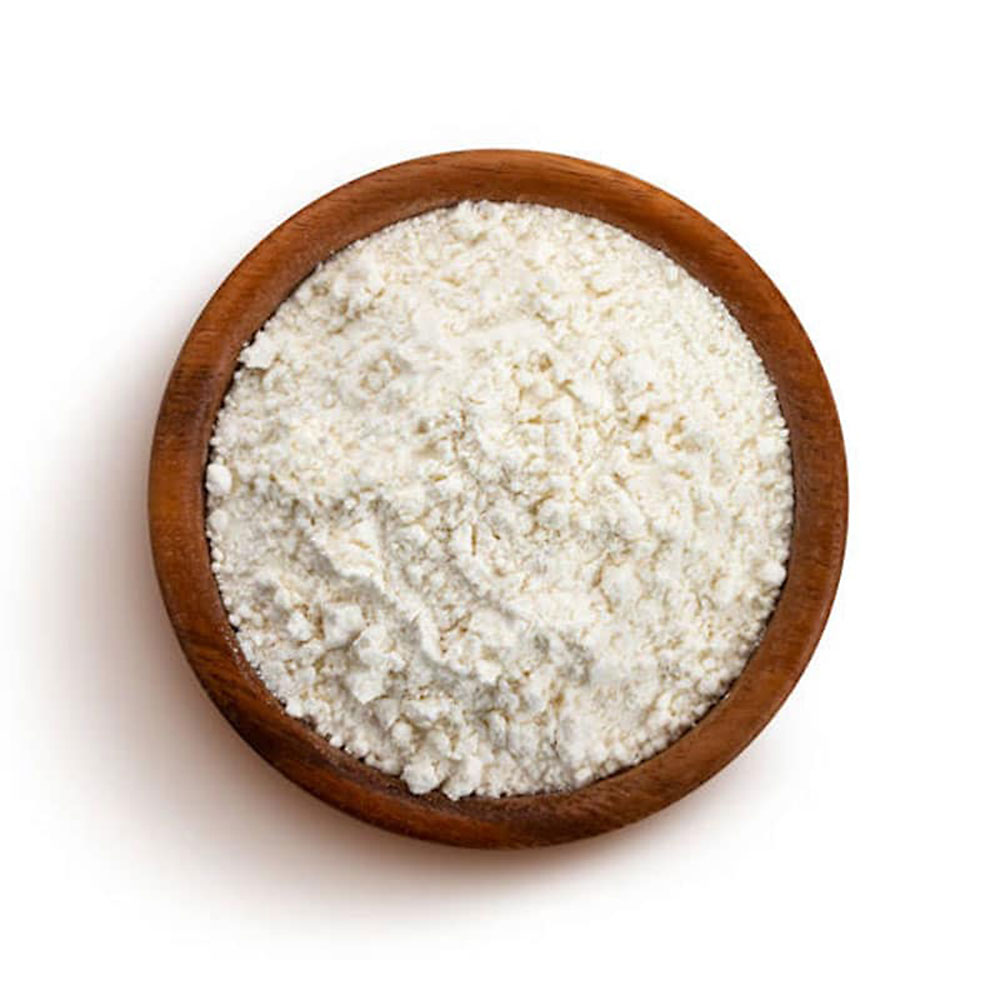
What is Xanthan Gum? Xanthan gum is a popular food additive that is commonly used as a thickener or stabilizer. It is created when sugar is fermented by a type of bacteria called Xanthomonas campestris and alcohol is added. It is then dried and turned into a powder. When xanthan gum powder is added to a liquid, it disperses quickly and creates a thick and stable solution. This makes it an excellent thickening, suspending and stabilizing agent for many products. It was discovered by scientists in 1963. Since then, it has been well researched and determined to be safe. As a result, the FDA has approved it as a food additive and has not placed restrictions on the amount of xanthan gum that a food can contain.
Food, Cooking, Pastry
Xanthan gum can improve the texture, consistency, flavor, shelf life, and appearance of many foods. It also stabilizes foods, helping some foods withstand different temperatures and pH levels. It also prevents foods from separating and allows them to flow smoothly from their containers. It is often used in gluten-free cooking, as it can provide the elasticity and fluffiness that gluten gives to traditional baked goods.
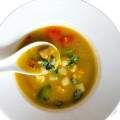
Some of the foods that contain xanthan gum are : Salad dressings, Bakery products, Fruit juices, Soups, Ice creams, Sauces, Syrups, Gluten-free products, Low-fat foods
Personal Care Products
Xanthan gum is also found in many personal care and beauty products. It allows these products to be thick, but still flow easily from their containers. It also allows solid particles to be suspended in liquids. The following are some common products that contain xanthan gum: Toothpaste, Creams, Lotions, Shampoos
How to use / Dosage Xanthan gum dissolves well in cold and hot water, in milk, as well as in salt and sugar solutions. Xanthan gum solution is resistant to enzymes, alcohols, acids (except hydrochloric acid), alkalis and high and low temperatures (up to 120C, up to -18C), good resistance to freezing and overheating.
Usage: 1-4 grams per liter of liquid (maximum 10 g/kg for some foods).
POTATO STARCH (NOT FLOUR) POWDER 500g Origin: Austria Potato starch (which is different from potato flour) can be used to replace cornstarch in more b..
DiatomPure® diatomaceous earth, rich in silica. Silica or silicon is one of the most important trace minerals in our bodies. In fact, the human body u..
MASTIHA POWDER FOR FOOD USE WITH INULIN 50g (from the Chios Mastic Producers Association) WHAT YOU NEED TO KNOW ABOUT XIOY MASTICHA POWDER General inf..
Organic wheatgrass powder Wheatgrass is a food made from the plant Triticum aestivum, the common soft wheat. It is considered an extremely powerful he..
BAMBOO FIBER FLOUR 200gr Flour rich in vegetable fiber from pure bamboo fiber, with a low carbohydrate content. The bamboo shoots from which the flour..
OIL SOAP WITH SNAIL EXCRUCIATION 100gr The substances contained in snail secretion help in the healing and reconstruction of the skin from scratches, ..
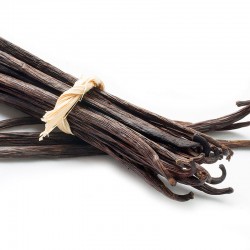
Vanilla Fructus Madagascar (Vanillae fructus, Vanilla Beans) Vanilla comes from the Vanilla planifolia plant, which is a climbing Orchid that grows ar..