







- Stock: In Stock
- Model: ΒΙΟ-191
Available Options
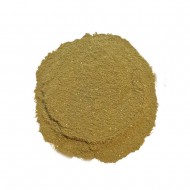
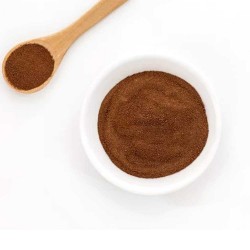
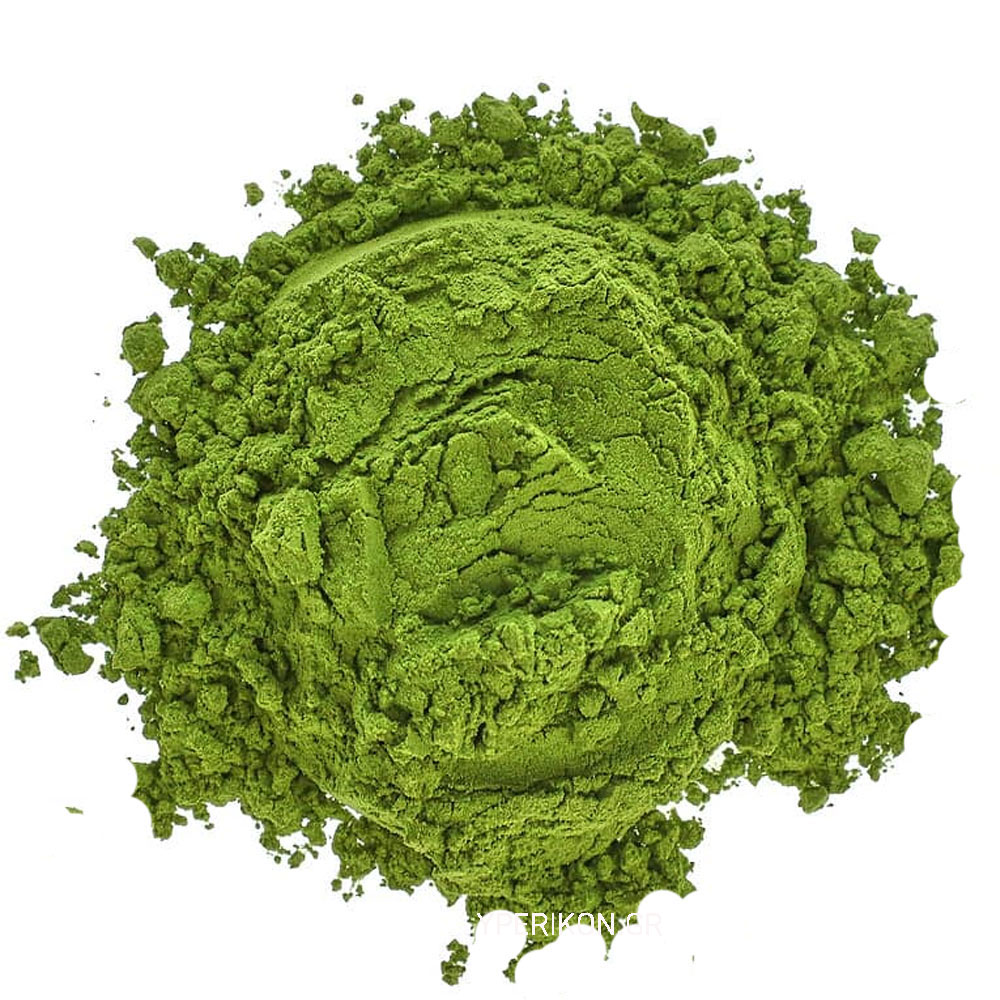
Organic wheatgrass powder
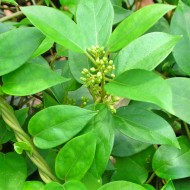
Wheatgrass is a food made from the plant Triticum aestivum, the common soft wheat. It is considered an extremely powerful health food with amazing benefits.
It is commonly consumed as a fresh juice, but it is also consumed in powder form. Health enthusiasts have long been excited about the countless benefits of this plant, and for good reason. It can be used as a daily health tonic and may even help treat certain diseases . While more research is needed to truly determine its effectiveness, researchers agree that wheatgrass has potential.
It is a superfood.
Wheatgrass is packed with a powerful combination of nutrients , making it extremely beneficial for your health. It has many therapeutic benefits and is known as a complete food. The extensive combination of vitamins and nutrients can make wheatgrass an excellent choice to improve your well-being. Wheatgrass has antioxidant, antibacterial, and anti-inflammatory properties.
Contains:
- iron
- calcium
- enzymes
- magnesium
- phytonutrients
- 17 amino acids
- vitamin A, C, E, K, and B complex
- proteins
- chlorophyll ( Chlorophyll is chemically similar to hemoglobin , a protein that is essential in red blood cells as it carries oxygen around a person's body. Researchers have suggested that wheatgrass, which is rich in chlorophyll, may be useful in treating hemoglobin deficiency disorders, such as anemia and thalassemia)
- It can eliminate toxins
The nutrients in wheatgrass help your body get rid of impurities and stored toxins. - It may aid digestion
Wheatgrass has high levels of enzymes that aid in digestion by helping your body break down food and absorb nutrients. - It can boost your metabolism & help you lose excess weight
Eating wheatgrass can boost your metabolism and aid in weight loss. It's a good choice if you're watching your weight because it's low in calories and fat-free. - It can lower your cholesterol
Wheatgrass is also known to lower cholesterol levels. - It can boost your immune system
Wheatgrass boosts your immune system function. This can help prevent infection and illness. Plus, you’ll likely feel better when your immunity is performing at optimal levels. - It can give you energy.
Your energy levels may be higher than usual from the food you eat. Once your body has cleared out the harmful substances, your energy can be directed towards performing daily tasks and exercising. You may feel refreshed and renewed. - May improve cognitive function
Wheatgrass can improve overall mental function and relieve stress. Its neuroprotective effects allow for better cognitive function and may help prevent and treat Alzheimer's disease. - It may help with diabetes
According to studies, wheatgrass has been shown to improve blood sugar levels (in rats) with type II diabetes. This is due, in part, to the fact that wheatgrass has compounds that have similar effects to insulin. It reduces the glycemic index of foods, which has a positive effect on blood sugar levels. - It may help with arthritis
Wheatgrass may have anti-inflammatory properties. This may help relieve some of the symptoms of arthritis, such as stiffness, pain, and swelling. It may lead to less discomfort and improved function. - It could help kill cancer cells
Thanks to its high antioxidant content, some test-tube studies have found that wheatgrass may help kill cancer cells. - Chlorophyll is chemically similar to hemoglobin, a protein that is essential in red blood cells as it carries oxygen around a person's body. Researchers have suggested that wheatgrass juice, which is rich in chlorophyll, may be useful in treating hemoglobin deficiency disorders, such as anemia and thalassemia.
Dosage – method of use
Dissolve one teaspoon of Wheatgrass powder (3 to 5 grams or so) in water or juice . When you first start taking wheatgrass, start with a small dose and gradually increase your intake to meet the recommended dose. This will help your body adjust to digesting wheatgrass.
Special precautions
Wheatgrass is generally considered safe for those with celiac disease or gluten sensitivity. This is because only the seeds of the wheat kernel contain gluten — not the germ. However, if you have a gluten sensitivity, it’s best to consult your doctor before consuming wheatgrass. Finally, some people report symptoms like nausea, headaches, or diarrhea after consuming wheatgrass in juice or supplement form. If you experience these or any other side effects, it’s best to reduce your intake. Drinking a cup of water after taking wheatgrass can help reduce your risk of potential detox side effects like nausea, headache, and upset stomach.
Organic farming product from the Netherlands / China
Indicative bibliography
- The Medical Use of Wheatgrass: Review of the Gap Between Basic and Clinical Applications
- Wheatgrass: Green Blood Can Help Fight Cancer
- Living life the natural way – Wheatgrass and Health
- Hypolipidemic effect of fresh Triticum aestivum (wheat) grass juice in hypercholesterolemic rats
- Antioxidant effect of Triticum aestivium (wheat grass) in high-fat diet-induced oxidative stress in rabbits
- Cytotoxic effects of commercial wheatgrass and fiber towards human acute promyelocytic leukemia cells (HL60)
- Neuroprotective effects of Triticum aestivum L. against beta-amyloid-induced cell death and memory impairment s
- Hypoglycaemic role of wheatgrass and its effect on carbohydrate metabolic enzymes in type II diabetic rats
- Antidiabetic and Antioxidant Properties of Triticum aestivum in Streptozotocin-Induced Diabetic Rats
- Chlorophyll revisited: anti-inflammatory activities of chlorophyll a and inhibition of expression of TNF-α gene by the same